
Breed-Specific Natural Grooming: Techniques to Coat Type and Climate
If you’ve ever struggled with your dog’s grooming routine, you’re not alone. Many dog owners wonder why a certain shampoo or brushing method works great for one dog but not another. The answer lies in two simple but critical factors: your dog’s specific coat type and the climate you live in.
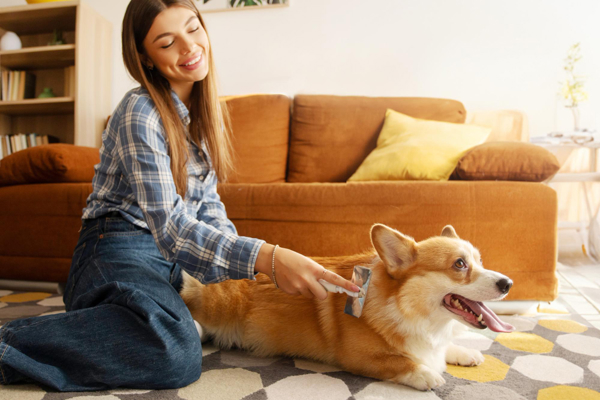
If you’ve ever struggled with your dog’s grooming routine, you’re not alone. Many dog owners wonder why a certain shampoo or brushing method works great for one dog but not another. The answer lies in two simple but critical factors: your dog’s specific coat type and the climate you live in.
Understanding Coat Type
Different dog breeds have unique grooming needs, and it’s crucial to identify your dog’s coat type to groom them effectively. Understanding these differences helps avoid common grooming mistakes that can lead to discomfort or health issues.
- Double-Coated Breeds: Dogs like Siberian Huskies, German Shepherds, and Golden Retrievers have thick double coats consisting of a soft, insulating undercoat and a coarser, protective outer coat. Regular brushing is essential, especially during heavy shedding seasons, but shaving is strongly discouraged as it can disrupt their natural temperature regulation and protection from the sun.
- Single-Coated Breeds: Breeds such as Poodles, Maltese, and Yorkshire Terriers have hair rather than fur. These dogs require consistent grooming, including brushing to avoid tangles and mats, and regular trims to maintain coat health. Daily brushing and coat-specific shampoos to prevent matting and irritation are recommended.
- Short-Coated Breeds: Dogs like Boxers, Beagles, and Greyhounds have smooth, short coats requiring minimal grooming. A weekly brushing to remove loose hairs and stimulate skin health is usually sufficient. Occasional baths with moisturizing shampoos help prevent dryness.
- Wire-Coated Breeds: Breeds such as Terriers and Schnauzers have coarse, wiry coats designed to protect them from harsh outdoor elements. Regular brushing and hand-stripping are essential to maintain their texture and prevent mats.
Climate Matters More Than You Think
Climate significantly impacts your dog’s grooming needs, influencing everything from bathing frequency to the type of products best suited for their skin and coat.
- Humid Climates: In humid regions, dogs are prone to skin issues and fungal infections. Regular checks and natural antifungal shampoos can help keep their skin healthy. Keeping your dog’s coat short—but not shaved—can help manage moisture buildup.
- Dry Climates: Dry, arid regions require a different grooming approach. Dogs in these climates benefit from moisturizing shampoos and conditioners with natural ingredients like oatmeal or aloe vera. Over-bathing can exacerbate dryness, so keep bath times moderate and use natural sprays to moisturize their skin between baths.
General Tips and Examples
Understanding breed-specific grooming needs is key to keeping your dog healthy and comfortable. Each breed type has unique grooming requirements tailored to its physical characteristics and lifestyle.
- Arctic and Northern Breeds (e.g., Alaskan Malamutes, Siberian Huskies): These breeds require frequent brushing, especially during seasonal shedding periods. Using natural shampoos that support coat health and reduce excessive shedding is beneficial. Avoid shaving to maintain their natural protection against harsh weather conditions.
- Long-Haired Breeds (e.g., Shih Tzus, Maltese, Afghan Hounds): Daily grooming sessions prevent tangles and mats. Routine trimming, typically monthly, is necessary to keep their coats manageable. Using natural detanglers and conditioners can enhance grooming sessions by reducing discomfort and breakage.
- Short-Coated Breeds (e.g., Dobermans, Labrador Retrievers, Dalmatians): Low-maintenance grooming with weekly brushing to remove loose hairs and occasional bathing with gentle products is adequate.
- Hypoallergenic Breeds (e.g., Poodles, Portuguese Water Dogs, Bichon Frises): These breeds need regular grooming sessions approximately every 4–6 weeks to manage their continuously growing hair. Daily brushing and occasional moisturizing treatments help keep their skin and coat healthy.
Providing breed-appropriate grooming tools, such as the correct brush type and safe grooming products, helps ensure effective, stress-free grooming experiences.
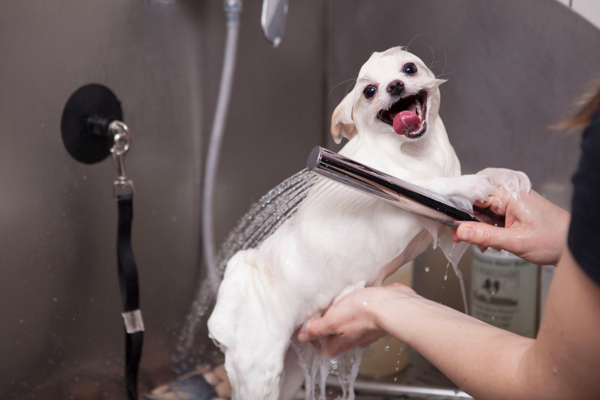
Grooming Do’s and Don’ts
Natural grooming emphasizes the importance of avoiding harsh chemicals and choosing gentle, eco-friendly products.
Do:
- Use gentle shampoos free of synthetic fragrances and harsh detergents.
- Brush regularly, adapting the frequency to your dog’s breed.
- Keep nails trimmed and ears clean naturally using gentle cleansers.
Don’t:
- Shave double-coated breeds; their coats provide necessary insulation.
- Bathe too frequently; this strips natural oils and damages skin.
- Use human shampoos or conditioners—they can irritate canine skin.
Final Thoughts
Effective grooming isn’t complicated once you understand your dog’s specific coat type and climate needs. Doing a bit of breed-specific research, staying consistent, and opting for natural grooming methods can significantly improve your dog’s coat health and overall comfort. When in doubt, consult with a veterinarian or professional groomer who specializes in natural grooming practices tailored to your specific breed.


 Fay Smith

