
Small Daily Habits That Improve a Dog’s Quality of Life
Dogs do not suddenly age in one day. The habits we build early can influence how they move, play, rest, and enjoy life later on. The good news is that improving a dog’s quality of life does not need major changes. Small steps often have the biggest impact.
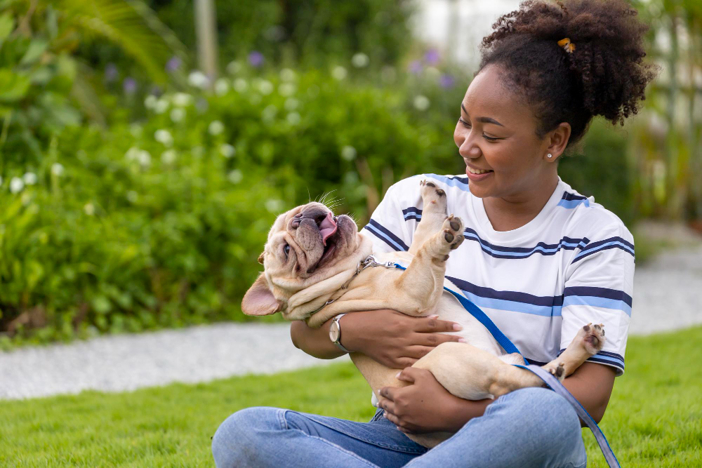
Life with a dog is often shaped by small daily routines. Filling the food bowl, going for a walk, tossing a toy across the yard, or spending quiet time together may feel simple, but these moments can help support a dog’s comfort, health, and happiness over time.
Dogs do not suddenly age in one day. The habits we build early can influence how they move, play, rest, and enjoy life later on.
The good news is that improving a dog’s quality of life does not need major changes. Small steps often have the biggest impact.
Help Your Dog Maintain a Healthy Weight
Keeping dogs at a healthy weight is one of the best things we can do for long-term well-being.
Extra weight can place added pressure on joints, affect movement, and make daily activities harder.
A healthy body condition often means dogs stay more active and comfortable as they grow older.
Signs to look for include:
-
A visible waist when viewed from above
-
Ribs that can be felt without pressing hard
-
Easy movement during walks and play
-
Consistent energy levels
Simple habits that help include:
-
Measuring meals instead of estimating portions
-
Limiting table scraps
-
Adjusting food as dogs age
-
Using smaller treats during training
Even small adjustments can make a difference over time.
Make Daily Exercise Part of Everyday Life
Exercise supports more than fitness. It helps with muscle strength, joint support, heart health, and mental stimulation.
The best part is that dogs do not always need long adventures. Regular movement matters more.
Easy exercise ideas
-
Morning walks before the day gets busy
-
Short play sessions in the backyard
-
Evening strolls after dinner
-
Indoor games during bad weather
-
Gentle walks for senior dogs
Breaking activity into smaller sessions can work well, especially for older pets:
-
Ten minutes in the morning
-
Fifteen minutes in the afternoon
-
A calm evening walk
This keeps dogs moving without putting too much strain on them.
Add Mental Enrichment Every Day
Physical activity is important, but dogs also need mental stimulation. Simple activities help reduce boredom and keep their minds active.
Try adding:
Puzzle feeders
Turn mealtime into an activity by using slow feeders or treat puzzles.
Scent games
Hide treats around the house and let the dogs search for them.
Toy rotation
Putting toys away for a few days can make them feel interesting again.
Mental activities are especially helpful on rainy days when outdoor time is limited.
Plan Dog-Friendly Outings With Less Stress
Many families enjoy taking their dogs on short trips, park visits, or outdoor activities. Planning ahead can make these outings easier and more enjoyable for everyone.
When planning a dog-friendly outing, it helps to think through the small details before leaving home. This includes choosing quieter walking routes, packing water, checking pet-friendly stops, and sorting out arrival plans so the day does not feel rushed.
A calmer schedule often creates a better experience for dogs as well, especially those who are sensitive to busy environments or changes in routine.
Support Joint Health Early
Joint care should not start only when dogs slow down. Building good habits early helps support mobility later.
Helpful steps include:
-
Keeping dogs at a healthy weight
-
Avoiding repeated jumping from high furniture
-
Providing soft places to rest
-
Using ramps if needed
-
Keeping nails trimmed
Long nails can affect the way dogs walk and place extra pressure on joints. A quick nail check every week can help prevent discomfort.
Keep Dental Care Simple and Consistent
Dental health affects comfort, eating habits, and overall well-being.
Many dogs continue eating even when they have dental problems, so issues can be easy to miss.
Simple habits include:
-
Brushing teeth regularly with dog-safe toothpaste
-
Offering dental chews
-
Checking gums during grooming
-
Watching for changes while eating
Signs worth paying attention to:
-
Bad breath
-
Extra drooling
-
Avoiding crunchy treats
-
Red gums
-
Dropping food
Small routines at home can help support better oral health.
Create a Comfortable Rest Area
Dogs spend a large part of the day resting, so their sleeping space matters. Comfortable areas help support recovery and relaxation.
Consider adding:
-
Supportive beds for senior dogs
-
Soft blankets
-
Non-slip mats nearby
-
Easy access to resting spots
A comfortable place to rest can improve everyday comfort. Older dogs may especially benefit from extra cushioning.
Encourage Healthy Hydration
Fresh water supports digestion, circulation, energy, and temperature control.
Simple ways to help include:
-
Refreshing water bowls often
-
Keeping bowls in several areas
-
Bringing water during longer outings
-
Watching for changes in drinking habits
Hydration may seem small, but it plays an important role in daily health.
Stay Consistent With Wellness Visits
Dogs age faster than people, so small health issues can develop quickly.
Routine visits may help monitor:
-
Weight changes
-
Joint health
-
Dental condition
-
Organ function
-
Heart health
-
Age-related concerns
Senior dogs may benefit from more frequent visits.
Small Habits Add Up Over Time
A better quality of life does not come from one big decision, but from daily routines repeated with care. A measured meal, mental games, comfort, and time together: these simple habits help dogs stay active, comfortable, and happy through every stage of life.
The goal is not only more years together. It is making those years feel healthier, calmer, and full of good moments.


 Mohsin Khan

