
Why Consistency Matters More Than Commands in Dog Training
So, whether you are training a puppy or bringing home an older rescue dog, consistency in messaging helps reduce confusion, build trust, and create a sense of safety. Over time, dogs learn faster, behave more reliably, and develop a stronger bond with their owners.
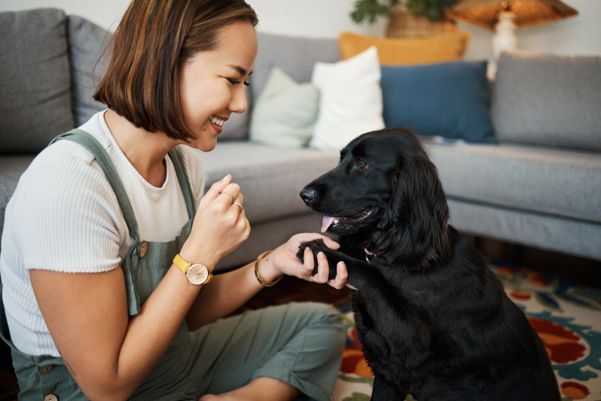
Have you ever tried to have a conversation with someone who doesn’t speak your language? Things can get confusing pretty quickly. Communication between humans and dogs can feel a lot like that, too.
I mean, come on, dogs sniff each other’s butts to get acquainted. However, they are highly visual animals and are pretty smart when it comes to paying attention to our body language, routines, tone of voice, and outcomes far more than words alone.
So, whether you are training a puppy or bringing home an older rescue dog, consistency in messaging helps reduce confusion, build trust, and create a sense of safety. Over time, dogs learn faster, behave more reliably, and develop a stronger bond with their owners.
How Dogs Learn Best: Clear, Repeatable Expectations
Dogs learn through consistency, predictability, repetition, and routine. When expectations stay the same, dogs become calmer, more confident, and easier to manage in everyday life.
Over time, those habits carry into daily situations, whether that means calmer walks, better behavior around guests, or less stress in busy environments.
Patterns and Repetition
Dogs tend to repeat behaviors that lead to positive outcomes, especially when rewards and expectations remain consistent.
Through patience, repetition, and positive reinforcement, dogs can learn the same repeatable action. This can help with basic commands and redirecting behavior.
Not All Dogs Learn the Same Way
Just like humans, not all dogs learn the same way or at the same pace. Training can be influenced by:
● breed
● personality
● energy level
● early life experiences
Some dogs are eager to please, while others may be anxious, stubborn, excitable, or easily distracted. Rescue dogs often need extra patience and consistency, especially if they came from unstable environments.
Dogs exposed to different people, sounds, and environments early in life often grow into calmer and more confident adults. You can even see this in highly trained working dogs.
Many military and police K9 dogs, often breeds such as German Shepherds or Belgian Malinois, begin structured training at a very young age. Their reliability comes from repetition, consistency, and clear expectations over time.

Positive Reinforcement Builds Better Habits
Positive reinforcement means rewarding behaviors you want to see more often. Dogs naturally repeat behaviors that lead to positive outcomes, whether that reward is praise, treats, affection, playtime, or going outside for a walk.
For example, if a dog sits calmly before going outside and immediately receives praise or the door opens, the dog begins learning that calm behavior leads to something positive.
You can reinforce behaviors like:
● walking calmly on a leash
● staying quiet when guests arrive
● waiting patiently for meals
● coming when called
Why Timing Matters with Positive Reinforcement
Dogs learn through immediate consequences, not delayed explanations. If praise or correction comes too late, the dog may not connect it to the behavior that just happened.
That is why many trainers use short marker words like “yes” or “good” the exact moment a dog performs the correct behavior. The faster the connection is made, the faster the dog learns.
Why Yelling Usually Backfires
One of the biggest mistakes dog owners make is continuously repeating commands or yelling when a dog becomes overstimulated.
Instead, a calm, consistent approach (tone vs. volume) usually communicates much better than frustration or shouting.
Mixed Signals Create Confusion
Dogs also become confused when the rules constantly change. A dog allowed on the couch one day, but yelled at for it the next, isn’t being stubborn. The dog is simply trying to understand the rules.
Training Never Really Stops
Dogs are learning from us all day long through routines, reactions, and repeated behaviors. Waiting calmly before meals, walking politely on a leash, or settling down after guests arrive are all shaped through small everyday moments.
Dogs may not understand every word we say, but they do understand consistency, routines, and trust. So keep practicing, stay patient, and don’t forget to have fun with your fuzzy best friend, too, especially during walks or at your favorite dog park.


 Muhammad Saad

