
Seasonal Dog Care: A Guide to Health Across the Year
A dog’s health is influenced by more than just diet and exercise; the changing seasons play a critical role in their well-being. Understanding these environmental shifts allows owners, breeders, and trainers to provide proactive care, prevent common health issues, and ensure their dogs thrive all year long.
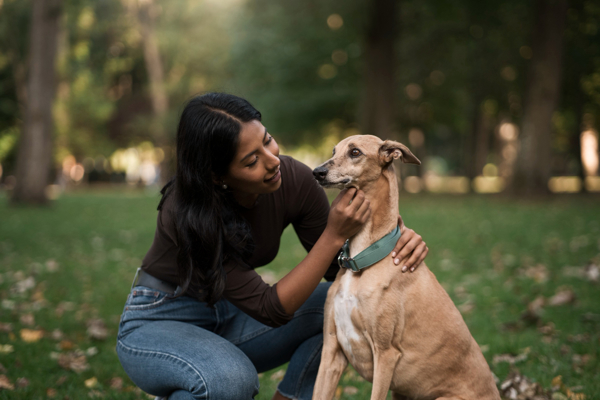
A dog’s health is influenced by more than just diet and exercise; the changing seasons play a critical role in their well-being. From the intense heat of summer to the bitter cold of winter, each season presents unique challenges for our canine companions. Understanding these environmental shifts allows owners, breeders, and trainers to provide proactive care, prevent common health issues, and ensure their dogs thrive all year long. This guide offers a comprehensive look at how to navigate the risks and responsibilities that come with each season, helping you keep your dog safe, healthy, and comfortable no matter the weather.
How Can You Keep Your Dog Safe in the Summer?
Summer brings long, sunny days perfect for outdoor activities, but the heat can pose significant dangers to dogs. Unlike humans, dogs primarily cool themselves through panting, which is less effective in high heat and humidity. This makes them highly susceptible to overheating and related health emergencies.
Key Summer Risks:
Heat stroke: This is a life-threatening condition that occurs when a dog's body temperature rises to dangerous levels. Heat stroke symptoms include excessive panting, drooling, lethargy, vomiting, and collapse. Brachycephalic (flat-faced) breeds like Pugs and Bulldogs, as well as senior dogs and those with thick coats, are at an even higher risk. Never leave a dog in a parked car, as temperatures can become deadly within minutes.
Dehydration: Dogs lose fluids quickly in the heat. Without adequate water intake, they can become dehydrated, leading to organ damage. Always provide access to fresh, cool water, especially during and after exercise.
Paw Pad Burns: Pavement, asphalt, and even sand can reach scorching temperatures, causing painful burns on a dog’s paw pads. A good rule of thumb is to test the surface with the back of your hand; if it’s too hot for you to hold for five seconds, it’s too hot for your dog's paws.
Preventive Care Strategies:
- Limit Exercise: On hot days, restrict strenuous activity to the cooler early morning or late evening hours.
- Provide Shade and Water: Ensure your dog has a shady, cool place to rest and constant access to fresh water.
- Protect Their Paws: Walk on grassy or shaded paths. Consider using dog booties or paw wax for added protection on necessary walks across hot surfaces.
- Recognize the Signs: Learn the symptoms of heatstroke and dehydration. If you suspect your dog is overheating, move them to a cool area, offer water, and apply cool (not ice-cold) water to their body. Contact a veterinarian immediately, as this is a medical emergency.
What Are the Primary Concerns for Dogs in Winter?
Winter’s cold, ice, and snow introduce a different set of hazards. While some breeds are built for cold weather, all dogs are vulnerable to the dangers of frigid temperatures.
Key Winter Risks:
Hypothermia and Frostbite: Prolonged exposure to cold can lead to a dangerous drop in body temperature (hypothermia) or freezing of body tissue (frostbite), which most commonly affects the ears, tail, and paws. Shivering, lethargy, and pale gums are early signs of hypothermia.
Dry, Itchy Skin: Cold air, both outdoors and from indoor heating, can strip moisture from a dog’s skin and coat, leading to dryness, flakiness, and discomfort.
Joint Stiffness: Cold weather can aggravate conditions like arthritis, making movement painful for senior dogs or those with joint issues.
Chemical Hazards: Ice melts, antifreeze, and other winter chemicals are toxic to dogs. Antifreeze is particularly dangerous due to its sweet taste.
Care Strategies for the Colder Months:
- Limit Time Outdoors: Pay attention to weather advisories. On extremely cold days, keep walks short and monitor your dog for signs of discomfort.
- Provide Warmth: A well-fitting coat or sweater can offer significant protection, especially for short-haired breeds, smaller dogs, and seniors. Ensure bedding is warm, dry, and away from drafts.
- Paw Care: After walks, wipe your dog’s paws to remove ice melt, salt, and other chemicals. Check for cracks or redness, and consider using a pet-safe paw balm to prevent drying.
- Maintain Activity Indoors: Engage your dog with indoor games, training sessions, and puzzle toys to keep them mentally and physically stimulated when outdoor play isn't an option.
How Should You Prepare Your Dog for Spring?
As the world thaws and blooms, spring ushers in a new set of health considerations, primarily related to allergies and parasites.
Key Spring Concerns:
Seasonal Allergies: Just like people, dogs can suffer from allergies to pollen, mold, and dust mites. Symptoms often manifest as skin issues, such as excessive scratching, licking of paws, and recurrent ear infections.
Increased Parasite Activity: Fleas, ticks, and mosquitoes become more active as temperatures rise. These pests are not only a nuisance but can also transmit serious diseases like Lyme disease, ehrlichiosis, and heartworm.
Grooming Needs: After a long winter, many dogs require extra grooming to remove their heavy undercoat and prepare for warmer weather. This helps prevent matting and improves air circulation to the skin.
Spring Care Checklist:
- Consult Your Veterinarian: If you suspect allergies, your vet can recommend diagnostics and treatments, which may include special shampoos, dietary changes, or medication.
- Year-Round Parasite Prevention: Ensure your dog is on a consistent, veterinarian-recommended flea, tick, and heartworm preventive. Begin or resume treatment before parasite season is in full swing.
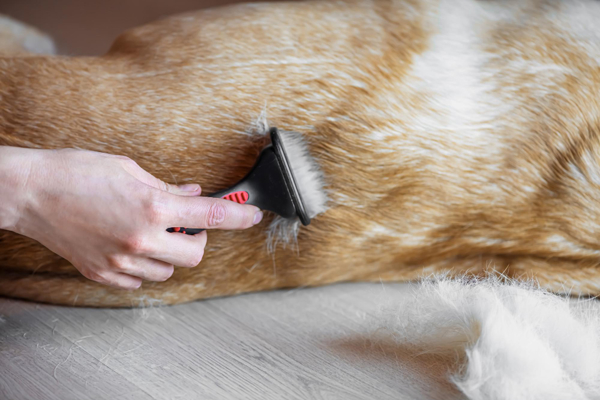
- Grooming: Schedule a grooming session to de-shed your dog’s winter coat. Regular brushing at home is also essential to manage shedding and maintain skin health.
What Care Does Your Dog Need in the Fall?
Autumn is a transitional season, and a dog’s body often prepares for the coming winter. This period requires attention to their coat, continued parasite vigilance, and awareness of seasonal-specific hazards.
Key Fall Concerns:
Coat Changes and Shedding: As daylight hours shorten, many dogs shed their lighter summer coat and grow a thicker undercoat for winter insulation. This can lead to increased shedding.
Persistent Parasites: Ticks, in particular, can remain active in cooler weather, often until the first hard frost. It is a mistake to stop parasite prevention too early.
Holiday and Seasonal Hazards: Fall brings holidays like Halloween and Thanksgiving, which can present risks from toxic foods (chocolate, xylitol), decorations, and increased household stress.
Fall Care Essentials:
- Increase Brushing: Regular brushing helps remove loose hair, prevents matting, and distributes natural skin oils to keep the new coat healthy.
- Continue Parasite Control: Follow your veterinarian’s guidance on how long to continue flea and tick prevention based on your regional climate.
- Monitor Diet: As activity levels may decrease with colder weather, adjust your dog’s caloric intake to prevent weight gain.
What Year-Round Habits Are Essential for Canine Health?
While seasonal care is crucial, a foundation of consistent, year-round habits is the cornerstone of a dog’s long-term health. Feed a high-quality, balanced diet appropriate for your dog’s age, breed, and activity level. Nutritional needs may shift slightly with seasonal changes in exercise. Regular grooming, including brushing, bathing, and nail trims, is essential for every season. It helps maintain a healthy coat and skin and allows you to check for lumps, parasites, or skin issues. Annual or semi-annual check-ups with your veterinarian are vital for preventive care, vaccinations, and early detection of health problems. These visits are also the perfect time to discuss season-specific concerns.
FAQs About Seasonal Dog Care
- How do I know if my dog is too cold?
Look for signs like shivering, anxiety, whining, reluctance to move, or holding up a paw. If you see these behaviors, it’s time to go inside. - Can I shave my double-coated dog in the summer?
It is generally not recommended. A dog's double coat acts as insulation against both heat and cold. Shaving it can interfere with their natural ability to regulate body temperature and increase the risk of sunburn. - What are the signs of seasonal allergies in dogs?
Common signs include itchy skin (especially on the paws, belly, and ears), chronic ear infections, obsessive licking, and skin redness or rashes. - How can I protect my dog from ticks?
Use a veterinarian-recommended tick preventive year-round. After walks in wooded or grassy areas, perform a thorough body check, paying close attention to the areas in and around the ears, between the toes, and under the collar. - Are pet-safe ice melts truly safe?
While "pet-safe" products are less toxic than traditional salt-based melts, they can still cause stomach upset if ingested in large quantities and may irritate paws. It's always best to wipe your dog's paws after every walk.
Conclusion: Proactive Care for Every Season
Adapting your dog’s care routine to the changing seasons is a fundamental part of responsible ownership. By understanding the specific risks each season brings and implementing proactive strategies, you can prevent discomfort, injury, and illness. Consistent, year-round attention to nutrition, grooming, and veterinary care builds a strong foundation for health, allowing you to focus on enjoying every moment with your canine companion, no matter the weather.


 Muhammad Saad

