
Heat Stroke in Dogs: How to Keep Your Furry Friend Safe This Summer
Summer is the perfect time for outdoor adventures and family fun, but for our canine companions, it can pose serious risks. Dogs are especially vulnerable to extreme heat, and prolonged exposure to high temperatures can lead to heatstroke, an alarming and potentially life-threatening condition. In this blog, we cover everything from causes and symptoms to preventive measures to keep your canine companion safe and comfortable from heat exhaustion. We’ve also included a step-by-step first aid guide to equip you with the knowledge to help your dog in their moment of distress.
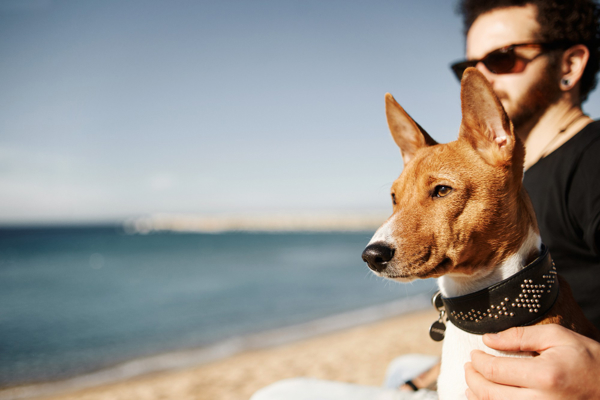
Summer is the perfect time for outdoor adventures and family fun, but for our canine companions, it can pose serious risks. Dogs are especially vulnerable to extreme heat, and prolonged exposure to high temperatures can lead to heatstroke, an alarming and potentially life-threatening condition. In this blog, we cover everything from causes and symptoms to preventive measures to keep your canine companion safe and comfortable from heat exhaustion. We’ve also included a step-by-step first aid guide to equip you with the knowledge to help your dog in their moment of distress.
What is Heatstroke in Dogs?
Heatstroke, or hyperthermia, is a severe condition in which a dog’s body temperature rises abnormally high due to continuous exposure to heat. Typically, the normal temperature of dogs ranges between 100.0 and 102.5°F (37.7 and 39.2°C). However, if their body exceeds the temperature of 104°F (40°C) without any signs of illness, this state is often referred to as heatstroke. This critical temperature adversely impacts their central nervous system, leading to disorientation, seizures, multiple organ failure, or even death. Heatstroke is common in the summer months, but it can occur at any time of the year. Thus, it’s crucial to be prepared for the summers and understand the relevant causes and symptoms.
Common Causes of Heatstroke
Heatstroke is generally associated with the hottest times of the year, especially during humid conditions. High temperature and lack of shade or ventilation to inadequate access to water and exercise in extreme heat, are the most common reasons for heatstroke. Furthermore, being confined in spaces like cars, exercise pens, or crates also puts them at high risk. Moreover, a fever-causing infection of any sort may lead to hyperthermia if the temperature is not controlled. Muscle spasms or seizures cause hyper-muscular activity, leading to increased body temperature. Other than these, there are a number of factors that can contribute to heatstroke in dogs. Take a look at some of the common ones:
Breed: All dogs can experience heatstroke but certain breeds are prone to this condition. It includes longhaired or brachycephalic breed dogs with short, flat faces and short muzzles, such as pugs, bulldogs, and boxers.
Age: A dog’s age also plays a crucial role in their susceptibility to heatstroke. Very young puppies with still-developing systems have difficulty regulating body temperatures. Similarly, for old dogs with underlying heart or respiratory issues, it’s harder to cool down when experiencing excess heat.
Weight: Overweight or obese dogs are also at high risk of heatstroke, as the excess fat makes it harder to release heat.
Health issues: Medical issues such as hypothyroidism, cardiac disease, and laryngeal paralysis also contribute to heatstroke in dogs.
Sudden change in climate: A sudden change in weather can cause heat stress and may lead to heatstroke.
Common Symptoms of Heatstroke
Here are the common symptoms to help you identify heatstroke in dogs:
Early signs:
- High body temperature
- Excessive panting or difficulty breathing
- Restlessness or agitation
- Drooling with thick saliva
- Drowsy or disoriented
As the condition worsens, they may exhibit:
- A rapid heart rate
- Drop in blood pressure
- Lethargy or collapse
- Noticeable change in gum color
- Bruising in the gums
- Seizures
- Unconsciousness
If you notice some or all of the symptoms mentioned above, immediately consult your vet.
Understand the Diagnosis and Treatment
Hyperthermia or Heatstroke is a medical emergency that requires prompt action directed toward lowering the body temperature. As a first aid, you can take the following steps:
- Move them to a shaded, well-ventilated, and cool area.
- Pour cool (not cold) water over the dog. Also, don’t immerse them in cold water.
- Avoid pouring water near their head.
- You can place wet towels under them but not over them, as it will trap the heat.
- Give them small amounts of cool water to drink.
- Continue to pour cool water until the breathing appears normal.
- Once the temperature has lowered, take them to the vet as a matter of emergency.
Valuable Tips to Prevent Heatstroke in Dogs
Here are some practical measures you can take to protect your dog from the heat and prevent heatstroke:
- When outdoors, always ensure your dog has access to drinking water and shade.
- Plan your outdoor walks and avoid the hottest hours of the day.
- Never leave them unattended in confined spaces such as cars, exercise pens, or crates.
- Avoid exercise during the hottest hours of the day.
- You can also apply sunscreen on your dog to protect them against sun damage.
- Don’t leave them inside hot, closed homes or garages.
- Avoid walking your dog on hot surfaces such as hot sand or concrete.
- Take special care if you have a breed prone to heatstroke.
Final Thoughts: Keeping Your Dog Safe in the Heat
Heatstroke in dogs is a serious condition that can escalate rapidly, but with awareness and proactive care, it can be prevented. In this informative blog, we have covered everything you need to know about this condition. Practice the preventive tips shared and ensure your furry friend stays safe and comfortable all summer long!


 Muhammad Saad

