
Creative Indoor Enrichment Ideas for Energetic Dogs
Dogs with high energy levels often struggle when confined indoors. Without enough stimulation, they might become restless or destructive. These indoor strategies help prevent boredom, encourage problem-solving, and keep your pet calm and happy, even on rainy days or during recovery from surgery.
Dogs with high energy levels often struggle when confined indoors. Without enough stimulation, they might become restless or destructive. Physical activity is important, but mental work matters too. You need to challenge your dog’s brain as much as their body. That's where enrichment ideas for energetic dogs become essential. These indoor strategies help prevent boredom, encourage problem-solving, and keep your pet calm and happy, even on rainy days or during recovery from surgery. Below are specific methods you can try at home using basic supplies or items you already have.
Build a DIY Snuffle Mat for Nose Work Fun
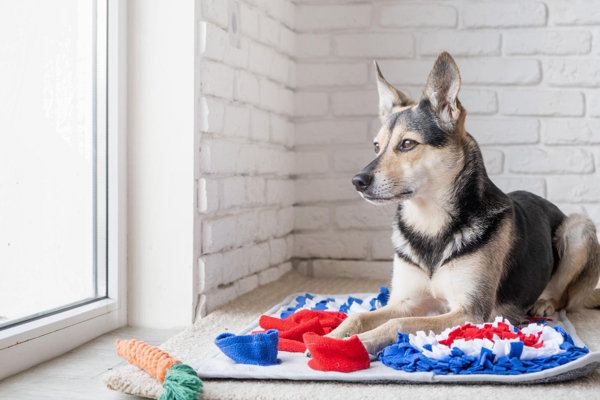
Snuffle mats are excellent tools to encourage natural sniffing instincts. They help dogs work for their food while staying mentally engaged. You can make one with fleece strips tied onto a rubber mat. This encourages your dog to sniff and search for food between the layers!
Dogs with strong scenting drives, such as Beagles, Bloodhounds, and German Shepherds, especially benefit from this kind of work. It mimics foraging and turns mealtime into a focused task. Use dry food or treats and supervise to prevent chewing on the fabric. If you're short on time, pre-made options are available through trusted brands, but making one yourself costs less and allows you to customize it!
Rotate Puzzle Toys to Keep Things Fresh
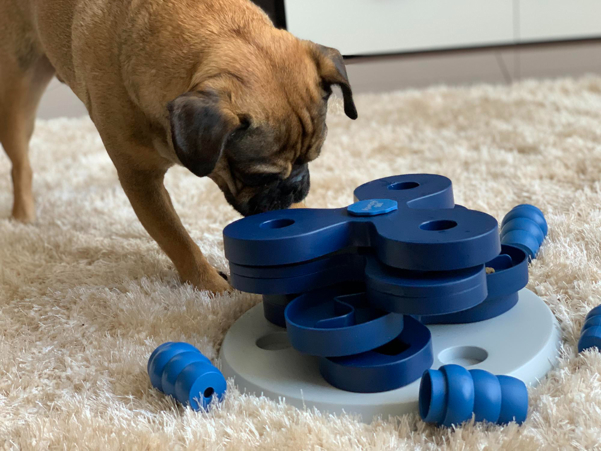
Puzzle toys keep dogs busy while working on their problem-solving skills. Most involve releasing food or treats once your dog figures out the correct movement or action. There are simple sliding puzzles, treat balls that roll unpredictably, or multi-step options for advanced learners.
The key is rotation; don’t leave all toys out at once and swap them out every few days to keep them interesting. Dogs quickly lose interest if they master the toy and see no challenge. Rotation makes each return to the toy feel new again. Brands like Nina Ottosson and Outward Hound offer well-reviewed designs, but you can also make your own using plastic containers or cardboard with hidden compartments.
Create a Mini Indoor Obstacle Course
Setting up a small agility course inside keeps your dog physically active while reinforcing basic commands. Use cushions, furniture, broomsticks, and open boxes to form barriers or tunnels. Guide your dog with verbal cues or treats through a pattern of things to jump over, crawl under, and weave between.
This setup improves obedience and burns energy. It also encourages teamwork between you and your dog. Adjust the course daily to keep it unpredictable. Always keep safety in mind and use non-slip surfaces. Training in short bursts helps avoid overstimulation. You can even include tricks between stations, like spinning, backing up, or touching a target.
Moving Tip: Use Play to Ease Relocation Stress
Relocating can unsettle even the most confident dogs. New environments mean new smells, sounds, and routines. To help your dog adjust faster, bring familiar enrichment tools during the move, such as their snuffle mat, puzzle toys, or their favorite frozen treat toy. Also, before settling into your new space, make sure to pet-proof your new home. Movers might leave doors open, and unpacked boxes could contain dangerous items. A professional moving company with experience in pet safety can help organize logistics so you can focus on creating a calm setup for your dog from day one.
Try These Enrichment Ideas For Energetic Dogs
Try freezing peanut butter or canned food inside a Kong. It takes longer to finish and keeps dogs busy. Another method is scattering kibble across a towel and rolling it up tightly. Let your dog unroll the towel to reach the food, promoting scent work and patience.
Some dogs enjoy solving tasks with everyday items. Place tennis balls over treats in a muffin tin. Or poke holes in a plastic bottle filled with food so it dispenses when rolled a certain way. These enrichment ideas for energetic dogs stimulate the mind and give your dog a job. Dogs thrive when they have a task, even indoors. These methods are low-cost, easy to prepare, and help reduce unwanted behavior caused by boredom.
Use Technology to Stay Engaged Remotely
Interactive devices allow you to connect with your dog even when you're away. Treat-dispensing cameras like Petcube or Furbo let you see, speak to, and reward your pet. These tools offer both comfort and stimulation, especially for dogs that suffer from separation anxiety.
Some automatic toys toss treats or balls based on movement or timers. You can also use voice recording buttons to reinforce commands or create routines. These gadgets require a proper introduction. Start with short sessions while you're nearby to build confidence. Gradually increase time apart once your dog feels comfortable using the device alone.
Encourage Calm with Canine Music and Scent Games
Calm energy starts with a peaceful environment. Classical music designed for dogs can help reduce anxiety and overstimulation. For instance, Spotify offers dog-specific playlists tested for relaxation.
Scent trails indoors can serve both as a mental challenge and a calming activity. Drag a treat around a room and hide it. Let your dog find it using scent alone. This keeps their nose engaged and builds confidence. Dogs that chew excessively can benefit from calming chews, provided they are vet-approved. Combine these activities during thunderstorms or busy family days to give your pet a positive outlet.
Conclusions
Keeping a high-energy dog indoors doesn’t have to lead to chaos. The right activities turn boredom into calm engagement. These ideas aren’t complicated or expensive, but they offer great returns in your dog’s behavior and well-being. Using enrichment ideas for energetic dogs, you provide purpose and structure, two things every dog needs. Choose a few strategies that suit your space, rotate them often, and watch your dog’s indoor time turn into something productive and positive.


 Fay Smith

