
Healthy vs. Harmful Dog Treats: Which Human Foods Are Actually Safe?
Not all human foods are safe for dogs. Discover which fruits and snacks are healthy treats and which ones can be life-threatening before it's too late.
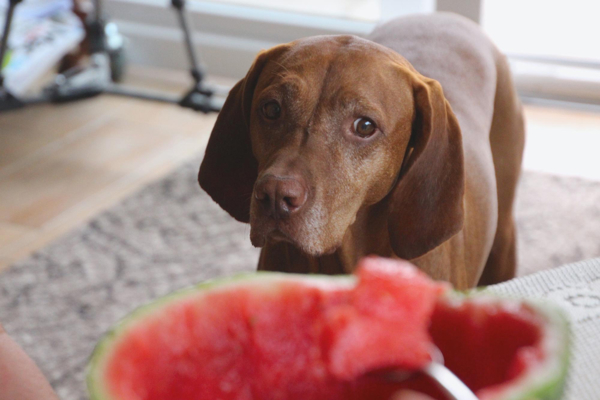
So let's talk about what's actually safe to share with your dog, what's genuinely dangerous, and what sits somewhere in between, because every dog owner deserves to know this before a grape hits the floor.
Why Dogs React Differently to Human Food
It's easy to assume that if something is safe for us, it's safe for them too. But a dog's body processes food completely differently. Their digestive tract is shorter, their enzyme levels differ, and their body weight means even a small amount of something toxic can cause serious harm. What barely affects us can send them straight to the vet.
For example, theobromine, the compound found in chocolate, is processed slowly by dogs. It builds up in their system and can cause seizures or even heart failure. We metabolize it just fine. They don't. This is why dog owners need to be especially careful, not just cautious.
Human Foods That Are Safe (and Even Good) for Dogs
Good news first, there are plenty of wholesome human foods your dog can enjoy as an occasional treat:
Fruits
Fruits can be a refreshing, low-calorie treat for dogs. If you're wondering what fruit dogs can eat, the list is longer than most people expect.
-
Blueberries: Packed with antioxidants and vitamins C and K, blueberries make a great training treat. Just learn from my mistake: a small handful is plenty. Too many at once, and you'll be dealing with an upset stomach.
-
Strawberries: Rich in fiber and vitamin C, strawberries are a sweet treat dogs tend to love. Remove the leaves and cut them into small pieces before serving.
-
Blackberries: Low in calories and high in fiber, blackberries are another berry dogs can enjoy safely. They also contain omega-3 fatty acids, which are great for coat health.
-
Goji Berries: A newer addition to many health-conscious households. The good news is that goji berries are generally safe for dogs in small quantities, always unsweetened and in their natural form.
One thing to keep in mind with all fruits: natural sugar content adds up. Treats should stay small: think one or two pieces, not a whole bowl.
Other Safe Foods
-
Carrots: Crunchy, low-calorie, and great for dental health. Many dogs genuinely love them raw.
-
Plain boiled chicken: Easy on the stomach and a great protein source, especially if your dog isn't feeling well.
-
Plain pumpkin: Not pumpkin pie filling, just plain cooked or canned pumpkin. Excellent for digestion.
-
Watermelon: Hydrating and refreshing. Just remove the seeds and rind first.
Foods That Can Seriously Harm Your Dog
This is where it gets serious and personal. Some foods aren't just "not ideal," they're genuinely life-threatening:
-
Grapes and raisins: I lived this one firsthand. Even a single grape can trigger kidney failure in some dogs. The terrifying part is there's no established "safe" amount for it. If your dog eats even one, call your vet immediately. Don't wait to see symptoms.
-
Chocolate: Dark chocolate is the most dangerous, but all chocolate contains theobromine, which dogs cannot safely process. Symptoms range from vomiting and diarrhea to seizures.
-
Onions and garlic: Both destroy red blood cells in dogs, leading to anemia. This includes powdered and cooked forms, not just raw. A lot of prepared human foods contain onion or garlic, so always check the ingredients.
-
Xylitol: This artificial sweetener is found in sugar-free gum, some peanut butters, candy, and baked goods. It causes a rapid insulin release in dogs that can lead to hypoglycemia and liver failure. Always check the food label!
-
Macadamia nuts: These cause weakness, tremors, fever, and vomiting. Even a small amount can trigger symptoms within 12 hours.
-
Avocado: Contains a toxin called Persin that can cause vomiting and diarrhea. The pit also poses a serious choking hazard.
What about baked goods containing dog-safe ingredients? For example, while blueberries themselves are safe, the added sugar, butter, and flour in muffins make them a poor choice. Always think about the whole food, not just the headline ingredient.
The "It Depends" Category
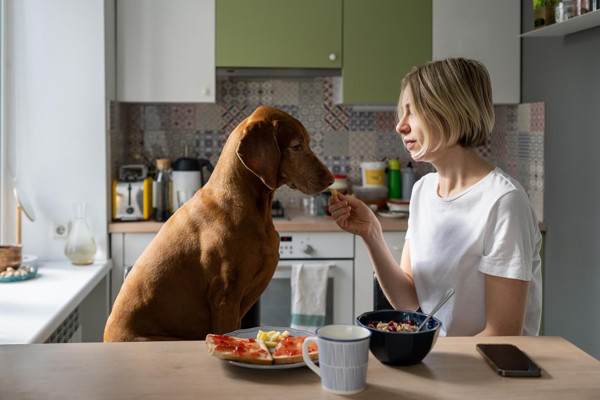
Some foods aren't clearly safe or clearly dangerous; they fall somewhere in the middle:
-
Peanut butter: Most dogs go crazy for it, and it's fine in small amounts. But always check the label. Any peanut butter containing xylitol is dangerous. Stick to plain, unsalted versions.
-
Dairy: Most dogs are somewhat lactose intolerant. A small piece of plain cheese probably won't hurt, but large amounts of milk or cream can cause stomach upset.
-
Eggs: Cooked eggs are generally fine and a solid protein source. Raw eggs carry a small risk of salmonella and can interfere with biotin absorption over time.
How to Safely Introduce Any New Food
After consulting a vet and thorough research, you can try adding anything new to your dog's diet. It takes five minutes and can save you from an avoidable trip to the clinic.
Here's a simple approach:
Start small: offer just a tiny piece the first time
Wait 24 to 48 hours and watch for any reactions: vomiting, diarrhea, itching, or unusual lethargy
If all looks good, you can offer it again in slightly larger amounts
When in doubt, call your vet, especially if your dog has any existing health conditions
The Bottom Line
Sharing food with your dog is one of those small joys that come with pet ownership. And you don't have to say no every single time: there are plenty of healthy, dog-friendly options you can feel good about offering.
But the dangerous ones: grapes, chocolate, xylitol, and onions are worth memorizing cold. I learned that the hard way, heart pounding, driving to the vet over a single grape. You don't have to.
Your dog trusts you completely. A little bit of knowledge goes a long way in keeping them happy, healthy, and begging at your feet for many years to come.
About the Author
The author is the founder of Petscriz, a resource built for dog owners and fellow pet lovers. After a firsthand scare involving a grape and an emergency vet visit, the site was created with one goal in mind: to make accurate, vet-sourced pet health information easy to find. Every article published on Petscriz.info is thoroughly researched and fact-checked against credible veterinary sources, because no pet owner should have to learn the hard way.


 Abderrahim Lafifi

