
Relocating With Multiple Dogs: Managing Space, Safety, And Routine Changes
Relocating with multiple dogs requires planning, patience, and clear priorities. You must organize space, reduce risks, and keep daily habits stable. Each animal reacts differently, so your approach must stay flexible. With the right steps, you can reduce stress and create a calm start in your new home.
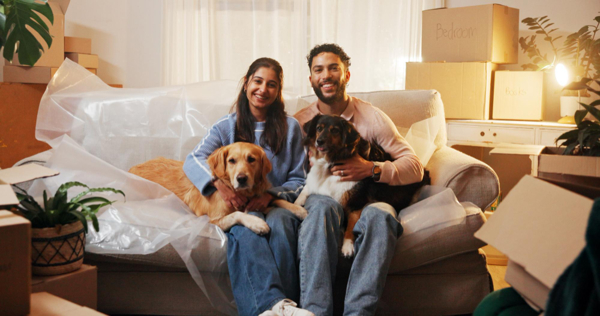
A move can feel complex, especially with several canines in your care. They are highly sensitive to changes, particularly in smells and scents. Thus, relocating with multiple dogs requires planning, patience, and clear priorities. You must organize space, reduce risks, and keep daily habits stable. Each animal reacts differently, so your approach must stay flexible. With the right steps, you can reduce stress and create a calm start in your new home.
Assess Your New Space Before Moving
Start by reviewing your new home in detail. Check room sizes and note where each dog can rest. Clear space prevents tension and allows every companion to feel secure. You should avoid tight areas that cause conflict.
In a line manner, look at the floors and surfaces next. Slippery materials can lead to injury, especially for older pups. Rugs or mats improve grip and reduce accidents. Safe flooring supports daily movement and comfort.
The outdoors need equal attention. Inspect fences and gates for gaps or weak spots. A secure yard allows safe play and reduces escape risks. Controlled outdoor access helps them adjust faster.
Smart Packing Strategies for Dog Essentials
Packing your dog’s items with structure reduces confusion and delays on moving day. Use sealed containers to prevent spills and keep food, treats, and medications protected. Durable, tear-resistant bags work well for toys, bedding, and grooming supplies, since they handle frequent loading and unloading without damage. When everything stays grouped and protected, unpacking becomes faster and more predictable.
In addition, keep a separate travel bag ready for immediate use. Include wipes, extra leashes, waste bags, a collapsible bowl, and a small supply of food. These items help you deal with quick stops, accidents, or unexpected delays without digging through boxes. This kind of preparation helps make it less overwhelming when the schedule shifts or the trip takes longer than planned.
Clear labeling also improves efficiency. Mark each container with your pet’s name and a short list of contents. That avoids mix-ups, especially if you have more than one animal, and allows you to locate daily essentials right away once you arrive. Fast access supports a steady routine, which helps pets adjust more easily to a new environment.
At the same time, working with professional movers can simplify the process. Finding a reputable moving company that handles packing, transportation, and heavy lifting helps reduce physical strain and logistical pressure during relocation. You simply have to give clear instructions about pet-related items so nothing gets misplaced or delayed. Also, it is better to plan your pet’s transport separately. Assign one person to focus only on your dog during travel, which keeps your pet safe and avoids distractions while the movers handle the rest.
Relocating With Multiple Dogs: Space Planning That Works
Each pup needs its own territory to relax and recharge. Shared spaces can work, yet defined zones reduce tension. Use barriers or crates to create structure in busy spots. This setup prevents crowding and supports calm reactions.
In addition, rotate access to shared areas if needed. Some pets prefer quiet time away from others. Controlled access reduces stress and prevents unwanted interactions. Over time, you can adjust based on behavior.
Introduce rooms gradually instead of all at once. This method avoids overstimulation and confusion. Start with one safe place, then expand access step by step. A slow approach builds confidence and stability.
Safety First: Preventing Accidents in a New Environment
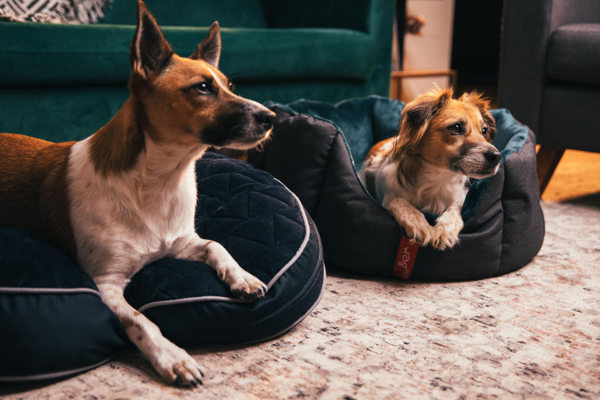
A new home may hide unexpected hazards when relocating with multiple dogs. Inspect wires, sharp edges, and small objects on the floor. Removing these dangers protects your dogs from injury. A safe environment reduces stress for everyone.
Windows and balconies require attention—secure openings to prevent falls or escapes. Even calm ones may react unpredictably in unfamiliar places. Strong barriers keep them protected.
Update identification details before the move. Ensure tags and microchips contain current contact information. If a pet gets lost, accurate data improves recovery chances. This step adds an extra layer of security.
Leash use remains important during the early days. Keep them under control during outdoor exploration. Gradual exposure helps them learn boundaries and surroundings. Controlled movement builds confidence safely.
Maintaining Routine During the Transition
Consistency helps dogs feel secure in a new space. Feed them at the same time each day. Regular meals support digestion and create a predictable pattern. A stable schedule reduces confusion.
Daily walks should follow familiar routes at first. Short walks near your home help pets adjust to new smells and sounds. Over time, you can explore wider areas. This gradual approach limits stress.
Sleep routines also matter. Place beds in quiet, consistent spots each night. A fixed sleeping zone promotes rest and comfort. Good sleep supports overall adjustment.
Commands should remain unchanged. Use the same words and tone you used before the move. Familiar cues reinforce structure and guide behavior. Clear communication builds trust during change.
Managing Stress and Behavioral Changes
Canines react differently to change. Some become restless, while others withdraw. You should observe behavior closely during the first weeks. Early signs help you respond quickly and effectively.
Provide mental stimulation each day. Toys and simple training exercises keep pets engaged. Activity reduces boredom and prevents unwanted habits. A busy mind supports emotional balance.
Create calm zones for rest. Quiet spots allow for relaxation without disturbance. This setup helps reduce anxiety and supports recovery after activity. Rest plays a key role in adjustment.
When relocating with multiple dogs, you must consider both group dynamics and individual needs. Some adjust quickly, while others need more time. Separate feeding areas reduce tension and protect resources. Short walks in pairs can build trust and confidence. Gradual exposure to new places prevents overload and confusion. Over time, each pet adapts at its own pace.
Settling In: Long-Term Space and Routine Adjustments
Observe how your companions use the space over time. Some areas may cause tension or discomfort. Adjust layouts based on these observations. Small changes can improve harmony in your home.
Create activity zones for play and exercise. These encourage movement and reduce boredom. Active pets stay healthier and calmer. Clear delimitations also protect furniture and belongings.
Balance group time with individual attention. Some need one-on-one interaction to feel secure. Personal time strengthens trust and reduces jealousy. A balanced approach supports emotional health.
Build a routine that fits your daily life. Consistent habits help them feel stable and secure. Eventually, your new home will feel familiar and comfortable. Stability grows through repetition and care.
Creating Stability After the Move
Relocating with multiple dogs requires focus on space, safety, and routine. Each step you take helps them feel secure and calm. Clear planning reduces stress and prevents common problems. Consistent habits support long-term adjustment and well-being. Stay attentive to each pup’s needs and adapt as required. With time and patience, your new home will feel stable for every animal.


 Muhammad Saad

