
Understanding Your Dog’s Behavior: A Guide for Every Pet Owner
Dogs are wonderful companions, bringing joy, loyalty, and affection into our lives. To maintain a happy and harmonious home, it’s essential for pet owners to understand how dogs communicate. Observing and interpreting their behavior not only strengthens the bond between owner and pet but also ensures that dogs feel comfortable and secure in everyday situations. Familiarizing yourself with your dog can help you recognize how dogs communicate boundaries, allowing you to respond appropriately and maintain a safe environment for everyone.
Dogs are wonderful companions, bringing joy, loyalty, and affection into our lives. To maintain a happy and harmonious home, it’s essential for pet owners to understand how dogs communicate. Observing and interpreting their behavior not only strengthens the bond between owner and pet but also ensures that dogs feel comfortable and secure in everyday situations. Familiarizing yourself with your dog can help you recognize how dogs communicate boundaries, allowing you to respond appropriately and maintain a safe environment for everyone.
The Basics of Dog Communication
Dogs communicate primarily through body language, posture, facial expressions, and vocalizations. Understanding these signals is key to interpreting their mood, comfort level, and intentions. Communication can generally be categorized into active signals and subtle, passive cues. Active signals, such as tail wagging, barking, or playful gestures, are often obvious and easy to notice. Subtle cues, like lip licking, avoiding eye contact, shifting weight, or yawning, may indicate that your dog is uncertain, stressed, or seeking space. Paying attention to both types of signals allows owners to respond thoughtfully and fosters trust between dog and owner.
Common Signs Dogs Use to Express Themselves
Observing your dog consistently can reveal much about their feelings and preferences. Key body language signals include:
-
Tail Movements: A tail held high or wagging, can indicate excitement, while a low or tucked tail may suggest discomfort or unease.
-
Ear Positions: Ears that are relaxed, perked, or slightly pulled back provide cues about the dog’s attention and mood.
-
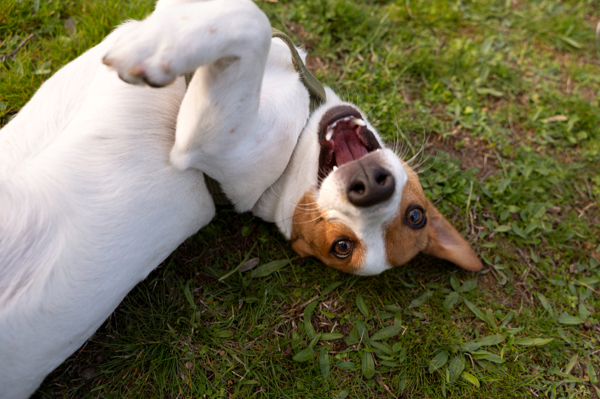
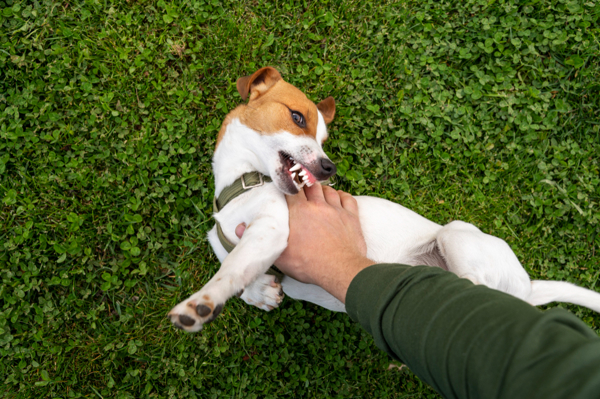
Posture: Leaning forward, freezing in place, rolling over, or bowing playfully communicates intent and emotional state.
-
Vocalizations: Barks, whines, or growls can convey different messages depending on context. A playful bark differs significantly from a bark that signals alertness or caution.
Recognizing these behaviors helps owners understand their dog’s needs and communicate effectively in everyday interactions.
Interpreting Subtle Cues
Subtle or passive signals are often overlooked but are essential for understanding your dog. Small actions, such as yawning, lip licking, or slight shifts in weight, may indicate discomfort or a desire for space. Observing these cues allows owners to adjust their interactions before a dog becomes stressed or overwhelmed. Daily observation and consistent attention help owners interpret subtle behaviors accurately. Over time, these insights allow for more responsive and thoughtful interactions, which contribute to a happier, more confident dog.
Building a Positive Relationship Through Communication
Responding appropriately to your dog’s signals is key to building a positive and trusting relationship. Active listening to cues can guide play, training, and daily interactions. Reinforcing positive behaviors with treats, praise, or gentle encouragement strengthens communication and fosters mutual understanding. By recognizing dog bite levels as part of your dog’s communication, you gain insight into how your pet sets boundaries. This understanding supports safer and more respectful interactions, ensuring that your dog feels understood while maintaining harmony at home.
Daily Practice and Observation Tips
Incorporating short, consistent observation sessions into your routine helps you notice patterns in your dog’s behavior. Tracking how your dog responds in different situations can provide valuable insights into their comfort level and preferences. Creating safe spaces where your dog can retreat if they feel overwhelmed encourages self-regulation and promotes well-being. Patience, consistency, and mindful observation help strengthen your bond and allow your dog to feel secure and confident.
Conclusion
Understanding a dog’s communication is a continuous learning process for every pet owner. Paying attention to both active and subtle signals helps create a safe and harmonious environment while strengthening the bond between owner and pet. Through careful observation, patience, and consistent care, owners can ensure that their dogs feel understood, secure, and valued members of the household.


 Muhammad Saad

