
The First 48 Hours in a New Home: What Your Dog Needs Most
Moving into a new home is exciting for people, but your dog may feel uncertain. New sounds, smells, and spaces can confuse them. In those first two days, it helps to focus on what your dog needs most: safety, comfort, and routine.
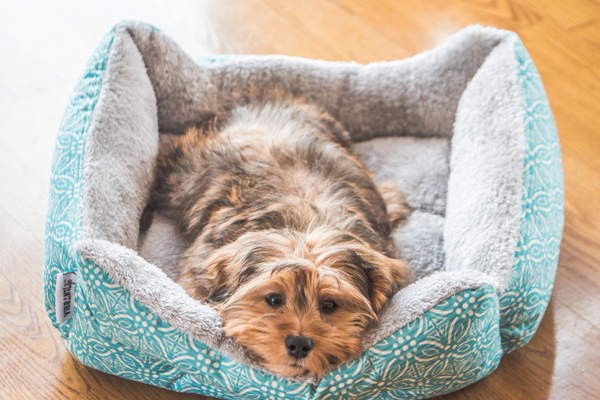
Moving into a new home is exciting for people, but your dog may feel uncertain. New sounds, smells, and spaces can confuse them. In those first two days, it helps to focus on what your dog needs most: safety, comfort, and routine. When you pay attention to their needs, you help build trust fast. This article offers practical advice for traveling with your dog anywhere. Help your dog settle smoothly — from a cozy corner to gentle walks. Your care makes a big difference.
Create a Safe Spot for Comfort
Your dog needs a cozy area where they can retreat if things feel overwhelming when moving into a new home. This might be their old bed, a crate, or a soft blanket, and their favorite toys. Try to place it in a quiet corner away from busy household activity. A familiar spot gives your dog peace and lets them adjust on their own time. This gives your dog space to relax and observe at their own pace. A familiar-smelling environment often lowers stress because scent is strongly tied to memory for dogs. Experts recommend preparing a stable retreat before the move to help pets cope better with change.
What Your Dog Needs Most to Feel at Home
Dogs don’t know your moving plan. They need your guidance, patience, and reassurance. Their routine boosts daily happiness levels. For the first 48 hours, try following this list:
-
Set up a quiet, safe spot with familiar items
-
Keep feeding times and portions the same.
-
Offer calm, short walks for gentle exploring
-
Supervise room access and go slow
-
Provide comfort with soft praise and treats
-
Limit visitors and loud activities
-
Keep nighttime calm so they can rest
Keep Routines Steady for Less Stress
Dogs thrive on routine. Predictable feeding times, walks, and rest help them feel secure. According to pet care advice, keeping a consistent schedule helps reduce anxiety after major changes. Try to keep feeding, play, and potty breaks at the same times your dog is used to. A steady sleep routine helps too. Offering a familiar bedtime place — perhaps near where you sleep — can comfort them. This consistency helps your dog sense some normalcy amid all the newness.
Long-distance Moves and Long Preparations
Packing, unpacking, and all that chaos can overwhelm your dog and your family. To make moving feel easier and smoother for everyone, you can do some things. Even making your far-away move stress-free is easy when breaking tasks into small steps. Let your dog rest while you carry boxes. Offer short, gentle walks or light play to release stress. Introduce rooms one at a time instead of letting them explore everything at once. A slower pace lowers anxiety. Also, unpack your dog’s items — bed, bowls, toys — first so their familiar things are ready. These small acts can shape a smoother start for your whole family as you settle in.
Watch Body Language Carefully
Dogs don’t use words. They have different ways of telling you how they feel through many little signals. Each dog communicates in their own way, so pay close attention to what is normal for your dog. A relaxed dog may wag softly, blink slowly, or settle near you. But if your dog seems stiff, hides behind furniture, or paces the room, they might be feeling unsure. Some dogs show stress by licking their lips, yawning when they aren’t tired, or turning their head away. Others may cling to you and follow every step because they don’t want to feel alone. These reactions are not “bad behavior.” They are just expressions of uncertainty in a new place. Offer quiet support and gentle praise when your dog makes small steps, like sniffing a new room or lying down in their safe spot. Let them choose the pace. Respecting their feelings builds trust, lowers worry, and helps them understand that this new home is a safe and loving place.
Play, Praise, and Positive Moments
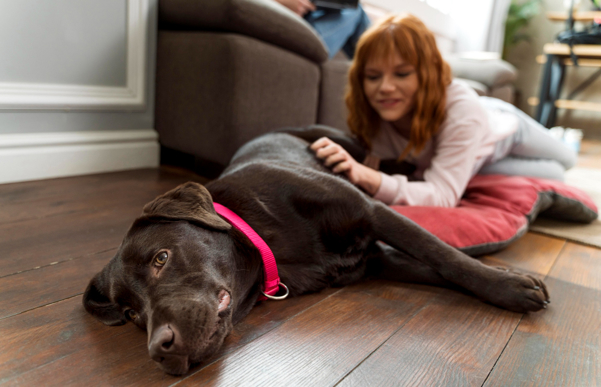
Moving isn’t just about boxes and furniture. It can also be a chance to bond. Light play and gentle praise help your dog associate the new home with good feelings. Treats, favorite toys, and soft petting when they explore or rest can reinforce calm behavior. Some dogs respond very well to small rewards when they show curiosity or calmness. That helps them build confidence in their new surroundings. These happy moments help turn a strange house into a safe home.
Meeting New Neighbors and Pets Later
If you expect visitors, children, or other pets soon after moving, hold off for a little while. Your dog may need a few days to settle before meeting anyone new. When the time feels right, start introductions outside or at a safe distance. Let your dog move forward when they feel ready. Keep greetings short and calm so they can build positive associations. This is especially helpful if your dog came from a quieter breeder environment. Some breeders raise puppies in peaceful country settings, so busy streets or loud neighborhoods can feel overwhelming at first. On the other hand, dogs raised in more active or social breeder homes might adapt faster, but still may struggle with new animals or people they have never met. Every dog processes change differently. Pay attention to how yours reacts. Give gentle praise and space. A slow, thoughtful approach builds social confidence and helps your dog feel safe as they form new connections in the community.
Keep Quiet Time at Night
The first nights in a new home can feel strange for your dog. They may pace, whine, or try to explore. Provide a calm bedtime routine. Dim the lights, reduce loud noises, and stay close if you can. Let them sleep where they feel comfortable — perhaps near you. Sometimes it’s what your dog needs most in the new home. Even gentle petting or a calm voice can reassure them. Familiar smells, like their old blanket, can help too. A peaceful night helps them recharge after a busy day of change.
Conclusion: A Strong Start Builds Confidence
The first 48 hours matter more than you think. Focus on what your dog needs most: comfort, routine, calm, and gentle support. Use consistent feeding, walks, and rest. Provide a safe space, observe body language, and give soft encouragement. These simple, caring steps help your dog adapt faster. No fancy tools are required — just your presence and patience. A smooth start makes a big difference for their emotional comfort. When your dog feels safe and loved, your home becomes a place of trust.


 Muhammad Saad

