
Anxiety in Older Dogs: Symptoms & Treatment
When your dog starts clinging for no reason when you leave the room, or begins panting, you’re not alone. Older dog anxiety is very common and often misunderstood. As their bodies and brains change with age, even their daily routine can become a source of stress. There is some good news, though. Every dog owner can protect their pet from stress by using the right plan. Adapting life for senior dogs is simple: use a back-to-basics approach, such as potty training an older dog, and a predictable schedule. But first, let’s find out what can cause anxiety in seniors and what the signs of it are.
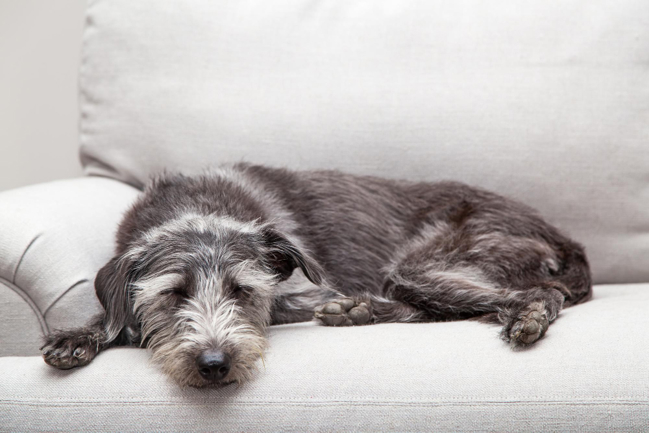
When your dog starts clinging for no reason when you leave the room, or begins panting, you’re not alone. Older dog anxiety is very common and often misunderstood. As their bodies and brains change with age, even their daily routine can become a source of stress.
There is some good news, though. Every dog owner can protect their pet from stress by using the right plan. Adapting life for senior dogs is simple: use a back-to-basics approach, such as potty training an older dog, and a predictable schedule. But first, let’s find out what can cause anxiety in seniors and what the signs of it are.
Signs of Anxiety in Older Dogs
An old dog with anxiety doesn’t always exhibit by-the-book symptoms of anxiety. At the same time, some signs might look like medical problems. Watch out for the following warning signals:
-
Pacing
-
Excessive relentlessness or lack of sleep at night
-
Excessive whining, howling, and barking (especially when alone)
-
Clinginess
-
Startling or increased sensitivity to new noises
-
House-pottying
-
Decreased interest in play
-
Avoiding spacious places
-
Repetitive behaviors, including door-checking and circling
-
Changes in appetite or sleeping schedule
Some of these can also be signs of the disease (for example, peeing around the house or wakefulness at nighttime). Thus, schedule a veterinary appointment to make sure it is behavior-based, not health-based.
Why is My Senior Dog So Anxious?
Dog owners often wonder, “Why is my senior dog so anxious?” or “Why is my old dog suddenly anxious?”. Without a doubt, a sudden onset of older dog anxiety is upsetting and worrying. However, knowing the common causes of such behavior makes it easier to manage it.
-
Pain and Medical Conditions
Medical problems, such as arthritis, endocrine disorders, or dental pain, can increase a dog's irritability and vocalization. For dogs that rarely “act out,” pain often is the cause.
-
Cognitive Dysfunction Syndrome (CDS)
CDS is a form of canine dementia. It is similar to Alzheimer’s disease in humans and can manifest with increased anxiety and other behaviors.
-
Sensory Decline
Loss of hearing or vision can make your dog’s environment less predictable. A suddenly closed door or someone calling can startle your dog.
-
Routine Disruptions
A new event, such as moving houses, a newborn in the house, or renovation noises, can trigger an old dog’s anxiety.
-
Separation-Related Distress
Another common issue is separation anxiety in dogs. Aging dogs usually struggle with spending time alone. As a result, they are more likely to show negative behaviors, such as pacing or barking.
-
Medication Side Effects
Certain medications can increase anxiety and restlessness in a dog. Make sure to consult with a vet to review the medications, their dosage, and possible side effects.
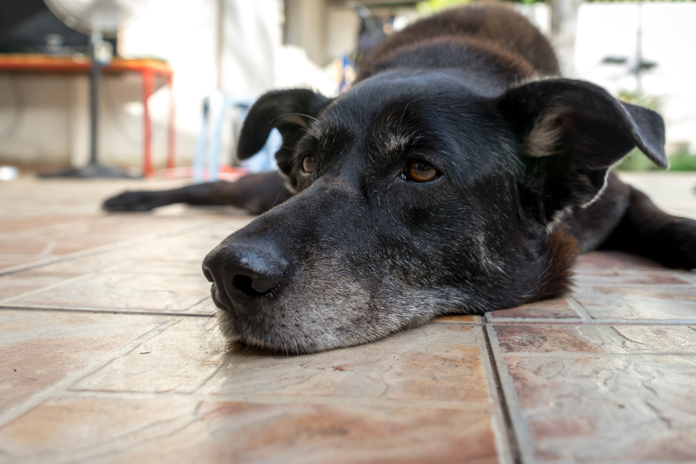
How to Calm a Senior Dog’s Anxiety?
In the case of an anxious older dog, only a complex approach will work out. Adapting the environment, timely veterinary care and patient training – these are keys to senior dog anxiety treatment. Explore more options on how to manage your dog’s anxiety.
-
Schedule a Vet Visit
Ruling out medical causes for anxiety is essential to finding the best way to relieve your dog’s anxiety. Pain management can significantly reduce anxious behavior.
Ask the vet about cognitive support (supplements and vitamins) that support brain health. Consider medications and discuss possible options with your vet.
-
Make Home More Predictable
Bring more structure to your dog’s routine. Schedule the day: meals and walking time, rest and play time. Fixed routine significantly decreases a dog's anxiety. Try using baby gates to limit access to confusing places and nightlights to make moving at night less scary.
-
Meet Physical Needs With Kindness
Patience and gentle physical activity can make a big difference for an old dog with anxiety. Frequent, but short walks can help to burn energy and decrease nervousness. Make sure to offer treats that are easy to chew to activate sniffing and reward the dog.
-
Training to Lower Anxiety
Introducing your dog to low-intensity positive reinforcement training. Such an approach is called desensitization and counter-conditioning. It helps to decrease the negative impact of certain triggers and manage anxiety on a day-to-day basis.
Make sure to promote relaxation protocol whenever possible (commands such as “settle on a mat,” “breathe,” and “stay”).
-
Bathroom Success – Lower Stress
Senior dogs are more likely to struggle to hold in their pee or can simply forget the cues. To avoid that, revise the basics and encourage frequent potty breaks. Reducing a number of potty accidents helps to decrease both your and your dog’s anxiety.
-
Comfort Tools for Seniors
Comforting tools, such as soft music and pheromone diffusers, can create a baseline calmness. Paired with calm words and gentle touches, it improves overall mood and brings and sense of security.
When to Look for Professional Support
When you see that your older dog’s anxiety is severe or you’re not sure you can manage it, consult a certified behavior professional. They’ll suggest the best strategy, explain medication, and monitor progress to make timely adjustments.
Conclusion
Senior dog anxiety is not a phase of aging— it’s a signal to pay attention to your dog’s wellbeing. When you respond with thoughtful care by building a predictable home, routine, and kind training, seniors become more confident. Whether you’re wondering, “Why is my old dog suddenly anxious?”, start with simple steps. With love, patience, and consistency, you’ll see more soft eyes and calmer days ahead.


 Abderrahim Lafifi

