
How to Socialize Your Dog at Any Age
Dog socialization is the process of helping your dog feel at ease in all kinds of situations: different environments, sounds, textures, handling, and interactions with people and other dogs. In this guide, we'll share practical tips for every life stage, so your best friend can grow happier, calmer, and easier to live with.
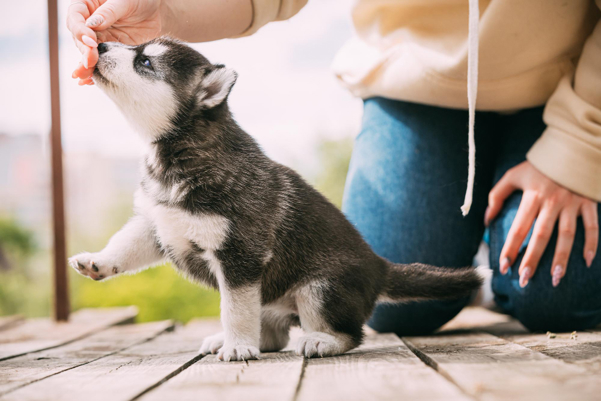
Dog socialization is the process of helping your dog feel at ease in all kinds of situations: different environments, sounds, textures, handling, and interactions with people and other dogs.
The earlier you start, the better your chances of raising a well-adjusted companion. That said, it's never too late to begin. Puppies, adolescents, adults, and even senior dogs can all benefit from socialization.
In this guide, we'll share practical tips for every life stage, so your best friend can grow happier, calmer, and easier to live with.
Note: The stages of growth in dogs differ slightly from breed to breed. Larger dogs take longer to develop fully, and smaller breeds finish physical development faster.
Socializing Your Puppy
The prime window for socialization falls between 3 and 15 weeks of age (with individual variation), when your puppy's brain is the most receptive to new experiences. Positive experiences now will help shape how your dog responds to the world for life.
During this period, focus on gentle, positive exposure to a wide variety of experiences:
-
Handling: Regularly touch your puppy's paws, ears, tail, and mouth to help them get comfortable with grooming and vet exams.
-
Different sounds: Introduce everyday noises like vacuum cleaners, doorbells, traffic, and other household appliances.
-
New people: Probably the most important factor; safely expose your puppy to a variety of people, including men, women, and children, so they learn that people are safe and predictable.
-
Other dogs: Arrange calm, supervised interactions with friendly, vaccinated dogs to build positive social skills.
-
Food bowl exercises: Occasionally approach or gently handle the bowl while your puppy eats to build trust and prevent guarding behaviors.
Make sure you keep all interactions controlled, calm, and rewarding, never overwhelming or forced.
Socializing the Adolescent Dog
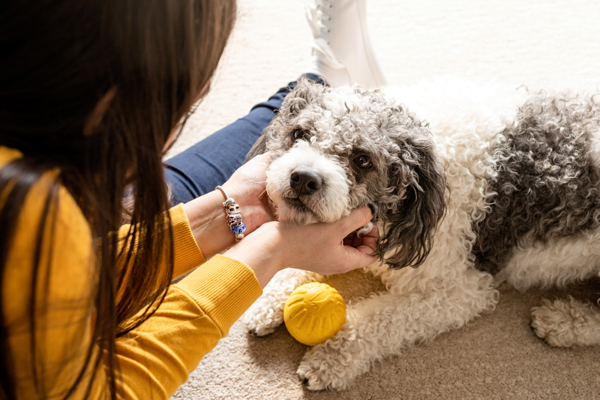
The adolescent period begins when a puppy reaches puberty. Puberty usually occurs between six months to one year of age. During this stage, the puppy’s brain is fully developed and contains the learning capacity of an adult dog. This stage is about crossing boundaries, testing behavioral guidelines, and challenging members of the family. Practice makes permanent, so it is important to continue providing positive socialization experiences for your pet from puppyhood onwards.
Continue to expose your dog to the world in a positive and controlled way, so those early lessons stick:
-
Keep social experiences consistent: Regular encounters with new people help reinforce that strangers are safe.
-
Support good dog-to-dog manners: Keep doing structured playdates or calm on-leash walks around other dogs for practice and to prevent reactivity.
-
Switch up your environment gradually: New routes, surfaces, and smells can help redirect your adolescent’s extra energy. You can also bring that variety home by creating a sensory garden for your pup.
-
Build independence: Short periods alone help prevent separation anxiety and teach your dog to feel more secure when you’re not around.
-
Reinforce good behaviors: Reward calm, friendly interactions with people and other dogs. If your dog shows fear or aggression, keep them on a leash and avoid punishment. Instead, redirect their focus to a cue (like "sit") to help them reset.
Tip: Positive reinforcement means rewarding your dog's desired behavior with treats and praise to help them associate new experiences with something good.
It's Never Too Late: Socializing an Adult or Rescue Dog
Socializing an adult dog is a slower, more intentional process, but it can still be very effective. Start by identifying your dog's triggers. Then, you can use desensitization and counterconditioning (pairing the trigger with treats or praise) to gradually build positive associations.
For rescue dogs or those with unknown histories, go at your dog's pace. Keep experiences predictable, avoid overwhelming situations, and most importantly, celebrate the small wins.
-
Choose calm, well-socialized dogs for introductions: Start with parallel walks or brief meetings in a neutral, quiet space.
-
Keep interactions controlled: Use a leash at first and watch body language closely.
-
Avoid rushing off-leash play: If there's any fear or tension, keep distance and don't force interaction.
-
Expand carefully: Once your dog is comfortable, introduce new people, environments, and eventually puppies or children under supervision.
Socializing Senior Dogs Without Overwhelming Them
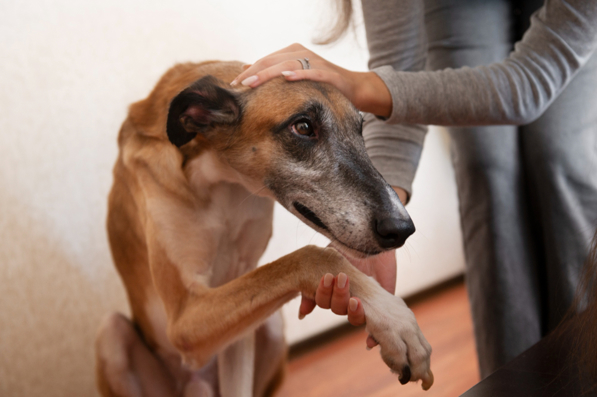
Senior dogs can and should stay socially engaged, but their needs are different. Lower energy levels, reduced mobility, and changes in hearing or vision mean socialization should be gentler and more predictable.
The goal is to keep your old friend comfortable and confident, not to push them beyond their limits.
-
Keep interactions calm and short: Opt for short visits with familiar people or well-mannered dogs rather than busy, high-energy settings.
-
Stick to familiar routines: Consistency helps senior dogs feel secure, especially as they become more sensitive to change and prone to anxiety.
-
Choose comfortable environments: Quiet parks, easy walks, or relaxed time at home are often better than crowded or noisy places.
-
Watch for signs they've had enough: Learn to spot stress signals, like lip licking, whale eyes, a stiff body, or tail tucking, and end the interaction when they appear.
Additional Dog Socialization Tips to Keep in Mind
No matter your dog's age, successful socialization comes down to consistency and patience. Keep these general tips in mind to help your dog feel safe, confident, and ready to engage with the world:
-
Never force interaction between your dog and new people or other dogs.
-
Always pay attention to your dog's body language, and learn to recognize signs of stress versus curious behavior.
-
Consider training classes.
-
Reward good behavior with treats, praise, or gentle pats.
-
Know that dog parks aren't for every dog, especially reactive, fearful, or easily overwhelmed dogs.
-
Keep your dog on a leash during walks or in new situations.
-
Stay calm, as your pup will pick up on your emotions (especially human stress) and may act the same way.
Build Confidence at Every Age
Socializing your dog is an ongoing process that evolves with age, your pup's personality, and experience. While starting early gives your dog a strong foundation, meaningful progress can happen at any stage of life with patience and consistency.
By focusing on positive and controlled interactions, you can help your pup feel more confident, relaxed, and comfortable in the world around them, making their everyday life more enjoyable for both of you.


 Harley Grandone

