
How Long Can Dogs Hold Their Bladder Overnight? What Every Owner Should Know
Factoring in your dog’s age, size, health, and daily routine helps you protect your dog’s health and set realistic expectations for nighttime bladder control. This guide walks you through everything you need to know, from puppies to senior dogs, and covers the warning signs that something may be medically wrong.
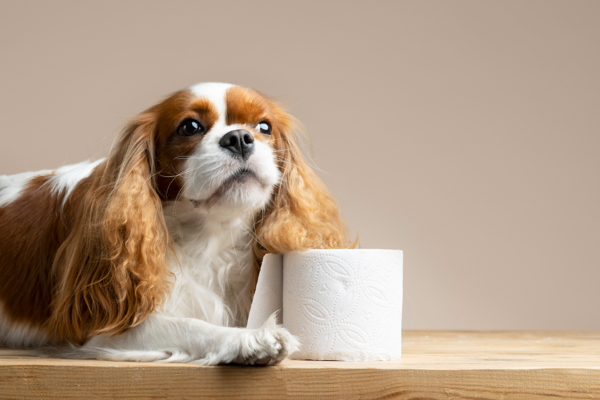
If you have ever watched your dog pace near the door at midnight or woken up to an unwelcome accident on the floor, you have probably asked yourself one very practical question: how long can my dog actually hold it overnight? The answer is not as simple as a single number. It depends on your dog’s age, size, health, and daily routine. Understanding these factors helps you protect your dog’s health and set realistic expectations for nighttime bladder control.
This guide walks you through everything you need to know, from puppies to senior dogs, and covers the warning signs that something may be medically wrong.
The General Rule: What Science and Vets Tell Us
Most healthy adult dogs can sleep through the night without needing a bathroom break. According to veterinary experts, adult dogs can generally hold their bladder for 8 to 10 hours overnight. This is possible because the body naturally slows urine production during sleep, and a resting dog is not drinking water or exercising, both of which accelerate urine output.
However, 10 to 12 hours is considered the upper limit, and pushing a dog to hold their bladder that long regularly is not ideal. It places unnecessary strain on the bladder and can lead to health complications over time.
Age Makes All the Difference
Age is the single biggest factor in overnight bladder control. Here is what to expect at each life stage.
Puppies (Under 6 Months)
Young puppies have small bladders and immature sphincter muscles, meaning they simply cannot hold urine for long. A widely used rule of thumb among trainers and veterinarians is one hour per month of age. A two-month-old puppy may only manage two to three hours, while a four-month-old might stretch to four or five. Puppies generally start sleeping through the night around four to six months of age, though this varies by individual dog and breed size.
Healthy Adult Dogs (1 to 7 Years)
A trained, healthy adult dog can typically hold their bladder through a full night of sleep, usually 7 to 9 hours. Larger breeds tend to manage this comfortably, while smaller breeds and toy dogs may need a break sooner due to their smaller bladder capacity and faster metabolism.
Senior Dogs (7 Years and Older)
As dogs age, bladder muscles weaken, and medical conditions become more common. A senior dog that previously slept eight hours without issue may now need to go out after five or six hours. This is a natural part of aging and not a sign of poor training. Many senior dogs also develop conditions like arthritis or cognitive decline, which can further disrupt their nighttime routine.
Other Factors That Affect Overnight Bladder Control
Age is not the only variable. Several other factors play a significant role in how long your dog can hold their bladder at night.
-
Breed and Body Size: Larger dogs generally have larger bladders relative to their body size and can hold urine longer. Toy breeds and teacup dogs, on the other hand, often struggle to hold their bladder beyond three to four hours, even as adults.
-
Diet and Water Intake: Dogs that eat wet food or drink a large amount of water in the evening will produce urine faster overnight. Limiting water intake in the hour or two before bed, combined with a final outdoor trip, can help extend the overnight window.
-
Evening Exercise and Activity: Physical activity speeds up metabolism and stimulates the bladder. A dog that was very active in the evening may need to go out sooner than one that spent the night quietly resting.
-
Stress and Anxiety: Dogs experiencing anxiety, a change in environment, or separation stress may lose bladder control more quickly. New rescues and recently adopted dogs often need extra nighttime trips while they adjust to their new home.
-
Medical Conditions: Urinary tract infections, bladder stones, kidney disease, diabetes mellitus, and Cushing’s disease can all reduce a dog’s ability to hold urine. If your previously reliable dog suddenly starts having nighttime accidents, a veterinary checkup is the right first step.
Warning Signs Your Dog Cannot Hold It Long Enough
Some dogs will quietly suffer discomfort rather than make noise at night. Watch for these signs that your dog may need more frequent bathroom breaks or a veterinary evaluation.
-
Nighttime accidents in a previously house-trained dog
-
Waking you up repeatedly during the night
-
Restlessness, pacing, or whining near the door
-
Unusually strong-smelling or cloudy urine
-
Increased thirst paired with increased urination
-
Straining or signs of pain when urinating
If you notice any of these signs, do not wait. A sudden change in bladder habits is one of the most reliable signals that something may be physically wrong.
Practical Tips to Help Your Dog Sleep Through the Night
The goal is not simply to stretch your dog’s bladder to its limit, but to build habits that keep them comfortable and healthy. These strategies make overnight bladder control easier for both of you.
-
Final potty trip before bed: Always take your dog outside right before you go to sleep. Even if they went out an hour earlier, a short walk or yard trip gives them a last chance to empty their bladder fully.
-
Manage evening water intake: Consider removing the water bowl one to two hours before bedtime, especially for puppies and senior dogs. Make sure they drink enough throughout the day so they are well hydrated before the cutoff.
-
Stick to a consistent schedule: Dogs thrive on routine. When you wake up at the same time each morning and take your dog out immediately, their internal clock adjusts. Over time, their body naturally holds it until that expected moment.
-
Use a crate for puppies: Crate training works because dogs instinctively avoid soiling their sleeping area. A properly sized crate, snug but not cramped, encourages puppies to hold their bladder longer overnight.
-
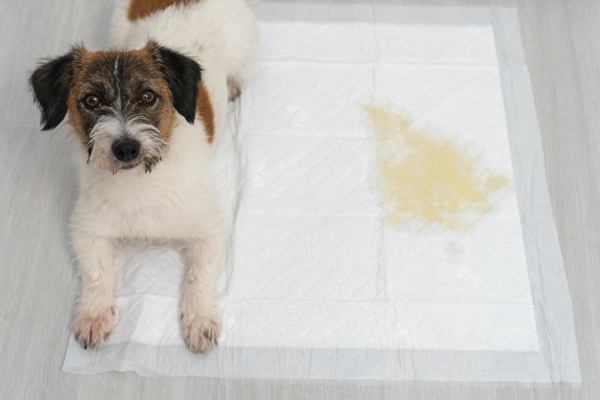
Pee pads for small breeds and seniors: If your dog physically cannot make it through the night, indoor pee pads in a designated area are a practical and humane option. This reduces stress on both the dog and the owner.
-
Consider a midnight potty trip for puppies: Young puppies under four months may simply need a middle-of-the-night trip. Set an alarm, take them out quietly with minimal excitement, and return them to their crate immediately. This teaches them it is not playtime.
How Long Is Too Long? The Health Risks of Holding It
Just because a dog can hold their bladder does not mean they should be required to do so regularly. Forcing a dog to hold urine for extended periods can lead to serious health consequences, including urinary tract infections, bladder stones, kidney stones, and in some cases, bladder cancer.
A dog’s bladder begins to feel full when it reaches roughly half its capacity. At that point, signals are sent to the brain, and your dog starts to feel the urge to go. Beyond that threshold, discomfort increases, and if ignored long enough, accidents become inevitable regardless of training.
Most veterinarians recommend that no dog, regardless of age or size, be required to hold their bladder for more than 8 to 10 hours in any situation. For puppies and senior dogs, 4 to 6 hours is a safer maximum during the day, with some overnight flexibility depending on sleep depth and inactivity.
Quick Reference: Overnight Bladder Expectations by Age
Use this as a general guide, not a strict rule. Every dog is different.
-
Puppies 2 to 3 months: 3 to 4 hours overnight, may need a middle-of-the-night trip
-
Puppies 4 to 5 months: 4 to 6 hours overnight, starting to sleep through in some cases
-
Puppies 6 months and up: 6 to 7 hours overnight, approaching adult capacity
-
Healthy adult dogs: 8 to 10 hours overnight, typical for most trained dogs
-
Small and toy breeds: 6 to 8 hours overnight, shorter due to bladder size
-
Senior dogs: 4 to 7 hours overnight, depending on health and mobility
Understanding Your Dog’s Individual Needs
Charts and general rules are helpful starting points, but the best guide is your own dog. Pay close attention to their behavior in the evening and overnight. If they are restless, circling, sniffing the floor, or whining near the door, they are telling you something.
Keeping a simple log for a week can reveal your dog’s personal patterns. Note when they drink water, when you take them out, and what time they wake up. Within a few days, you will have a clearer picture of their actual needs versus the general guidelines.
Breed standards can help you understand how your dog’s breed characteristics may affect their bladder control and overall care needs.
Final Thoughts
Most healthy adult dogs can sleep through the night without needing a bathroom break. But that comfortable overnight window is earned through consistent routines, proper feeding schedules, and attention to your dog’s individual signals. Puppies need patience and frequent nighttime trips. Senior dogs need flexibility and compassion as their bodies change.
If your dog is consistently struggling to make it through the night despite a good routine, do not dismiss it as a behavioral issue. It may be a medical one. A quick visit to your veterinarian can rule out the most common causes and help you build a plan that keeps your dog comfortable, healthy, and sleeping soundly through the night.
Because when your dog sleeps well, you sleep well too.


 Fay Smith

