
Understanding Canine Body Language: What Is Your Dog Telling You?
Ever wish that your dog could just tell you what's on their mind, instead of leaving you confused by their signals? While they might not speak our language, they are always trying to communicate through their body language, and learning how to decode their non-verbal cues can strengthen the bond you share.
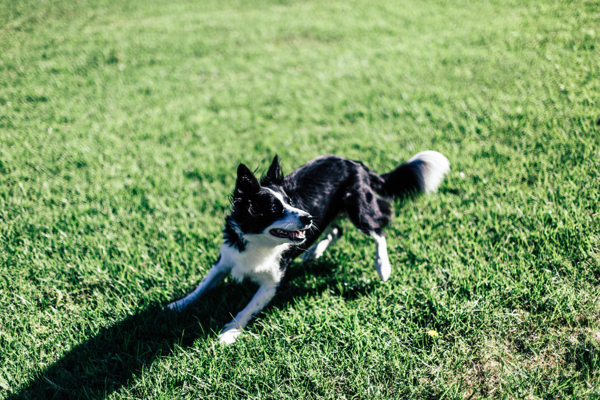
Ever wish that your dog could just tell you what's on their mind, instead of leaving you confused by their signals? While they might not speak our language, they are always trying to communicate through their body language, and learning how to decode their non-verbal cues can strengthen the bond you share.
Our canine companions use an intricate language of barks, tail wags, ear flicks, and body postures to express their emotions, intentions, and needs. However, learning to communicate with your dog is not just about knowing what they want; it is about understanding how they feel, ensuring their well-being, and preventing potential issues. To better communicate with your dog, dive right into this guide and learn to speak your canine's language!
The Expressive Tail: More Than Just a Wag
A wagging tail always means a happy dog, right? Well, at least that's what we've all heard, but let's debunk this myth today. A wagging tail means your dog is emotionally aroused. Yes, it could be excitement, but it could also mean frustration or maybe worse. To understand your dog's emotions and intentions, you need to consider the position, direction, and speed of the wag.
Speed of the wag:
- When you see their whole back end wiggling, this is the “I'm so happy and relaxed to see you!” wag. These will be long, slow, and side-to-side tail sweeps.
- When you see fast and twitchy wags, this shows a higher level of excitement or arousal. It could either mean “I'm super excited to play!” or your dog might be on alert, like a guard dog.
Direction of the wag:
- When you see your dog wagging more to the right, studies suggest that your dog is feeling positive about something, like interacting with their owner.
- When the wags are more towards the left, it means your dog is feeling unsure or facing something negative.
- When you see the tail spinning in a circle, this is called a “helicopter” or “windmill” tail wag, which without a doubt means your dog is happy.
Position of the wag:
- When the tail is high like a flag, this means the dog is confident, assertive, or a bit aggressive.
- When the tail is pointing down towards the ground or tucked between the legs, this shows clear signs of fear or stress.
- A relaxed dog will hold its tail in a neutral position, and this can be different for each breed. So if you get familiar with your dog's neutral tail position, it will be easier for you to understand and recognize when their emotions have shifted.
Ears: The Little Antennas of Emotion
Your dog’s ears are like sensitive antennas that not only pick up every rustle and squeak but also clearly show how they feel. They're incredibly mobile and expressive, offering direct clues about your dog's mood and focus. Paying attention to their position and movement can truly help you tune into what your amazing dog is trying to tell you.
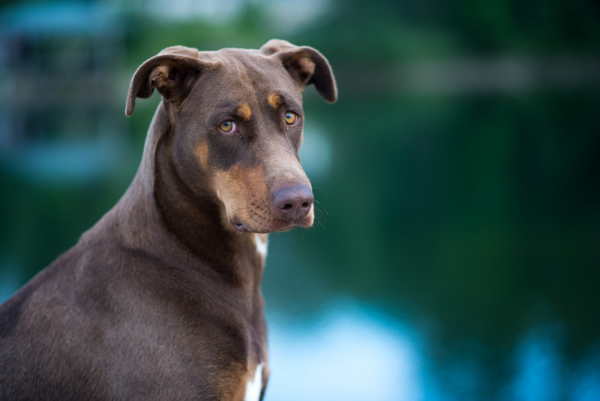
- Ears held naturally, slightly back or to the side, indicate a calm, relaxed dog.
- Ears perked forward show that your dog is alert and paying attention.
- Ears pinned back tightly (pressed flat against the head) signify fear or anxiety.
- If one ear is up and the other down, this shows uncertainty or curiosity.
Eyes: Windows to Their Souls
Beyond the wagging tail or perked ears, your dog's eyes are incredibly powerful communicators. Often called the "windows to their soul," they can tell you a lot about how your dog is feeling inside. Learning to read their gaze and pupil size is a huge step in understanding their inner world.
- When the eyes look soft, relaxed, and with slow blinking, this indicates comfort and affection.
- When the eyes look hard and direct, this may mean a threat, especially if accompanied by a stiff body. This shows that the dog is being aggressive, so it's better to avoid direct eye contact.
- When you see widely dilated pupils, this may indicate excitement, high stress, fear, or arousal.
- When your dog avoids eye contact or looks away, this may mean they’re showing discomfort, or giving an appeasement or calming signal.
- When you see the white part of your dog’s eyes on the sides, this is known as “whale eyes,” and it usually signifies that your dog is feeling anxious or stressed.
Mouth & Muzzle: Happy Pants and Warning Signs
Your dog's mouth might seem simple, but it's a full hub of communication! From relaxed smiles to tense growls, the way your dog holds their mouth and lips can tell you a lot about their mood. Pay close attention, and you'll uncover even more about what they're trying to convey.
- When you see a relaxed, slightly open mouth with tongue out, this clearly shows that your dog is happy and relaxed.
- When you see a closed mouth with tight or tensed lips, this indicates stress, discomfort, or concentration.
- When you see lots of panting not due to hot weather or exercise, then this shows signs of stress or anxiety.
- When you see your dog's lips pulled back, showing teeth (snarl/growl), this is a serious warning sign of aggression. You should respect this signal and give your dog some space.
- When you see excessive lip licking not due to hunger or thirst, this might mean that your dog is nervous, or giving an appeasement or calming signal.
Body Posture
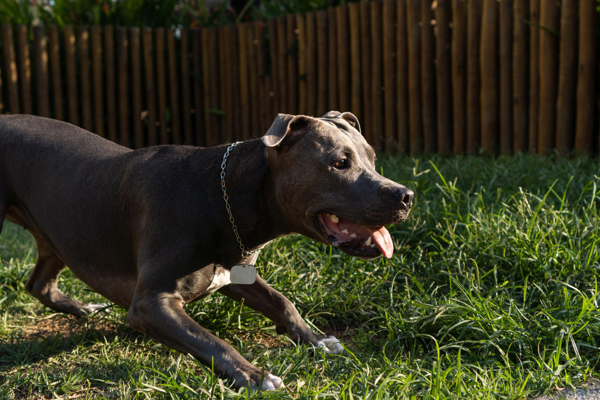
Beyond individual features, the overall posture of your dog's body is crucial for understanding their message.
- Loose, relaxed posture: A dog standing or lying in a relaxed manner, with a soft body, indicates comfort and ease.
- Play bow: Front legs extended, rear end up, and a wagging tail means "let's play!"
- Stiff, frozen posture: A rigid body, often with a low head or direct stare, can lead to proactive behavior. This is a sign of tension and potential aggression or fear.
- Cowering or hunched over: A dog trying to make itself small is often fearful or submissive.
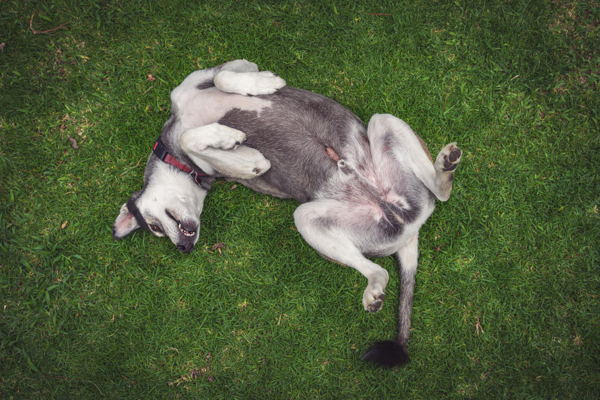
- Exposed belly: Rolling over to expose their belly can be a sign of trust and relaxation, but can also be a submissive gesture if the dog appears tense or fearful.
Understanding Vocalizations
While dogs rely more on body language, vocal cues also offer insights. Think of their barks, growls, and whines as an extra layer of communication that helps us understand their emotions and intentions even better, especially when we pair them with what their body is telling us.
- Short, sharp barks often indicate excitement, a greeting, or an alert to something new.
- Long, drawn-out barks can signal loneliness, boredom, or a desire for attention.
- Growls are a clear warning sign. They indicate discomfort, fear, or a desire for something to stop. Always heed a growl and investigate the cause without punishment.
- Whimpers/Whines can express pain, anxiety, attention-seeking, or frustration.
- Howls are often a form of communication over distance or a response to certain sounds.
How to Decode Your Canine's Body Language?
Understanding what your dog is telling you means looking at their entire body language. One signal, like a wagging tail, can mean different things depending on what their ears, eyes, mouth, and overall posture are doing. It's like reading a whole sentence, not just one word!
Here's a look at some common ways your dog might show how they're feeling:
1. Happy & Relaxed Dog Body Language
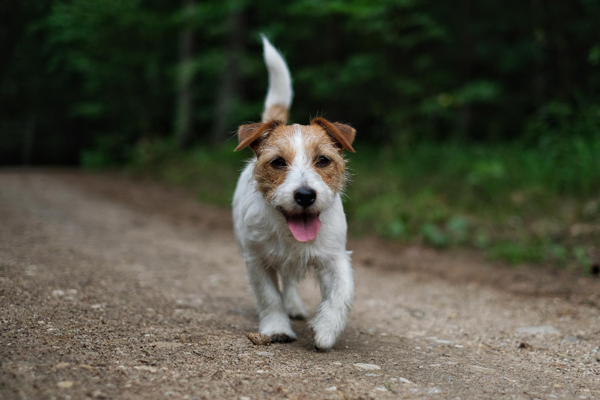
When your dog is feeling good, they'll usually look soft, loose, and friendly. Think of it as a "wiggly" happy feeling!
- Ears: Held naturally, not stiff or pressed back.
- Eyes: Soft gaze, no wrinkles on the forehead.
- Mouth: Relaxed, maybe slightly open with a gentle pant if active, or softly closed.
- Tail: Wagging in a wide, sweeping motion, often even with their body or slightly higher during play. It might even wag their whole body.
Overall, they’ll show loose, soft movements and look happy to be there.
2. Aggressive Dog Body Language
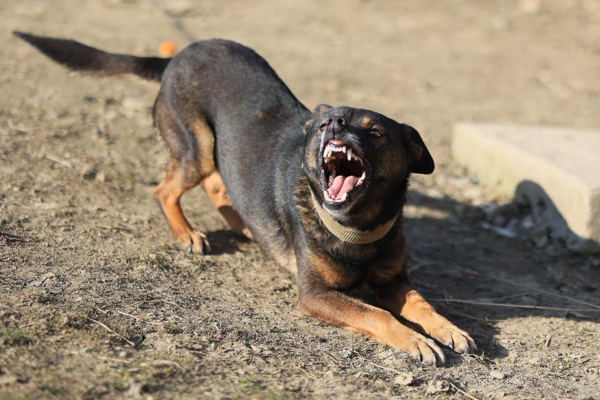
When a dog shows aggressive body language, it means they're ready to react to something they see as a threat. Aggression can come from fear or confidence, so the full body picture is important.
- Ears: Can be pinned back (if fearful aggression) or pricked forward/to the side (if confident aggression).
- Eyes: A hard, fixed stare at what's bothering them, with wrinkles on the forehead.
- Mouth: Tense, wrinkles on the muzzle, upper lip might be raised to show teeth (a snarl).
- Tail: Can be tucked low or rise high, often with a stiff, twitching wag. Again, depends on whether they are fearful or confident.
Overall, the body is rigid and tense with very little movement. Their fur might stand up along their back (called piloerection), and their weight might be shifted forward in a stiff, ready stance.
3. Alert & Curious Dog Body Language
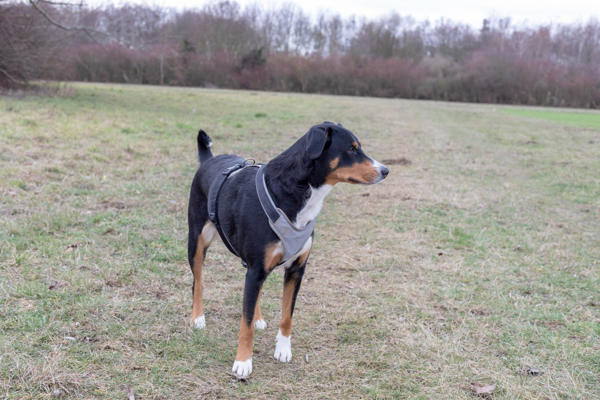
An alert dog is trying to figure things out, like when they hear a strange noise. They're focused and ready to respond.
- Ears: Perked up and pointed forward, trying to catch sounds.
- Eyes: Wide open and focused on what they're paying attention to. Their forehead is smooth.
- Mouth: Usually closed and calm.
- Tail: Held straight out from their body, possibly with a slight wag.
Overall, they’ll stand still, body weight balanced, ready to move if needed.
4. Fearful Dog Body Language
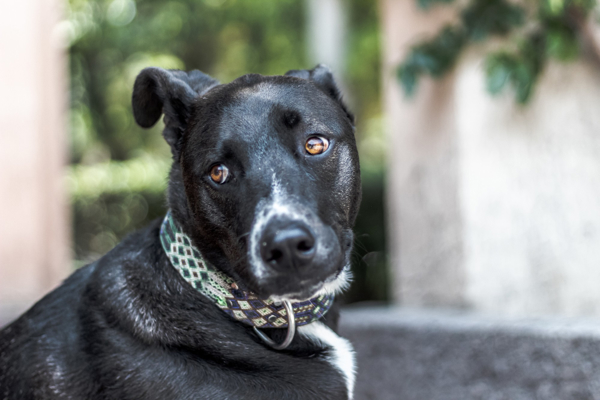
A fearful dog is scared and wants to avoid what's frightening them. They'll try to make themselves look smaller and less noticeable.
- Ears: Pinned tightly back against their head.
- Eyes: They might turn their head away but still look at the scary thing from the side, showing the whites of their eyes ("whale eyes").
- Mouth: Tightly closed with lips pulled back, or panting even if not hot.
- Tail: Tucked tightly between their legs and pressed against their belly.
Overall, the body is stiff and hunched low, trying to shrink away. Their weight is shifted backward.
5. Stressed or Nervous Dog Body Language
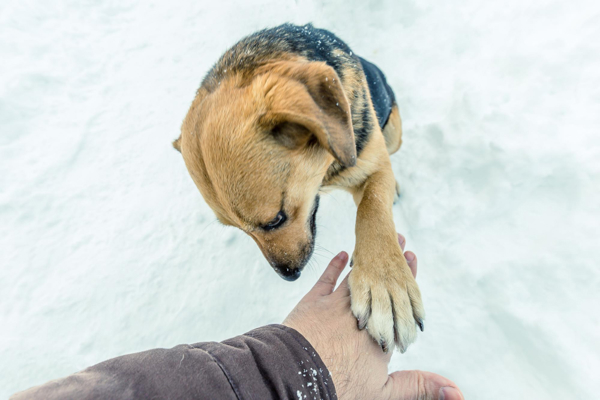
A stressed or uncomfortable dog might show similar signs to a nervous dog, but they also have special ways of trying to calm themselves down or signal that they're uneasy. These are often called "calming signals":
- Looking away or turning away: Trying to avoid what's bothering them.
- Lip licking or frequent yawning: Even when not tired.
- Sniffing the ground or scratching themselves: Doing something random to cope with stress.
- Shaking off: Like they're shaking off water, but they're shaking off tension.
- Moving slowly or freezing: Hesitating or stopping completely.
- Raising one paw.
- Eyes: Might avoid eye contact or quickly look at something, then look away.
Overall, their body might be tense, they might shed more hair, and their movements can seem jerky or hesitant. Regular care with the right dog grooming essentials can also help reduce discomfort and improve relaxation.
6. Appeasement Dog Body Language
What we used to call "submissive" is now often called appeasement. Here, your dog is trying to show they mean no harm and want to avoid conflict. They try to look small and non-threatening.
- Ears: Pinned back.
- Eyes: Avoiding eye contact, squinting.
- Mouth: Tense, might pull back lips in a "grin" (not a happy smile, but showing deference), or lick their muzzle a lot.
- Tail: Tucked low and might wag slowly and tightly.
Overall, the body is lowered, slow movements, and might even roll onto their back to expose their belly. They might also lift a front paw.
The Paw-fect Connection!
Learning to read your dog's body language is truly one of the greatest gifts you can give both yourself and your furry companion. It unlocks a deeper understanding of their thoughts, feelings, and needs, transforming frustration into patience and confusion into understanding. By taking the time to observe and truly listen with your eyes, you’ll see how every flick of an ear, every subtle tail wag, and every shift in posture is your dog's way of reaching out. Turning to their body language will build more trust, loyalty, and a better connection, creating a happier and healthier life for your canine and you.
Remember: Your dog is always talking. Are you ready to listen?


 Fay Smith

