
The First 30 Days With a Newly Adopted Rescue Dog: A Weekly Guide
This guide walks through what to expect week by week in the first month, what's normal versus what warrants a visit to the vet, and how to set up the foundation for a long, easy partnership with your new dog.
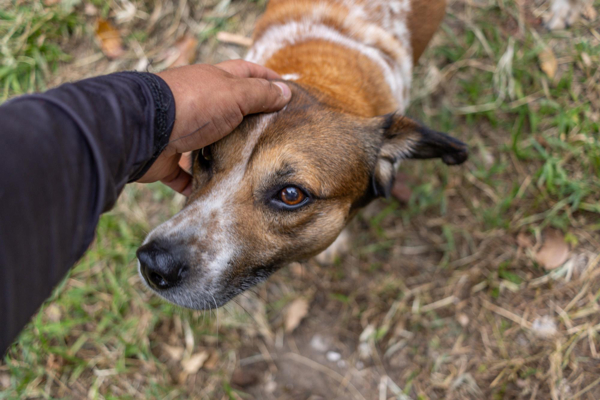
The first week with a newly adopted rescue dog is almost always harder than people expect. Not because the dog is difficult, but because the gap between expectation and reality is wider than most adopters anticipate.
Some may picture a dog who's grateful to be home, but what they may get is a dog who hides under the bed, won't eat for two days, and stares at the wall. These aren’t signs of a mistake, but of normal adjustments.
This guide walks through what to expect week by week in the first month, what's normal versus what warrants a visit to the vet, and how to set up the foundation for a long, easy partnership with your new dog.
Before We Start: the 3-3-3 Rule
Animal behaviorists use a simple shorthand for the rescue dog adjustment timeline:
-
3 days to decompress
-
3 weeks to start showing personality
-
3 months to fully bond
The single biggest source of new-adopter anxiety is treating week one as if it's the dog you signed up for. The dog you're meeting in week one is exhausted, displaced, and trying to figure out whether this new place is safe. In three months, you may believe you have an entirely different dog!
WEEK 1: Decompression
The goal of week one is not training, bonding, or socialization, but instead to help your new dog relax.
What to expect
-
A lot of sleeping: Many adopters mistake this for depression, but it's often not. Shelters and transport are stressful, and your dog is recovering from weeks of poor sleep.
-
Reduced appetite or skipped meals: Stress dampens appetite. As long as the dog is drinking water, missing a meal or two in week one is generally fine.
-
Hiding or sticking close to one spot: Dogs often pick a "safe place" (under a bed, behind a couch, in a corner) and retreat there. Don't force them out.
-
Minimal personality: The dog you're meeting in week one is a shadow of the dog you'll have in week four. Don't make judgments yet.
What to do
Keep the world small. One or two rooms, predictable schedule, minimal stimulation. Your dog doesn't need to meet the neighbors, see the dog park, or have a welcome party.
Establish a routine immediately. Same feeding times, walking times, and sleeping location. Predictability is what tells a stressed dog that they are safe.
Limit visitors. No matter how excited friends and family are to meet the new dog, the answer for week one is "give us a couple of weeks." Every new face is a cognitive load on a dog who's already overwhelmed.
Use a leash even indoors if needed. A long, light leash trailing behind your dog gives you a way to gently redirect them without grabbing or chasing, both of which can erode trust early.
When to call the vet
Most week-one behaviors are adjustments, but call your vet if you see:
-
Not eating for more than 48 hours
-
Vomiting or diarrhea lasting more than 24 hours
-
Blood in stool or urine
-
Lethargy that seems beyond exhaustion (not responding to food, name, or familiar people)
-
Limping or signs of pain that weren't present at adoption
Better to call about something minor than miss something serious. Most vets don't mind a check-in call.
WEEK 2: Routine
By week two, your dog should be showing the first signs of settling. The hiding lessens, appetite returns, and you might see her moving around the house with more confidence.
What to expect
-
The first glimpses of personality. Maybe the dog gets excited when you grab the leash, starts following you from room to room, or discovers a favorite toy.
-
Testing of household rules. As the dog becomes more confident, they'll test boundaries. Counter surfing, jumping on furniture, and getting into the trash will be typical behavior presented, and thankfully, it means they’re relaxing.
-
Increased vocalization. Some dogs go silent for the first week and then start barking, whining, or "talking" once they feel comfortable.
What to do
Begin basic structure. Now is when you can start establishing simple expectations: name response, sitting before meals, waiting at doors. Keep training sessions short (5–10 minutes) and reward-based.
Introduce one new thing per day, not five. A new room, a short car ride, or a different walking route. Building exposure gradually prevents overwhelm.
Start documenting what you notice. Energy levels, food preferences, and what makes them comfortable or uncomfortable. This is the beginning of understanding the dog you actually have.
Keep visitors limited, but begin reintroducing the wider world slowly. Maybe one calm friend over for a quiet visit by the end of the week. Keep your dog comfortable and calm when meeting new people by avoiding the dog park or the busy gathering.
WEEK 3: Expansion
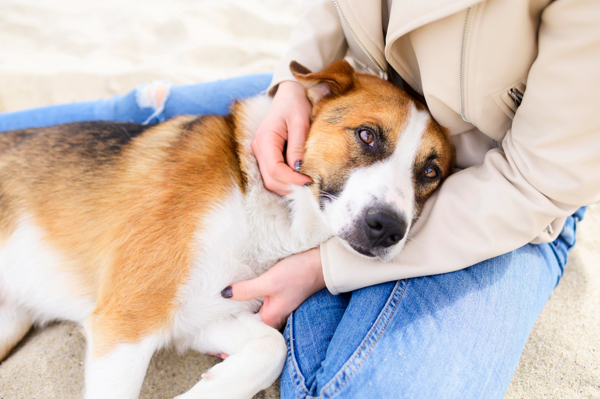
Week three is often when adopters start feeling like the relationship is real. The dog has settled into routines, knows their name, and is starting to bond with their new owner.
What to expect
-
Real bonding. The dog might start seeking you out for affection, leaning against your leg, sleeping at your feet, or following you around the house.
-
Emerging quirks. Maybe the dog is terrified of the vacuum or gets weird about food bowls. These traits were always there; they're just now visible because the dog is relaxed enough to express them.
-
Possible regression. Some dogs have a "shutdown" moment around week three when they realize this is permanent. They might become more anxious before they become more confident. This usually passes within a few days.
What to do
Slowly expand the world. New walking routes, controlled introductions to other dogs (one calm dog at a time, not a dog park), and short visits to dog-friendly outdoor spots.
Begin formal training if you haven't already. Positive reinforcement only will work best. Aversive methods, shock collars, or other "alpha" techniques should always be avoided. A 6-week basic obedience class is one of the best investments you can make.
Watch for specific concerns:
-
Resource guarding (growling over food, toys, or beds) is manageable with proper protocols, but worth getting professional help early.
-
Separation anxiety (panic when left alone, destruction, vocalization) is common in rescue dogs, very treatable with gradual desensitization.
-
Fear responses to specific triggers (men, hats, umbrellas, cars) are almost always tied to past experience, manageable with patience.
Know when to call a professional. If any concerning behavior is escalating, get a certified positive-reinforcement trainer involved early. Issues are far easier to address in week three than in month six.
WEEK 4: Settling In
By the end of week four, you should have a clearer sense of who your dog actually is. The dog from adoption day and the dog at week four often feel like different animals.
What to expect
-
Clear personality. Energy level, social preferences, food motivation, and play style should be visible by now.
-
A stable routine. Feeding, walking, and sleeping should all be running on autopilot.
-
A few remaining adjustment behaviors. Mild anxiety, occasional regression, and lingering quirks will continue to fade.
What to do
Reassess what's working. Is the feeding schedule sustainable? Is the walking routine enough exercise? Is the dog getting too much or too little stimulation? Adjust as needed.
Schedule a wellness check. If you haven't already had a baseline vet visit, now is the time. Establish a relationship with a vet you trust, get baseline bloodwork, and confirm vaccines and parasite preventatives are up to date.
Take stock physically. Judge how well the dog has adjusted by assessing their body condition. Is their coat improving? Are their energy levels appropriate for their age? These are signals about how well the transition is going.
Beyond 30 days: What to Expect at Month Three
The 3-3-3 rule notes that full bonding typically takes about three months. Many adopters report that the "real dog" shows up around month three, confident, comfortable, and fully expressive.
This can be a wonderful surprise or a challenging one. Sometimes the calm, gentle dog of week one becomes a high-energy, playful dog by month three. Sometimes the sweet dog of week two reveals a previously hidden anxiety or reactivity that needs addressing. Both scenarios are normal.
The key is to keep doing the work: consistent routines, positive training, gradual exposure to new experiences, and patience with the things that take longer to resolve.
A Few Final Principles
Adjust your expectations of "training"
The first 30 days are not about teaching commands, but showing your dog that this home is safe and you are reliable. Once that foundation is in place, formal training becomes much easier. Skip the foundation, and training becomes a struggle.
Resist comparison
Your new dog isn't your previous dog, your friend's dog, or the dog you saw online, but a specific dog with their own history, now adjusting to a new environment. Comparison is the fastest route to frustration.
Find your community
Other rescue adopters are an underrated resource. They've been through this, so they know what's normal and which trainers are worth it. Aggregator platforms often link to local rescue groups, training resources, and adopter communities, which can be useful both during your search and after you've brought your dog home.
Trust the timeline
The hardest weeks are the early ones. The relationship gets easier and better every week that follows. A rescue dog who's been with you for a year is a different animal than the one who walked in on day one, and you'll be a different owner, too.
Once you have built a stable foundation, you can do even more to strengthen the bond between you and your dog.
Conclusion
You signed up for this for a reason, so just trust the process and gain an amazing furry companion!


 Fay Smith

