
Early Pregnancy Care and Risk Management in Chondrodystrophic Breeds: A Guide for Responsible Breeders
Early pregnancy is often viewed as a quiet phase—subtle and relatively low-risk. In reality, it is one of the most critical windows for long-term outcomes, particularly in chondrodystrophic breeds such as Dachshunds, Corgis, and Basset Hounds.
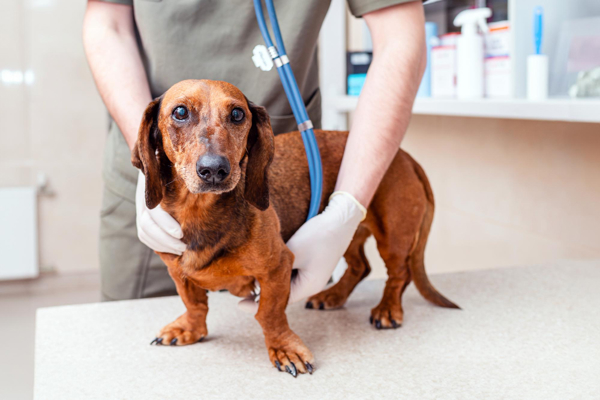
Early pregnancy is often viewed as a quiet phase—subtle and relatively low-risk. In reality, it is one of the most critical windows for long-term outcomes, particularly in chondrodystrophic breeds such as Dachshunds, Corgis, and Basset Hounds.
These breeds carry distinct structural and genetic traits that shape how their bodies respond to even minor physiological changes. Pregnancy does not introduce new risks; rather, it amplifies existing vulnerabilities— especially those related to spinal integrity, joint stability, and weight distribution. Even small imbalances can place disproportionate strain on already sensitive areas.
For responsible breeders, early pregnancy care goes beyond maintaining basic comfort. It involves recognizing subtle changes early, managing risk proactively, and creating a stable foundation that supports both the dam and her developing litter.
Why Early Pregnancy Carries a Higher Risk in Chondrodystrophic Breeds
Chondrodystrophic breeds are defined by their long backs and relatively short limbs—a structure that, while characteristic, comes with important biomechanical trade-offs. The spine is subjected to greater mechanical stress, while joints carry uneven load distribution over time.
During early pregnancy, hormonal changes begin to alter ligament flexibility and body balance—even before visible weight gain occurs. These shifts can influence posture, movement, and stability. In breeds predisposed to intervertebral disc disease (IVDD) and joint instability, even minor changes can increase strain on vulnerable areas.
Pregnancy itself is not the root cause of these risks; it acts as a physiological multiplier. Conditions that might otherwise remain mild or unnoticed can become more pronounced under the added demands of early gestation.
In many cases, early indicators are not signs of decline, but signals that the body is compensating for underlying strain. What makes this stage critical is that risk escalation often begins before obvious symptoms appear. By the time visible discomfort develops, underlying strain may already be established.
For this reason, early-stage monitoring—focused on subtle changes rather than overt signs—is especially valuable in these breeds.
Early Pregnancy Observations: What Breeders Should Monitor
The early stages of pregnancy are rarely marked by dramatic physical changes. Instead, they appear as subtle, repeatable shifts in behavior and physiology—often easy to overlook without consistent observation.
Rather than focusing on isolated incidents, breeders should watch for patterns that persist or gradually intensify over time. The following areas deserve particular attention:
Appetite and Feeding Behavior
Consistency matters more than occasional fluctuation. Mild changes can be normal, but the following patterns may indicate early discomfort or physiological stress:
-
Persistent reduction in appetite
-
Selective eating or food refusal
-
Sudden aversion to previously accepted food
Behavioral Changes
Shifts in temperament can reflect internal changes before physical symptoms develop. Owners should monitor:
-
Unusual withdrawal or reduced interaction
-
Restlessness or inability to settle
-
Decreased tolerance to handling or routine contact
While some variation is expected, consistent behavioral changes should not be dismissed as routine temperament shifts.
Posture and Movement
Early physical strain often appears in how the dam moves or positions herself. Watch for:
-
Stiffness when rising or lying down
-
Hesitation before jumping or climbing
-
Preference for specific resting positions
-
Slight changes in gait or weight distribution
In chondrodystrophic breeds, these small indicators often appear before more obvious orthopedic or neurological symptoms.
Nutrition and Weight Management: The Foundation of Risk Control
One of the most common misconceptions in early pregnancy care is that feeding should increase immediately. In reality, excessive calorie intake during the early stages often creates more risk than benefit.
Rapid or unnecessary weight gain places additional pressure on the spine and joints—areas already under structural strain in chondrodystrophic breeds. Over time, this added load can contribute to discomfort, reduced mobility, and a higher likelihood of long-term orthopedic complications.
Instead, the focus should remain on nutritional balance rather than increased quantity. A high-quality, easily digestible diet that supports steady energy levels is far more beneficial than increasing portion sizes too early. Gradual adjustments—based on body condition rather than assumption—help maintain stability during this phase.
For breed-specific considerations—particularly in Dachshunds, where spinal health is closely linked to weight management—a more detailed, stage-based approach to feeding can be helpful (see this detailed Dachshund pregnancy guide for practical feeding strategies and early-stage care recommendations).
Hydration should also be monitored consistently. Even mild dehydration can affect overall condition, energy levels, and nutrient utilization during early pregnancy.
In this stage, precision is more valuable than excess. Controlled feeding, steady weight management, and careful observation provide a stronger foundation than early overcompensation.
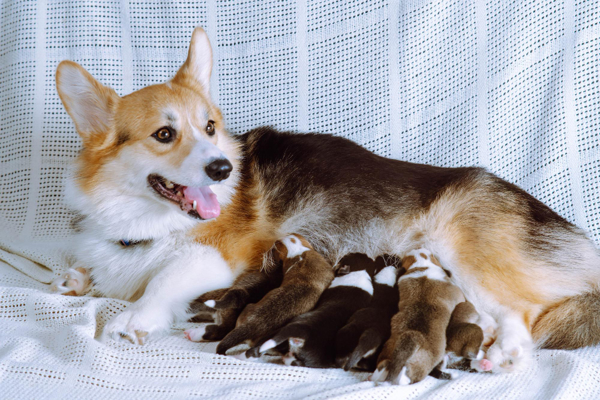
Safe Movement and Environmental Management
Contrary to common belief, complete activity restriction is not the goal. Controlled, low-impact movement plays an important role in maintaining muscle tone, circulation, and overall stability during early pregnancy.
Short, consistent walks on non-slip surfaces are ideal. These help preserve strength and coordination without placing unnecessary strain on the spine or joints. However, sudden bursts of activity, rough play, or high-impact movements should be avoided, as they can introduce stress on structurally sensitive areas.
Environmental setup is equally important. Even minor slips—especially on smooth flooring—can place repeated strain on joints and the spine over time. To reduce this risk, breeders should ensure:
-
Stable footing using rugs, mats, or textured surfaces
-
Clear, obstacle-free walking areas
-
Consistent access to safe resting spaces
Certain everyday movements should also be limited, as they contribute to cumulative strain:
-
Jumping on and off furniture
-
Frequent or uncontrolled stair use
-
Sudden elevation changes without support
While these actions may appear harmless, their repeated impact can become significant—particularly as pregnancy progresses and body mechanics shift.
The goal is not to limit movement, but to control how and where it occurs. Maintaining this balance helps reduce unnecessary strain while allowing the dam to remain active and stable.
Early Warning Signs That Require Veterinary Attention
In chondrodystrophic breeds, early warning signs are often subtle and easy to overlook—yet they frequently appear before more serious issues develop. Recognizing these indicators allows for timely intervention and can significantly improve outcomes.
Rather than waiting for obvious symptoms, breeders should remain alert to the following patterns:
Energy and Activity Changes
Persistent lethargy—beyond normal fatigue—should be monitored closely. Watch for:
-
Noticeable decline in energy levels
-
Reluctance to move or engage in routine activity
-
Increased time spent resting without a clear reason
These changes may reflect underlying discomfort or early physiological stress.
Pain-Related Behavior
Pain is not always expressed through vocalization. In many cases, it presents as subtle behavioral resistance, such as:
-
Guarding certain areas of the body
-
Stiffness during movement or handling
-
Reduced tolerance to touch or lifting
Even slight changes in response to routine handling can be meaningful and should not be overlooked.
Movement and Coordination Changes
Alterations in movement are particularly important in these breeds. Monitor for:
-
Uneven gait or weight distribution
-
Hesitation before movement or position changes
-
Repeated adjustments in stance or posture
-
Subtle coordination issues
These signs may indicate developing strain, instability, or early neurological involvement.
What many breeders underestimate is that behavioral changes often precede visible physical symptoms. By the time clear signs appear, underlying issues may already be progressing. Early recognition, careful documentation, and prompt veterinary consultation are key to preventing escalation.
Veterinary Monitoring and Early Intervention Strategy
Establishing veterinary oversight early in pregnancy provides a structured framework for monitoring health and managing potential risks. Rather than reacting to problems as they arise, this approach allows breeders to make informed decisions based on observation and clinical guidance.
An initial veterinary check during early pregnancy helps confirm overall health status and identify any pre-existing conditions that may influence gestation. This is particularly important in chondrodystrophic breeds, where underlying spinal or orthopedic predispositions may not always be immediately visible.
Ongoing follow-up is not always required in the absence of concerning signs. However, breeders should maintain clear communication with their veterinarian and be prepared to act if patterns begin to change. Even subtle shifts in behavior, movement, or condition can warrant professional input.
Diagnostic imaging is not routinely necessary during early pregnancy, but it may be considered in specific situations, such as:
-
Signs of persistent pain or discomfort
-
Abnormal movement or gait changes
-
Known history of spinal or joint-related issues
In these cases, early evaluation can help clarify risk and guide appropriate management.
The goal is not over-intervention, but measured, evidence-based decision-making. A balanced approach—combining observation with timely veterinary involvement—provides the best support for both the dam and the developing litter.
Breeding Risk Management and Genetic Responsibility
Effective pregnancy management begins well before conception. Pairing decisions play a defining role in determining overall risk, particularly in chondrodystrophic breeds with known structural and genetic predispositions.
Careful evaluation of lineage is essential. Breeders should look beyond individual cases and assess patterns across generations, including:
-
History of intervertebral disc disease (IVDD)
-
Early-onset mobility or neurological issues
-
Recurring orthopedic conditions such as joint instability or lameness
While isolated incidents may not indicate significant risk, consistent or repeating patterns within a line should be approached with caution.
Repeating high-risk pairings without evaluating outcomes can increase the likelihood of inherited vulnerabilities. Over time, this can affect not only individual litters but also the overall health trajectory of a breeding program. Responsible breeding involves not only selecting for desirable traits but also minimizing preventable risks through informed pairing decisions.
Equally important is transparency. Maintaining clear records of health history, pairing outcomes, and observed issues supports better decision-making and reinforces ethical breeding standards. It also allows breeders to communicate openly with future owners and veterinary professionals.
In practice, genetic responsibility is not a one-time decision—it is a continuous process of evaluation, adjustment, and accountability.
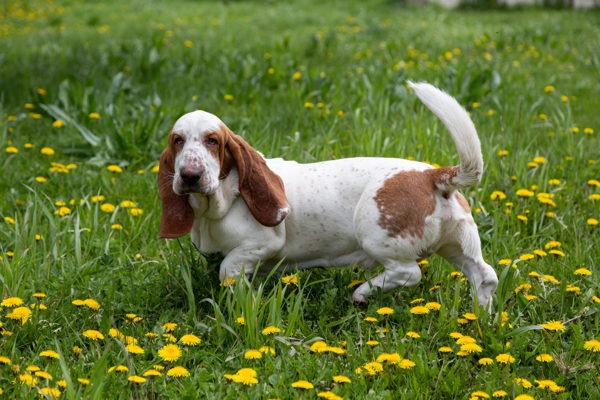
Preparing for the Later Half of Pregnancy Starts Early
The foundation for a stable mid-to-late pregnancy phase is established during the earliest weeks. Decisions made at this stage directly influence how well the dam adapts as physical demands increase.
Maintaining controlled weight, structured movement, and consistent monitoring creates a more predictable progression. These early measures help reduce strain on the spine and joints, allowing the body to adjust more efficiently as pregnancy advances. In many cases, small, well-timed adjustments early can prevent more significant complications later.
Environmental preparation should also begin during this phase. Breeders should focus on creating a space that supports safety and stability, including:
-
Comfortable, well-supported resting areas
-
Non-slip surfaces to reduce movement-related strain
-
A calm, low-stress environment with minimal hazards
Establishing these conditions early allows routines to form naturally, reducing the need for sudden changes as pregnancy progresses.
Ultimately, early preparation shifts the approach from reactive management to planned, structured care—supporting a smoother transition into later stages of pregnancy.
Common Mistakes to Avoid
Many early pregnancy complications arise not from neglect, but from well-intentioned misjudgments. Small decisions—when repeated consistently—can have a cumulative impact on the dam’s health and overall outcome.
The most common mistakes include:
Overfeeding Too Early
Increasing food intake prematurely is a frequent error. Excess weight gained during early pregnancy places strain on the spine and joints and can complicate mobility and later-stage development.
Dismissing Subtle Warning Signs
Early indicators of discomfort are often overlooked as normal variation. However, consistent changes in behavior, appetite, or movement should always be taken seriously and monitored closely.
Ignoring Environmental Risks
Seemingly minor factors—such as slippery flooring, frequent jumping, or uncontrolled movement—can contribute to cumulative physical stress over time, affecting stability and comfort.
Delaying Veterinary Consultation
Waiting too long to seek veterinary input when concerns arise can allow minor issues to progress into more significant problems. Early guidance often prevents complications.
Avoiding these mistakes is rarely about doing more—it is about doing the right things consistently and with intention. Careful observation, timely action, and structured management form the foundation of effective early pregnancy care.
Documentation and Responsible Breeder Practices
Accurate documentation is a fundamental component of responsible breeding. Consistent record-keeping allows breeders to move beyond assumptions and rely on objective observation over time.
Key areas to document throughout early pregnancy include:
-
Appetite patterns and feeding consistency
-
Behavioral changes or temperament shifts
-
Movement, posture, and activity levels
-
Any signs of discomfort or irregularity
Maintaining clear, dated records provides valuable reference points for veterinary consultations and helps identify patterns that may not be obvious in daily observation. This approach supports more informed decision-making and timely intervention when needed.
Documentation also plays a critical role in transparency. Sharing relevant records with future owners helps set realistic expectations and demonstrates a commitment to responsible breeding. It reinforces that the puppy’s health is based on careful monitoring and informed management from the earliest stages.
Ultimately, thorough documentation allows breeders to present not just a healthy puppy, but a well-managed pregnancy history—strengthening trust, accountability, and long-term credibility.
Conclusion
Early pregnancy in chondrodystrophic breeds is not a passive phase—it is a period where small, consistent decisions shape long-term outcomes. What may appear subtle at this stage often carries lasting implications for both the dam and her developing litter.
By prioritizing careful observation, controlled management, and timely intervention, breeders can reduce risk and support a more stable, predictable pregnancy progression. In these breeds, proactive care is far more effective than reactive correction.
Ultimately, responsible breeding is not defined by how problems are handled after they arise, but by the ability to recognize, anticipate, and manage risk before it develops.


 Muhammad Saad

