
Responsible Breeding and Early Veterinary Screening
Responsible dog breeding and early veterinary screening are two key components that can be used to create long-term, healthy, and happy lives for dogs. The combination of responsible dog breeding practices with rigorous veterinary screening can lead to a reduction in the incidence of genetic disease and an increase in the number of happy, well-adjusted dogs.
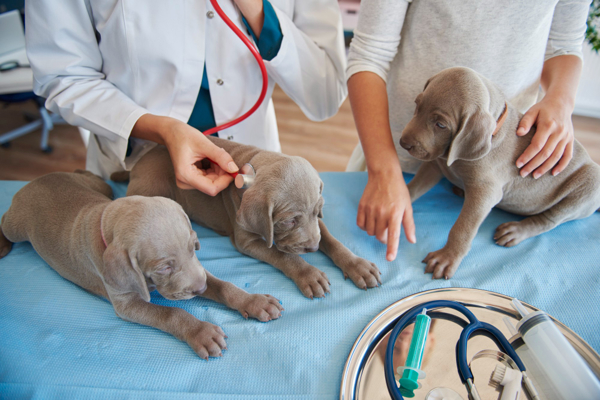
Responsible dog breeding and early veterinary screening are two key components that can be used to create long-term, healthy, and happy lives for dogs. The combination of responsible dog breeding practices with rigorous veterinary screening can lead to a reduction in the incidence of genetic disease and an increase in the number of happy, well-adjusted dogs.
Below is a comprehensive review of the best practices and science-based information regarding responsible dog breeding and early veterinary screening of dogs, including references to reputable resources.
The Foundations of Responsible Breeding
The primary goal of responsible dog breeding is to improve the welfare of parent dogs as well as their offspring. Responsible breeders focus on genetics, temperament, and adherence to breed standards so that they can create happy, healthy pets who will succeed in their environment.
The opposite end of the spectrum is irresponsible breeding, which typically focuses on profit rather than the welfare of animals, and consequently leads to an increase in hereditary diseases and behavioral problems in many puppies.
Some of the most important characteristics of responsible breeding are: Careful and comprehensive pre-breeding health screenings of all breeding stock, the maintenance of accurate pedigree and health history records, the promotion of genetic diversity while avoiding inbreeding, and the provision of high-quality nutrition, veterinary care, and socialization of breeding stock and of all puppies.
Core Principles of Ethical Dog Breeding
Health Screening and Genetic Testing
In addition to having both the male (sire) and female (dam) go through an appropriate Veterinary Health Check specific to the breed prior to beginning a breeding program, these will usually consist of physical exams, blood rests for infectious diseases and hereditary disorders, orthopedic evaluations (hip and elbow radiographs), echocardiograms and/or other cardiac evaluations, eye exams (Ophthalmology), and DNA testing for specific genetic disorders that are common in certain breeds (PRA, EIC, MDR1 mutation, etc.).
Genetic testing can be particularly important when considering breeds that have a propensity for inherited problems such as hip dysplasia, heart disease, or various forms of cancer.
Responsible breeders will utilize the information from these tests to make sure they are not pairing two dogs that would produce offspring that could have been at risk of inheriting potentially debilitating genes; thus making it less likely for those puppies to develop an inherited problem.
Evaluation of Temperament
Temperament is an inherited trait, and therefore, breeders should evaluate their dogs to determine if they have a temperament that is consistent and suitable for families. Evaluating the parents of a litter of puppies by professionals or veterinarians can help to reduce the likelihood of a puppy inheriting a temperament that will be a problem and develop into a behavioral disorder.
Adherence to Breed Standards and Animal Welfare
Breeders who are responsible want to maintain the specific characteristics of each breed that have been established by kennel clubs and breed associations. However, they cannot do so at the expense of animal health and welfare. Excessive breeding practices, such as those seen in some high-risk breeds with extreme physical characteristics, such as brachycephalic dogs, create unnecessary pain and suffering for animals.
Avoidance of Overbreeding and Inbreeding
To decrease the frequency of inherited diseases, genetic diversity must exist in breeding stock. The process of selective mating among breeders is used to avoid close inbreeding (i.e., sibling to sibling, parent to offspring, etc.) and limit the number of litters a dam produces to maintain her overall health.
Why Early Veterinary Screening? And What Should It Look Like?
While many people think of veterinary screening in terms of a one-time assessment, it is much more of a continuum that spans from pre-breeding evaluation, through puppyhood, into adulthood.
Pre-Breeding Evaluation
Prior to breeding, each intended parent undergoes comprehensive veterinary health evaluations. These evaluations assess for genetic (or inherited) health concerns that are hidden or have no symptoms; pregnancy complications due to infectious disease and those that can be transmitted to pups; and breeding potential is based on age, weight, and body condition. The absence of such an evaluation may result in serious inherited genetic or infectious diseases being transferred to many future generations of dogs.
Early Neonatal and Puppy Evaluations
Care for newborn puppies involves monitoring for congenital defects (for example, heart murmurs, cleft palate); initial examinations after birth, vaccinations, and screenings for parasites and/or infectious disease; and assessments for socialization and behaviors.
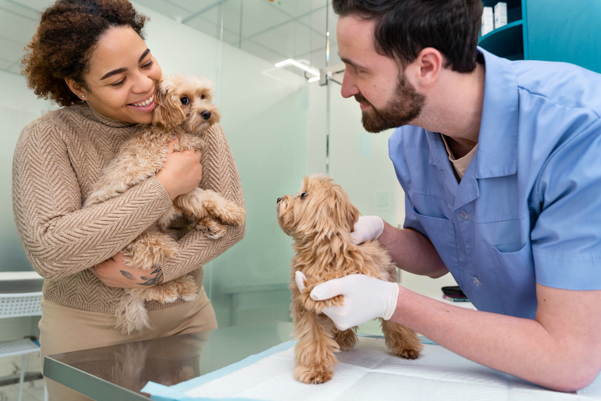
Identifying health problems in the earliest stages increases the likelihood of successful treatments and helps ensure proper veterinary care. Screening is ongoing throughout a dog's life span. Regular annual/bi-annual exams are essential as your dog matures and grows older. The exams should include dental, orthopedic, and eye exams; blood and urine testing to screen for early indicators of organ failure; and behavioral assessments.
The ongoing examination of your pet helps to monitor and manage chronic and/or aging-related health problems in their most treatable form, thereby contributing to optimal quality of life and longevity.
The Impact of Responsible Breeding and Early Veterinary Screening
Genetic Disorders Prevention
Screening and responsibly breeding will prevent and lessen the likelihood of genetic problems such as hip dysplasia, eye issues, and inherited cancer. Purebred dogs are at a higher risk because they have a lower gene pool than mixed-breed dogs.
Temperament in Dogs
Dogs that are bred from temperament-tested parents and were raised in a rich and social environment will most likely grow up to be calm and friendly animals. Responsible breeding practices early on in a dog's life will also lessen the amount of aggression, anxiety, and fear-based behaviors in pets.
Reducing Shelter Overpopulation/Euthanasia
Responsible breeders only breed when there is a need for the puppies and when they have a home lined up for them. This will help keep the number of unwanted and abandoned dogs low; this will decrease the number of dogs being put down in shelters.
Enhancing Education and Transparency
Responsible breeders will provide puppy buyers with a wealth of knowledge on how to care for their specific breed, what they can expect their dog's lifetime needs to be, and the ongoing need for veterinary care. Breeders will provide documentation regarding all of the health screening that has been performed by the breeder or parents of the puppy and assist the buyer in making informed choices that are best for their new pet throughout their dog's life.
International Guidelines and Resources
Many organizations around the world have developed guidelines and resources for responsible breeding practices. Many of these organizations develop and maintain resources and formal guidelines, including recommendations for health testing based upon specific breeds; ethical codes of conduct for responsible breeders; and online databases for health testing results (such as the Orthopedic Foundation for Animals, OFA database).
The European Union provides an additional level of regulation of dog breeding through food safety and animal welfare directives requiring responsible breeders to prioritize health and genetic soundness over aesthetic considerations when producing dogs.
Practical Steps for Prospective Breeders
-
Before you start your breeding program, meet with a veterinarian to determine what health evaluations and genetic testing are needed for this breed.
-
Find national or local kennel clubs to obtain information regarding health evaluations, genetic testing databases, and other breed-specific information to help you make informed decisions.
-
Breed only when you have identified adequate homes for each puppy.
-
Maintain accurate medical and breeding history to assure accountability and transparency.
-
Dedicate yourself to learning and keeping up to date as new developments occur in science and veterinary medicine.
Early Veterinary Involvement
It is important to develop an ongoing working relationship with your veterinarian early in the process. Your veterinarian will be able to evaluate and screen for diseases/health issues associated with reproduction and pregnancy, guide you with nutritional recommendations, preventatives, and puppy socialization programs, and aid you in making informed decisions based on evidence that will support healthy maternal/puppy relationships from conception through the end of the breeding cycle.
Common Misconceptions about Responsible Breeding
Some irresponsible breeders misinterpret the idea that if a small number of healthy ancestors are present in a bloodline, then the puppies will be healthy as well. Unfortunately, most genetic defects in pets are recessive and therefore do not show up until it is too late, when the pet develops serious symptoms; therefore, they cannot be determined by simply looking at your pet's parents.
Other irresponsible breeders downplay the impact of behavioral assessment on the dog's temperament, while failing to acknowledge how much of that temperament is genetically influenced.
In addition, all healthy breeding dogs require time off from breeding to recover and for their entire life to receive support, particularly as they grow older.
Ethics and Community Responsibilities
Many veterinarians and animal welfare organizations are concerned about the ethical implications of some types of breeding due to the extreme physical characteristics of popular breeds. These individuals advocate against irresponsible breeding for aesthetics, such as extreme brachycephaly (flat face) and dwarfism (short stature), rather than considering the health of the puppies.
A responsible breeder is not just interested in a pet's genetics, but also in the animal's overall well-being, education of the public regarding animal care, and in providing a safe and nurturing environment for their companion animals.
Conclusion
Ethical dog breeding and veterinary health evaluation of young dogs will help improve the physical and behavioral health of all dogs. Adhering to established guidelines, being transparent about the process of breeding, and emphasizing the welfare of the animal, rather than appearance or financial gain, can help ensure a healthy and happy life for future generations of dogs.
Establishing a close relationship between a veterinarian and breeder, encouraging ongoing educational opportunities for both the breeder and veterinarian, and making decisions based upon the best interest of the animal will be beneficial to both the animal and society.


 Muhammad Saad

