
Keeping Records: Why Tracking Your Dog’s Medical History Matters
One of the most important — yet often overlooked — aspects of your dog’s well-being is maintaining accurate and detailed medical records. Just like humans, dogs benefit from a documented medical history that can help veterinarians diagnose issues, prevent disease, and deliver better care over a lifetime.

Responsible pet ownership goes far beyond providing food, love, and shelter. One of the most important — yet often overlooked — aspects of your dog’s well-being is maintaining accurate and detailed medical records. Just like humans, dogs benefit from a documented medical history that can help veterinarians diagnose issues, prevent disease, and deliver better care over a lifetime.
Whether you’re a new puppy parent or a seasoned dog owner, this guide will walk you through why keeping your dog’s medical history is essential, what to include, and how to stay organized in accordance with established medical guidelines.
Why Dog Medical Records Matter
Your dog’s medical records serve as a complete health snapshot, making it easier to spot patterns, address chronic conditions, and avoid unnecessary or duplicate treatments. Here's how thorough documentation benefits both you and your vet:
-
Better Emergency Care
In the event of an accident or sudden illness, having your dog’s medical history on hand can make a significant difference. Emergency vets can quickly access crucial information like: Current medications, allergies, pre-existing conditions, and past surgeries. With this context, they can make faster and safer treatment decisions under pressure.
-
Improved Diagnosis and Preventative Care
Tracking your dog’s vaccinations, lab work, and checkups ensures that nothing slips through the cracks. If your dog develops a recurring health issue, a well-documented medical record helps identify patterns that might otherwise go unnoticed. Regular vet visits — ideally once a year for healthy adults and more frequently for puppies or senior dogs — should always be recorded in line with medical guidelines established by veterinary professionals.
-
Travel, Boarding, and Grooming Compliance
Traveling across state or international borders, boarding your dog, or visiting professional groomers often requires up-to-date vaccination records. Without quick access to this information, you may face delays or be denied services altogether.
-
Legal Protection and Breed Verification
Medical records can also serve as legal documentation if you ever need to prove ownership, resolve a dispute, or verify your dog’s breed or health status. This is particularly important for breeders and owners of registered purebred dogs.
What to Include in Your Dog’s Medical Records
Building a comprehensive medical file for your dog doesn’t have to be complicated. Here’s a checklist of what you should include:
Vaccination Records
- Core vaccines (rabies, distemper, parvovirus)
- Non-core vaccines (Bordetella, Lyme disease)
- Dates of administration and next due dates
Medications and Supplements
- Prescriptions for chronic conditions (e.g., arthritis, allergies)
- Flea, tick, and heartworm preventatives
- Dosage and frequency
- Any side effects experienced
Veterinary Visits
- Annual wellness exams
- Specialist consultations
- Emergency visits
- Notes from each visit (diagnoses, recommendations, follow-ups)
Lab Work and Diagnostic Tests
- Blood panels
- X-rays
- Urinalysis
- Genetic testing (especially for breed-specific risks)
Surgeries and Procedures
- Spay or neuter documentation
- Dental cleanings or extractions
- Any other surgical history
Breed and Genetic Information
- Results from DNA testing
- Known hereditary risks
- Preventive care aligned with breed-specific medical guidelines
Photographs and Physical Changes
- Pictures documenting changes in weight, fur condition, or skin issues
- Growth tracking in puppies
- Records of injuries or tumors

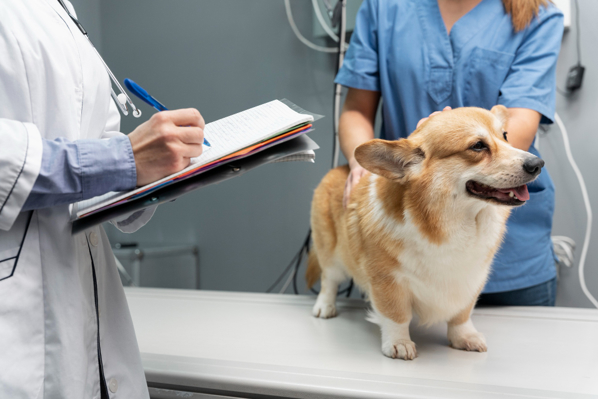
How to Organize Your Dog’s Medical Records
Staying organized ensures that you’ll be able to access key information whenever it’s needed. There are a few different ways to keep your records:
Physical Folder or Binder
Keep hard copies of receipts, lab reports, and vaccination certificates in a labeled binder. Use dividers to separate categories like vet visits, medications, and test results.
Digital Apps and Tools
Apps like Pawprint, PetDesk, and VitusVet allow you to store, sync, and share your pet’s health records electronically. Many of these apps follow modern medical guidelines for data privacy and veterinary documentation standards.
Cloud Storage
If you prefer a custom solution, use Google Drive or Dropbox to upload scanned documents or digital files. Be sure to label folders clearly and keep backups.
Tips for Maintaining Accurate Records
- Request a copy after every vet visit – Don't rely on memory. Ask your veterinarian to email or print a detailed report.
- Log behavioral changes – Sometimes, subtle signs like increased thirst or fatigue are early indicators of bigger health concerns.
- Set reminders for recurring treatments – Use calendars or apps to stay ahead of vaccine boosters, flea treatments, or vet appointments.
- Update records when switching vets – Transfer your full file to the new clinic to maintain continuity of care.
- Educate family members – Ensure everyone involved in your dog’s care knows where records are kept and how to update them.
Medical Records and Breeding Considerations
If you're a breeder, medical records are not only essential — they’re required by most kennel clubs and canine registries. Detailed documentation ensures that breeding decisions follow ethical and genetic medical guidelines, reducing the risk of hereditary conditions and improving the overall health of the breed.
The Continental Kennel Club (CKC) encourages breeders to submit and maintain clear, accurate health histories as part of responsible breeding programs. This not only ensures the welfare of the puppies but also protects the integrity of CKC-registered dogs.
Final Thoughts
Tracking your dog’s medical history may seem like a chore at first, but it’s one of the most impactful things you can do as a pet owner. Well-maintained records empower you to advocate for your dog, spot health concerns early, and ensure they get the best care possible. By following established veterinary medical guidelines, you'll be better prepared for emergencies, more informed in your decisions, and more likely to provide a long, healthy life for your canine companion.


 Muhammad Saad

