
Cross Country Moves With Puppies: Planning Around Early Development Stages
The decisions you make about timing, routine, and environment during a cross-country move with puppies can have real, lasting effects on their temperament, making this a very different kind of relocation checklist.
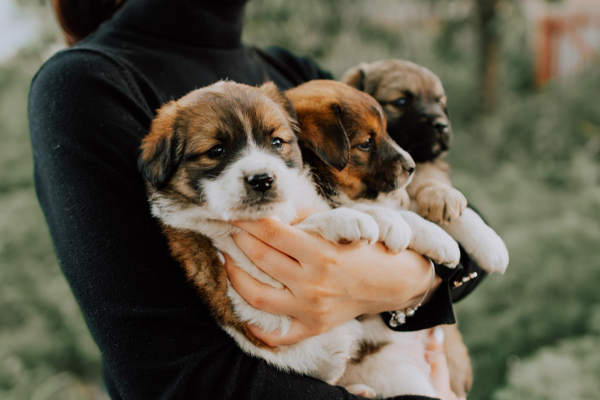
Moving coast to coast is stressful enough for adults who understand what's happening. For a puppy still forming its first associations with the world, a cross-country move can land right in the middle of some of the most sensitive weeks of its life.
The decisions you make about timing, routine, and environment during a cross-country move with puppies can have real, lasting effects on their temperament, making this a very different kind of relocation checklist.
Why Puppy Development Makes Timing Everything
A puppy's brain is not simply a smaller version of an adult dog's brain. It is actively under construction, shaped by every experience it encounters in the early months.
Disruption during certain periods doesn't just cause temporary stress. It can influence how a dog responds to novelty, strangers, and change for the rest of its life.
What Developmental Stage Is Your Puppy In?
The answer to this question should anchor all your moving plans. Each stage carries different vulnerabilities and different opportunities.
A puppy between three and twelve weeks is in its primary socialization window, when new experiences are absorbed with curiosity rather than fear. From twelve to sixteen weeks, that window narrows.
For a full breakdown of what to expect at each phase, a guide to the 5 stages of growth in dogs maps out how needs shift from the neonatal period through adolescence. Knowing exactly where your puppy falls on that timeline helps you plan the move around its brain, not just around the calendar.
Cross Country Moves With Puppies: Timing Your Relocation
If you have any flexibility in your move date, use it deliberately.
Moving during the eight-to-twelve-week window is generally the most forgiving option, because puppies at this age are wired to adapt to new environments.
Moving during weeks three through eight is riskier, since the puppy is still in peak socialization formation and may not have the resilience yet to process abrupt environmental change. After sixteen weeks, established habits and attachments make transitions harder to manage.
How Does Age Affect the Move Itself?
A younger puppy's needs during the journey are different from an older one's.
Very young puppies tire more easily, are more sensitive to temperature extremes, and have weaker immune systems — all factors to account for on a multi-day drive or flight. Planning rest stops, keeping the travel environment calm, and bringing familiar-scented bedding can all help minimize their discomfort during the transition.
Consulting your vet before a long trip is also worth doing, especially for puppies under twelve weeks, as some may not be fully vaccinated and face additional risks from exposure to unfamiliar environments.

Protecting the Socialization Window During a Move
One of the biggest risks in a cross-country move with a young puppy is accidentally treating the relocation as a reason to pause socialization. The opposite should be true. If your puppy is between three and sixteen weeks, this window is closing whether or not you are moving. Every week that passes without new positive experiences is a week that cannot be recovered.
How Do You Keep Socialization On Track?
The good news is that a move itself (when handled correctly) is a rich socialization event. New smells, new surfaces, new sounds, and new people are exactly what this period calls for. The challenge is managing the volume and ensuring the experiences are positive, not overwhelming.
Making your dog a social butterfly is directly applicable here: brief, friendly encounters with a variety of people and environments, at a pace the puppy sets. In your new neighborhood, this might look like short leash walks past different surfaces, calm introductions to new neighbors, or simply sitting outside while the world moves around you.
Puppies placed in a new home during or after their sensitive socialization period require especially careful management of that transition to support healthy development. Structure the first weeks in the new home the same way you would a dedicated socialization program: intentional, positive, and varied.
Managing Anxiety Before, During, and After the Move
Even a well-socialized puppy can show signs of stress during a major change. Pacing, excessive whining, house-training regression, and disrupted sleep are all common responses to environmental upheaval. These behaviors are not setbacks in training, but are communication.
What Can You Do to Calm an Anxious Puppy?
The most effective anxiety management during a move is predictability. Feed, walk, and play with your puppy on the same schedule you maintained before the move, even when chaos surrounds you.
Pack your puppy's items last and unpack them first. Familiar scents, such as a blanket, a toy, or your worn clothing, give a young dog an olfactory anchor in an unfamiliar space.
For puppies who are showing more intense signs of stress, the strategies for moving with an anxious dog offer a practical framework for keeping anxiety from compounding.
How Do You Re-establish Routine After Arrival?
The first week in a new home is not the time to introduce new rules, new training, or new schedules. It is the time to replicate everything familiar as closely as possible. Set up the puppy's sleeping area, feeding station, and play zone before anything else.
Begin exploring the new space in stages, one room at a time, with your presence and reassurance available throughout. Puppies adopted during or after their peak sensitive period benefit most from carefully managed transitions, since that formative window is still actively shaping their responses to the world. Patience in the first two weeks pays off across the next decade.
The Move Is a Chapter, Not a Setback
A cross-country relocation during puppyhood does not have to derail development; it just has to be planned with the puppy's stage in mind. The same curiosity that makes young dogs so responsive to socialization also makes them capable of embracing a new home, a new neighborhood, and a new routine.
Cross-country moves with puppies succeed when owners treat the transition as an active phase of raising a confident dog, not simply a logistics problem to get through. If you are approaching a move with a young pup, start with your puppy's developmental calendar and let that guide every other decision.


 Muhammad Saad

