
Reducing Motion Sickness In Dogs During Long Drives
Reducing motion sickness in dogs during long drives with expert tips, training methods, and emotional support to help your pet travel calmly.
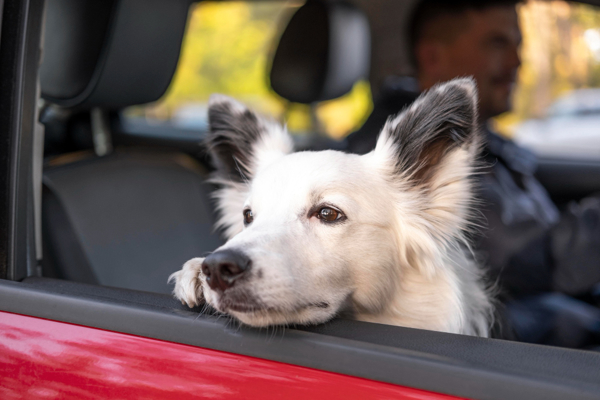
Traveling with your dog should feel exciting, not stressful. Yet for many pet owners, reducing motion sickness in dogs during long drives is the only thing they can think about. According to many dog care experts and organizations, such as a kennel club, motion sickness is common, especially in younger or sensitive dogs. It is important to remember that every dog is different, and learning how to support yours is very important. With patience and preparation, even difficult car rides can become calm and manageable experiences.
Why Some Dogs Get Motion Sick While Others Don’t
Motion sickness in dogs is often linked to physical, emotional, and environmental factors that affect how they experience movement. While many dogs improve with age and exposure, several key issues can influence their sensitivity during car rides.
Some of the most common causes include:
-
Inner ear balance problems, especially in puppies whose systems are still developing and adjusting to motion
-
Genetic and breed-related tendencies that make certain dogs more sensitive to movement, vibration, and noise
-
Negative past travel experiences, which can create lasting associations between the car and discomfort
-
Heightened anxiety or nervousness, leading to stress-related symptoms such as drooling, whining, vomiting, or resistance to entering the vehicle
-
Overstimulation from traffic, sounds, and unfamiliar surroundings can overwhelm sensitive dogs during travel.
Understanding these underlying factors helps owners respond with patience rather than frustration. When you recognize what triggers your dog’s discomfort, it becomes easier to choose training methods and travel strategies that support long-term improvement.
The Emotional Side of Car Sickness for Dogs and Owners
Motion sickness is not just physical. For dogs, it can feel confusing and frightening. They may not understand why they feel dizzy or nauseous, which increases stress. Over time, repeated bad trips can weaken their trust in travel routines.
Owners often experience guilt and frustration. Watching your dog suffer can feel heartbreaking. Some people compare their dog to others who travel calmly, which can lead to self-doubt. Social media and casual conversations rarely show the full picture behind “perfect” travel dogs. Your dog’s journey is unique. Progress matters more than perfection.
Preparing Your Dog Before the Trip
Good preparation can significantly help reduce motion sickness in dogs during long drives. Start with feeding. Avoid large meals within three to four hours before driving. A light snack is usually better than a full stomach.
Make sure your dog stays hydrated, but avoid excessive water right before departure. A short walk before the trip can help release nervous energy and encourage relaxation. Gradually introduce your dog to the car environment. Let them sit inside while parked, explore calmly, and receive treats. That builds positive associations and reduces fear.
Special Considerations for International and Long-Distance Travel
Long-distance travel requires careful preparation, especially when moving pets across borders, where regulations, documentation, and health requirements can quickly become overwhelming. International trips often involve vaccinations, veterinary certificates, and possible quarantine periods, all of which can increase stress for both dogs and owners. Learning how to travel safely with your companions helps you plan and avoid unexpected complications.
Extended journeys also mean longer exposure to motion and unfamiliar surroundings. Scheduling regular breaks for walking, hydration, and rest allows your dog to reset physically and mentally. Whenever possible, choosing pet-friendly accommodations provides a calmer environment for overnight stays.
Emotional preparation is just as important as logistical planning. Practicing longer drives in advance helps your dog adapt gradually to extended travel. Keeping familiar routines, blankets, and toys close by reinforces a sense of security during major transitions.
Training and Gradual Desensitization Techniques
Desensitization works best when done slowly. Begin with very short drives, even just around the block—reward calm behavior with praise and treats. Increase distance gradually over time. Watch for signs of stress such as panting, shaking, or restlessness. If your dog shows discomfort, slow down and return to shorter trips. In truth, Pibbles & More Animal Rescue claims that consistency matters. Regular, gentle exposure teaches your dog that car rides are predictable and safe. Avoid forcing long trips too quickly, as setbacks can undo progress.
Travel Equipment That Reduces Motion Sickness
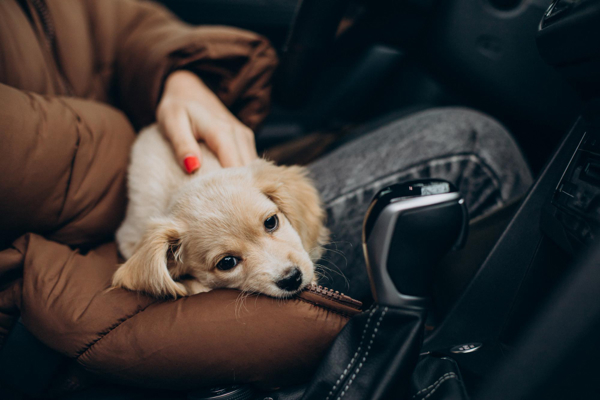
Proper equipment improves both safety and comfort. A well-fitted harness with a seatbelt attachment helps stabilize your dog’s body. That reduces excessive movement that can worsen nausea. Crates and carriers work well for many dogs, especially when placed securely. Some dogs feel calmer in enclosed spaces, while others prefer open seating. Observe what suits your pet. Good airflow is essential. Slightly open windows or proper ventilation prevent stuffiness. Familiar blankets or toys can also provide emotional comfort during long rides.
Medical and Natural Support Options
If behavioral methods are not enough, consult your veterinarian. They may recommend prescription medication for severe cases. These drugs can reduce nausea and anxiety when used correctly. Over-the-counter options, such as motion sickness remedies designed for pets, may help some dogs. Always ask your vet before using them. Natural calming aids, including pheromone sprays and herbal supplements, can support relaxation. These work best when combined with training and routine, not as a replacement.
Building a Safe and Supportive Travel Routine
A consistent routine builds confidence. Try to follow similar departure times, feeding schedules, and rest stops whenever possible. Predictability reduces anxiety. Create a “dog travel kit” with water, bowls, food, medications, wipes, waste bags, and comfort items. Being prepared reduces emergencies and stress. Learning about safe travel with your pup can guide your choices regarding restraints, vehicle setup, and emergency planning. Safety and comfort should always work together.
Environmental Factors That Influence Motion Sickness
Temperature plays a major role in travel comfort. Overheating worsens nausea and fatigue. Keep the car cool but not cold, and avoid direct sunlight. Humidity and poor ventilation also increase discomfort. Fresh air circulation helps stabilize breathing and reduces dizziness.
Seasonal changes matter too. Many owners notice that the weather affects dogs' behaviour and mood, including sensitivity to motion and stress. Stormy weather, extreme heat, or icy roads may heighten anxiety and physical discomfort. Noise, traffic, and sudden stops further influence how dogs feel. Smooth driving and quiet environments support better experiences.
Helping Your Dog Build Confidence Over Time
Confidence grows through small successes. Celebrate every calm ride, no matter how short. Keep a mental record of improvements instead of focusing on setbacks. Adjust expectations based on your dog’s pace. Some dogs improve quickly, while others need months of practice. Avoid measuring progress against others. Your calm attitude also matters. Dogs sense tension, and research done by the American Institute of Stress backs this up. Therefore, when you stay relaxed, they feel safer.
When to Seek Professional Help for Reducing Motion Sickness In Dogs During Long Drives
If your dog’s motion sickness remains severe despite training and medical support, professional help may be necessary. Veterinary behaviorists and certified trainers specialize in anxiety-related issues. Warning signs include persistent vomiting, extreme panic, refusal to enter vehicles, or aggressive behavior linked to travel. These indicate deeper emotional distress. Long-term management plans can restore confidence and comfort when handled properly.
Supporting Your Dog Through Every Mile
Reducing motion sickness in dogs during long drives takes time, empathy, and commitment. There is no single solution that works for every pet, and setbacks are part of the process. By focusing on preparation, gradual training, safety, and emotional support, you create an environment where your dog can slowly feel secure. Most importantly, remember that progress looks different for every animal. With patience and understanding, long drives can become peaceful moments of connection rather than sources of stress.


 Muhammad Saad

