
How Weather Affects Your Dog’s Behavior and Mood
Weather affects your dog’s behavior and mood by influencing energy, appetite, and social interactions. Adjusting outdoor activities and monitoring physical responses during each season ensures dogs stay healthy and content.
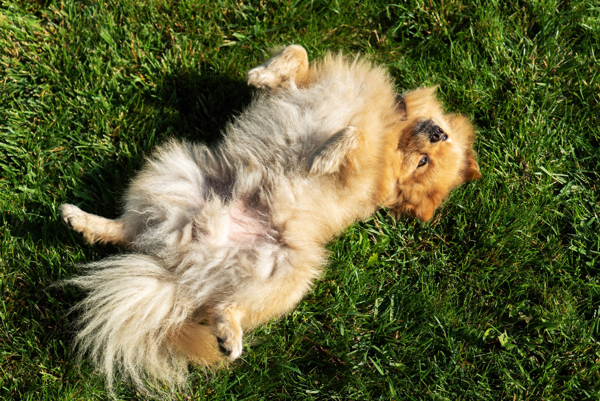
Dogs respond strongly to shifts in temperature, light, and humidity throughout the year. Weather affects your dog’s behavior and mood by influencing energy, appetite, and social interactions. During sunny days, dogs often become more playful and alert because sunlight stimulates serotonin. Cold or damp conditions may make them seek warmth and reduce activity, whereas extreme heat can cause restlessness and irritability. Owners can spot signs like changes in sleep patterns, reluctance to play, or increased clinginess. Observing these behaviors helps provide better comfort and care. Adjusting outdoor activities and monitoring physical responses during each season ensures dogs stay healthy and content. Weather impacts mood, energy, and daily routines more than most people realize.
Understanding the Connection Between Weather and Canine Mood
Dogs show clear reactions to temperature, sunlight, and humidity changes throughout the year. Sunlight boosts serotonin, which can increase playfulness and alertness. Cold or damp conditions often make dogs seek warmth and reduce activity. Similarly, changes in day length can affect sleep and energy patterns. Owners may notice differences in appetite, willingness to exercise, or overall excitement. Observing these shifts helps maintain comfort and health. Adjusting walks and outdoor time according to the season keeps dogs active without overexertion. Then again, dogs may respond differently depending on breed and age. Paying attention to their behavior provides insight into their emotional state. Daily monitoring ensures dogs stay balanced and enjoy routines year-round.
How Dogs React to High Temperatures
High temperatures can quickly stress dogs, affecting energy and behavior. Above all, dogs pant, restlessly move, and sometimes refuse to play during hot weather. Owners must ensure fresh water and shade are always available. Avoid midday walks and limit outdoor activity to prevent overheating. Heatstroke can develop fast in some breeds, so monitoring physical signs is important. Cooling mats, damp towels, and short outdoor sessions help dogs stay comfortable. Keeping exercise indoors or during cooler hours reduces risk. Some dogs may seek water or stay in shaded areas, signaling discomfort. Adjusting routines to the weather ensures dogs maintain energy and remain playful. Attention to temperature prevents stress and health issues.
Weather Considerations for Relocation
Sudden climate changes can affect a dog’s energy, appetite, and comfort during relocation, making relocating with your companion more challenging, especially when you’re moving with pets in extreme temperatures. Adjusting daily routines before and after the move helps dogs adapt more smoothly. Transport in hot weather requires shaded carriers and frequent hydration, whereas cold conditions need insulated bedding and limited exposure. Observing behavior during travel prevents anxiety and restlessness. Another key point is that gradual acclimation to new surroundings reduces stress and encourages confident exploration. Keeping familiar items, such as toys and blankets, provides comfort. Monitoring reactions to temperature and adjusting schedules ensures pets remain healthy and content throughout relocation.
Rainy Days Cause Mood Swings and Anxiety
Rain and storms often trigger anxiety or unease in dogs. However, some dogs dislike wet conditions, while others remain calm. Thunderstorms, lightning, or strong winds can heighten stress. Creating a safe indoor space reduces fear and offers comfort. Toys, blankets, or calming music can help dogs relax. On the other hand, maintaining regular routines despite the weather prevents confusion or added anxiety. Some dogs may refuse to go outside or display clinginess during storms. Monitoring behavior ensures owners respond appropriately. Short indoor games or training sessions help dogs release energy. Staying attentive to signs of distress keeps dogs healthy and prevents long-term fear associations.

Cold Weather Challenges
Chilly temperatures can make dogs less active and more inclined to stay indoors. In contrast, snow may excite some dogs, while others avoid it entirely. Shorter days often reduce outdoor activity, affecting energy levels. Providing warm bedding and limited exposure during extreme cold keeps dogs comfortable. Winter walks require protective gear for sensitive paws, such as booties. Monitoring shivering, lethargy, or reluctance to move signals a need for extra care. Maintaining regular playtime indoors helps dogs expend energy. Cold weather can influence mood, appetite, and social interaction. Adjusting feeding schedules or treats during colder months supports energy. Owners can help dogs enjoy winter safely while avoiding discomfort.
Seasonal Allergies and Irritability
The weather can affect your dog’s behavior and mood since it can trigger allergies that irritate dogs. For this reason, pollen, mold, or dust may cause itching, sneezing, and restlessness. Scratching and biting indicate discomfort that affects behavior. Of course, regular grooming and cleaning help minimize allergen exposure. Vet checkups can identify persistent issues and provide relief. Allergies are a common occurrence; some experts estimate that as many as half of all dogs will have an allergy at some point in their lives.
Adjusting walks to times of lower pollen concentration reduces symptoms. Allergy-related irritability can influence interactions with family and other pets. With this in mind, monitoring reactions during different seasons prevents stress, dehydration, and ensures proper diet support overall well-being. Treating symptoms promptly ensures dogs remain playful and social. Seasonal weather changes directly influence mood, comfort, and daily activity.
Adapting Activities to Weather
The weather can change the way dogs exercise and play. Outdoor walks may need shortening during extreme heat or cold. Indoor play keeps energy levels stable and prevents boredom. To maintain engagement, mental games and training sessions work well during bad weather. Some dogs enjoy digging in snow or splashing in puddles, while others resist. Owners must watch for signs of discomfort, such as panting or shivering. Rotating activities keeps dogs stimulated regardless of the weather. Nevertheless, structured routines support healthy energy and positive behavior. Sleep is also very important for maintaining energy levels. On average, dogs sleep 12 to 14 hours a day, but puppies and older dogs may sleep over 50% of the day. Frequent observation ensures safety during outdoor play. Dogs adjust best when owners remain flexible and attentive to environmental conditions.
Preparing Your Dog for Weather Changes Year-Round
Seasonal shifts require gradual adjustments to routines and the environment. Protective gear, like coats or booties, helps dogs adapt to extreme conditions. Hydration, diet adjustments, and safe indoor options maintain health. In short, monitoring energy levels and behavior prevents stress. Some dogs may resist changes initially, but exposure in small doses builds confidence. Besides, maintaining familiar toys and bedding offers comfort during transitions. Vaccinations and vet checkups ensure resilience to seasonal illnesses. Adjusting playtime, walks, and rest according to the weather supports mood stability. Owners who stay observant can anticipate needs before discomfort arises. Preparing dogs for weather changes encourages consistent behavior, happiness, and overall well-being.
Conclusion
Understanding how the weather affects your dog’s behavior and mood helps owners provide better care year-round. Observing changes in energy, appetite, and comfort allows adjustments to walks, playtime, and routines. Staying attentive ensures pets remain happy, healthy, and stress-free regardless of temperature, sunlight, or seasonal shifts.


 Fay Smith

