
10 Positive Reinforcement Strategies for Anxious Dogs
While fear is a normal feeling, ongoing anxiety can stop dogs from enjoying daily life. Positive reinforcement is a gentle and proven way to help anxious dogs build trust and feel more secure.
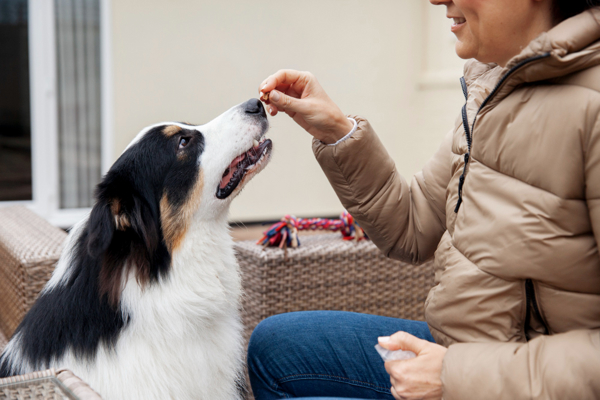
Many dogs feel worried or scared in new situations. Loud noises, sudden changes at home, or past hardships can all make a dog anxious. While fear is a normal feeling, ongoing anxiety can stop dogs from enjoying daily life. Positive reinforcement is a gentle and proven way to help anxious dogs build trust and feel more secure. Over time, this kind and steady approach can turn fear into confidence. Here are ten simple strategies dog owners and breeders can try.
10 Positive Reinforcement Strategies for Anxious Dogs
Here are the 10 positive reinforcement strategies for your anxious dog.
1. Use Treats to Build Trust
When a dog feels afraid, even small steps can feel overwhelming. Offering a tasty treat each time they face something scary teaches that good things happen when they try. For example, if a dog is nervous about visitors, start by giving treats when the visitor is far away. Slowly move closer over time, always rewarding calm behavior.
This method is called counter-conditioning, and it helps change how dogs feel about a trigger. Treats should be small, soft, and high-value, like bits of cooked chicken or special training snacks.
2. Reward Calm Body Language
Many anxious dogs show signs like panting, pacing, or tucking their tails. Watching closely helps owners see the moment when the dog starts to relax. Look for small signs like:
- A loose, wagging tail
- Ears moving back to a natural position
- Soft, blinking eyes
- A relaxed mouth
Whenever these signs appear, give quiet praise, gentle petting, or a treat. Rewarding calm body language shows the dog that relaxation is the right choice.
3. Use Clicker Training for Clear Communication
Clicker training is a simple way to tell a dog exactly when they do something right. The clicker makes a short, consistent sound. When followed by a treat, the click becomes a clear marker of success.
For an anxious dog, clarity reduces confusion. Start by clicking and treating when the dog shows any brave or calm behavior, like stepping toward a new object or sitting quietly in a new place. Over time, the dog will learn that good things happen when they stay calm.
4. Keep Training Sessions Short and Positive
Training doesn’t have to last long. In fact, short lessons are better for anxious dogs. Brief sessions help dogs avoid feeling tired or overwhelmed. Consistency matters more than length, so try several small lessons during the week. Always end training on a positive note, with a reward and praise.
5. Pair New Experiences with Favorite Activities
Dogs feel safer when something they love is part of the learning process. If a dog enjoys tug-of-war games or walks, these activities can help ease fear. For example, if a dog feels nervous about car rides, bring a favorite toy or plan a fun trip to the park afterward. When a dog links something good to a scary event, the fear can slowly fade. This idea works well for socialization too. Puppies who meet new people during playtime often grow up feeling more comfortable in social settings.
6. Respect the Dog’s Space
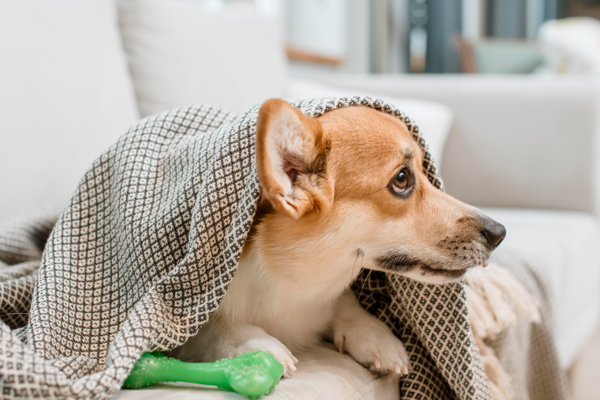
Never force an anxious dog to face fears before they are ready. Pushing too hard can make anxiety worse. Instead, let the dog decide when to approach something new. If the dog backs away or hides, respect their space. Reward any small steps toward engagement, like looking at the object or sniffing from a distance. Giving the dog control helps them feel safer and more confident over time.
7. Teach a Reliable “Settle” Cue
A “settle” cue helps guide a dog to a calm place when things get stressful. This might be a mat, a bed, or a blanket in a quiet spot.
Start by placing the mat on the floor. When the dog steps on it, say a cue word like “settle,” then offer a treat. Over time, encourage the dog to lie down and relax. Practice this in different settings so the dog learns to settle anywhere.
8. Keep a Predictable Routine
Many dogs feel safer when their days follow a steady pattern. Regular meal times, walks, and play sessions give structure. Predictable routines help dogs know what to expect, which can lower stress. During the day, watch for calm moments and reward them with praise or a treat. This shows the dog that peaceful behavior is always a good choice.
9. Use Gentle Praise and Soft Voices
Tone matters a lot when working with anxious dogs. Loud voices or scolding can make fear worse. When the dog shows courage, use a soft, happy tone. Simple words like “Good dog!” or “Well done!” combined with a gentle pat or treat make a big difference. Over time, a kind voice becomes a signal that everything is okay.
10. Celebrate Progress, Even the Small Wins
Helping an anxious dog is a journey. Some days will feel easier than others. It’s important to notice every step forward, no matter how small. A dog that hides under a table today might peek out tomorrow. Later, they might walk into the room with confidence. Each success deserves praise and celebration.
Patience and consistency are the keys. When owners stay positive, dogs learn to trust and feel safe. It is also important to remember that stress can come from many causes, including weather and environment.
Final Thoughts
Positive reinforcement is a powerful way to help anxious dogs build confidence. These strategies are simple, kind, and effective. By rewarding bravery, respecting boundaries, and staying patient, dog owners and breeders can help dogs live happier, calmer lives.
If a dog’s fear feels overwhelming or lasts a long time, consider speaking with a qualified dog trainer or a veterinarian. They can help create a plan tailored to the dog’s needs. Remember, every dog deserves to feel safe and loved. With time and care, even the most worried dogs can learn to trust again.


 Muhammad Saad

