
How Scent Familiarity Helps Dogs Feel Safe After a Move
Learn how scent familiarity helps dogs feel safe after a move, easing stress, building comfort, and speeding adjustment in a new home.
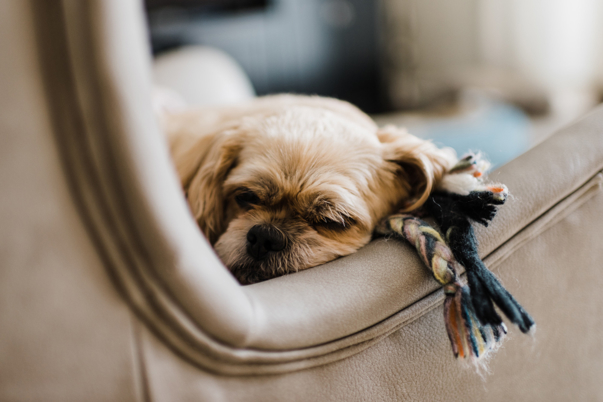
Dogs experience a move very differently from people. New spaces replace every familiar smell at once. That sudden change affects comfort and behavior quickly. Scent familiarity helps dogs feel safe after a move because smell guides emotional responses first. Dogs use scent to judge safety, routine, and trust. Familiar bedding, toys, and owner clothing reduce stress reactions. As a matter of fact, known smells support calm behavior and better rest. Protecting scent cues matters during relocation. Dogs that recognize familiar odors explore sooner and relax faster. Scent continuity supports emotional balance and smoother adjustment in a new home.
What Happens to a Dog’s Brain During a Move
Dogs process a move as a sudden break in predictability. The brain scans the space for known signals and finds none. Stress hormones surge rapidly in unfamiliar environments, prompting the body to enter an alert state. Heart rate increases, and sleep patterns shift. However, scent can lower perceived threats and calm neural responses. Familiar smells connect directly to memory centers tied to comfort and safety. Those signals reduce cortisol and support emotional balance. In contrast, scent loss increases vigilance and fear. The brain stays on guard and limits relaxation. Dogs may pace, vocalize, or hide. With this in mind, restoring familiar odors supports brain regulation after relocation and helps behavior stabilize sooner. Routine scent exposure shortens stress periods and guides learning in the new home for calmer adjustment results.
How Scent Familiarity Helps Dogs Feel Safe After a Move
Dogs search for safety cues the moment they enter a new home. Scent familiarity helps dogs feel safe after a move by restoring emotional balance quickly. Familiar smells tell the brain that danger stays low. Bedding, toys, and owner clothing create strong comfort signals. Those signals reduce alert behavior and support calm reactions. Similarly, repeated exposure to known scents builds confidence during exploration. Dogs sniff, pause, then relax more often. Stress responses fade as predictability grows. Scent also supports routine learning in new spaces. Feeding, resting, and playing feel easier with known smells nearby. Familiar odors guide emotional stability and lower fear responses. Dogs settle faster and show fewer stress behaviors. That steady adjustment improves daily behavior and strengthens trust in the new environment.
Scents That Matter Most to Your Dog
Dogs respond differently to specific familiar smells. Owner scent ranks highest due to emotional bonding. Bedding carries layered cues from sleep and safety. Those items signal rest and comfort. Toys hold play-related memories that support relaxation. Then again, routine household smells also matter. Food bowls, familiar food, leashes, and blankets reinforce daily structure. Each familiar odor adds reassurance. Dogs use these cues to rebuild territory awareness. Smell helps them map safe zones inside the home. Anxiety lowers as these zones expand. Dogs move with more confidence and rest more often. Strong scent anchors reduce pacing and vocalization. Over time, familiar smells support calm behavior and learning. That stability improves appetite, sleep quality, and social responses during the early days after relocation.
Common Mistakes Owners Make After Moving
Many owners remove familiar smells too quickly. That choice raises stress levels without warning. On the other hand, gradual changes protect emotional balance. Washing bedding right away strips comfort cues. Replacing toys early removes play-related reassurance. Nevertheless, owners often aim for cleanliness first. Dogs then lose their strongest calming signals. Confusion increases, and adjustment slows. Some dogs show withdrawal or restlessness. Others vocalize more often. Stress behaviors appear without obvious triggers. As Family Affair Moving suggests, if your pets get carsick or panic, you should seek professional help and take them to a vet. Keeping familiar items helps dogs orient faster. Scent continuity supports predictable routines. That predictability reduces fear responses. Owners who respect scent needs see calmer behavior sooner. Simple patience improves outcomes and strengthens trust during the early days in a new home.
Practical Ways to Preserve Familiar Scents
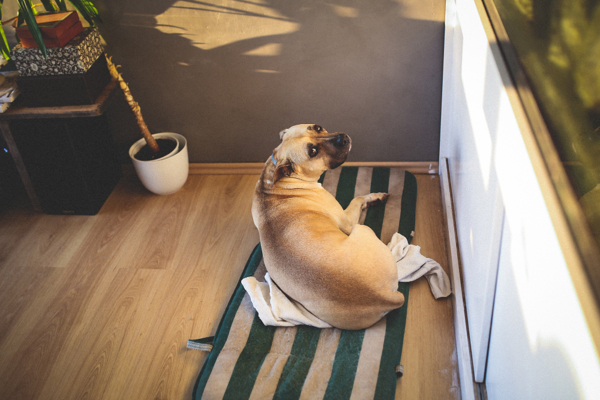
Smart planning supports scent continuity during a move. Pack dog items last to keep odors strong. In order to protect familiarity, seal bedding and toys separately. Unpack those items first in the new home. Dogs then find comfort quickly. For this reason, stress responses stay lower. Avoid strong cleaners at first. Mild cleaning keeps scent cues intact. Place familiar items in sleeping and feeding areas. That placement guides safe exploration. Dogs move from room to room with more confidence. Reintroduce new items slowly. Each step supports emotional balance. Consistent scent exposure shortens adjustment time. Calm behavior increases as familiarity spreads across the space.
Helping Rescue or Senior Dogs Adjust Faster
Rescue and senior dogs depend on predictability. Past stress raises their sensitivity. Older dogs, which make up 30-40% of the pet population in the US, need more support. Familiar scents reduce their confusion and fear. Use items from previous homes or shelters if possible. Removing scents increases withdrawal. Scent continuity builds trust and routine. Dogs relax and sleep better. Place familiar items in quiet areas to support regulation. Gentle repetition strengthens confidence and encourages exploration without overload.
How Long Does Scent-Based Adjustment Take?
Adjustment timelines vary between dogs. Temperament and history influence progress. Hence, no fixed schedule exists. Some dogs relax within days. Others need weeks of scent exposure. Familiar smells speed this process consistently. Of course, patience supports better outcomes. Dogs show progress through behavior changes. Improved sleep and appetite signal comfort. Reduced pacing marks emotional balance. Regular scent exposure supports learning and routine building. A large majority of dog owners build routines, because it fosters a healthier, less stressful life for their canine companions and themselves. Each calm day reinforces safety signals. Rushing changes slows improvement. Allow dogs to guide the pace. Observe responses closely. Small gains add up over time. Consistent scent presence shortens stress phases and supports steady adaptation.
Creating Long-Term Emotional Security in a New Home
Long-term comfort grows through consistency in a new home. Maintain familiar scent zones across the home. Besides, rotate trusted items between rooms weekly. That strategy spreads reassurance gradually. Dogs then expand comfort boundaries naturally. In short, scent continuity builds lasting security. Keep routines stable to reinforce predictability. Feeding and rest areas should retain familiar odors. Calm behavior strengthens through repetition. Confidence grows as dogs explore without fear. Over time, new scents blend with trusted ones. Dogs accept the home as safe territory. Emotional balance improves daily interactions. Stable scent management supports trust, learning, and relaxed behavior for lasting comfort after a move.
Scent-Based Comfort Builds Lasting Confidence After a Move
A new home challenges a dog’s emotional balance and behavior. Scent familiarity helps dogs feel safe after a move by restoring comfort, predictability, and confidence. Familiar smells reduce stress responses and support calm routines. With patience and scent continuity, dogs adjust faster and thrive in their new surroundings.
Sources:
https://www.researchgate.net/publication/370912203_Canine_behavior_and_development


 Muhammad Saad

