
Top 5 Harmful Foods to Eliminate from Your Dog’s Diet
As responsible pet owners, one of the most important things we can do is safeguard our dogs’ health by monitoring their diet. Many common human foods contain substances that are toxic—or at least harmful—to dogs, even in small amounts.
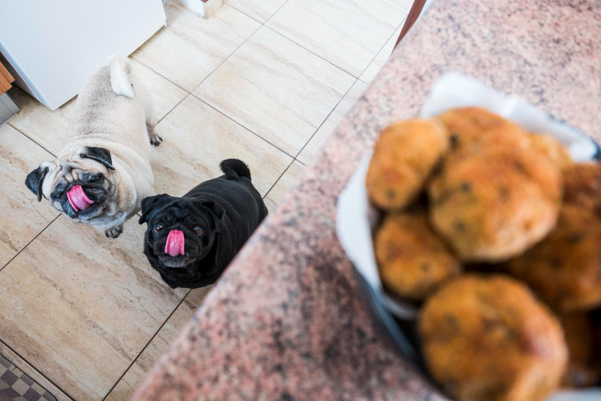
As responsible pet owners, one of the most important things we can do is safeguard our dogs’ health by monitoring their diet. Many common human foods contain substances that are toxic—or at least harmful—to dogs, even in small amounts. Below are the top five foods you should eliminate from your dog’s diet, why they are dangerous, and practical tips to help you avoid accidental exposure.
1. Chocolate, Coffee, and Other Caffeine/Methylxanthines
Why they’re harmful: Chocolate (especially dark or baking chocolate), coffee, tea, and other caffeinated products contain methylxanthines—primarily theobromine and caffeine. Dogs metabolize these substances much more slowly than humans, so that ingestion can lead to vomiting, diarrhea, rapid heart rate, tremors, seizures, and potentially death.
Examples to watch out for:
-
Dark chocolate or cocoa powder
-
Coffee grounds or strong tea leaves
-
Energy drinks or caffeinated sodas
What to do: Keep all forms of chocolate and caffeinated items locked away. If your dog ingests any amount, contact your veterinarian immediately. Symptoms may be delayed, so prompt action matters. Use dog‐safe treats instead of sharing your coffee table treats.
2. Grapes and Raisins
Why they’re harmful: Even small amounts of grapes or raisins can lead to acute kidney failure in dogs. Recent research suggests that the toxic agent is likely tartaric acid.
Examples to watch out for:
-
Fresh grapes or raisins
-
Foods or desserts containing grapes/raisins (trail mix, muffins, etc.)
What to do: Avoid giving grapes or raisins entirely. Always check ingredient labels when using dried fruits. If ingestion occurs, seek veterinary care promptly—even if the dog doesn’t show symptoms right away. Early treatment can dramatically influence outcomes.
3. Xylitol and Other Artificial Sweeteners
Why they’re harmful: Xylitol, a sugar substitute often found in sugar-free gum, candies, baked goods, and even some peanut butters, is highly toxic to dogs.
Ingesting it can cause a sudden insulin release, leading to severe hypoglycemia (low blood sugar), seizures, liver failure, and even death.
Examples to watch out for:
-
Sugar-free chewing gum or mints
-
“Diet” baked goods or protein bars
-
Peanut butter brands that contain xylitol
What to do: Always check labels before offering human foods to pets and keep sugar-free products securely stored. If your dog ingests anything containing xylitol, contact your veterinarian immediately—effects can appear quickly and become life-threatening.
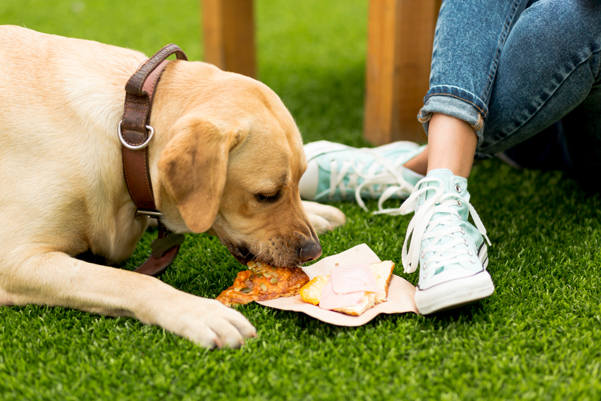
4. Garlic, Onions, Chives, and Other Allium Species
Why they’re harmful: Plants in the Allium family—garlic, onions, chives, leeks—contain compounds (such as thiosulfates) that damage red blood cells in dogs, leading to hemolytic anemia. This can cause symptoms like lethargy, weakness, pale gums, red urine, rapid breathing, and, in severe cases, death.
Examples to watch out for:
-
Raw, cooked, or powdered onions & garlic
-
Foods seasoned with onion or garlic powder
-
Sauces, soups, or prepared foods that include onion/garlic
What to do: Avoid using these ingredients in home cooking if your dog often gets scraps. Be especially wary of food leftovers. If you notice any signs of anemia or if your dog consumes a large quantity, contact a veterinarian immediately.
5. Fatty & Fried Foods, Raw Dough, and Bones
Why they’re harmful:
Fatty or fried foods: These often lead to gastrointestinal upset and can trigger pancreatitis—an inflammation of the pancreas, which is painful and sometimes life‐threatening.
Raw dough (yeast dough): The yeast can ferment in the stomach, producing alcohol, gas, bloating, risk of stomach twist (bloat or torsion), plus alcohol toxicity.
Bones (especially cooked bones): They can splinter, cause blockages, tear the digestive tract, or get stuck. Even raw bones carry bacterial contamination risks.
Examples to watch out for:
-
Greasy meats, bacon, fried snacks
-
Pizza crusts or dough before baking
-
Poultry bones, cooked bones from leftovers
What to do: Limit fatty foods strictly. If you want to share meat, ensure it’s lean and cooked without excessive oils. Never give cooked bones; raw bones should be examined with veterinary guidance. Always bake or cook dough thoroughly and avoid allowing pets access to unbaked dough or yeast‐containing raw mixtures.
Practical Tips to Keep Your Dog Safe
-
Create a “danger zone” in your kitchen: Store toxic foods out of reach, use sealed containers, and keep trash bins secure. Dogs are good at sniffing and scavenging.
-
Read ingredient labels: Especially for packaged, sugar-free, or “diet” items, check for xylitol, artificial sweeteners, and hidden flavorings like garlic/onion powder.
-
Train “leave it” command: Teaching your dog to reliably “leave it” when approaching dangerous items can prevent accidental ingestion.
-
Safe treats only: Use treats made specifically for dogs. If you want to give human food, choose safe options—as recommended by veterinary resources—and do so infrequently.
-
Have emergency information ready: Know the number of a nearby emergency veterinarian and/or a pet poison control hotline. If something is ingested, time is critical.
-
Watch for symptoms: Vomiting, diarrhea, tremors, lethargy, seizures, abdominal pain, pale gums, excessive thirst—if you see these, contact a vet immediately.
Conclusion
Dogs rely on us to keep them safe—and that includes ensuring their diets are free from the foods that can silently cause harm. The top five items above—chocolate/caffeine, grapes/raisins, xylitol/artificial sweeteners, allium family plants, and fatty/fried foods/raw dough/bones—are among the most frequently encountered dangers. By staying vigilant, reading labels carefully, managing your kitchen safely, and acting quickly if ingestion occurs, you can significantly reduce the risk of serious health issues for your dog.
For current, evidence-based guidance, always refer to authorities such as the American Veterinary Medical Association (AVMA), ASPCA Animal Poison Control, and your own veterinarian. Your dog depends on you—treat their diet with the care it deserves.


 Muhammad Saad

