
How To Help a Rescue Dog Adjust to Dog Boarding or Daycare
Just like any unfamiliar experience, dog boarding or daycare can be overwhelming for both you and your pup. In this guide, we’ll share helpful tips to prepare your rescue dog for daycare or boarding, so both of you can feel connected and calm even when you’re apart.
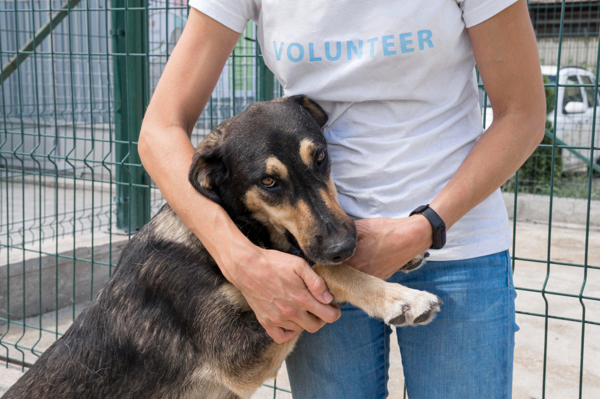
Bringing a rescue dog into your life is a truly rewarding experience. As you welcome your new furry family member into a safe and loving home, it’s important to recognize the unique needs that rescue pets often have, especially when it comes to new environments like boarding or daycare.
Just like any unfamiliar experience, dog boarding or daycare can be overwhelming for both you and your pup. In this guide, we’ll share helpful tips to prepare your rescue dog for daycare or boarding, so both of you can feel connected and calm even when you’re apart.
Why Dog Boarding Can Be Stressful for Rescue Dogs
For rescue dogs, boarding can be a particularly stressful experience. Many have endured past trauma, such as neglect, abuse, or unstable environments, which leaves them more sensitive to change.
The unfamiliar sights, sounds, people, and dogs in a boarding facility can trigger anxiety or other reactionary behaviors, especially when they’re separated from the comfort of their trusted owner.
These dogs often need extra reassurance, patience, and time to adjust. Unlike dogs raised in stable homes, rescue pups may not have had consistent care, making trust and security vital to their well-being.
Traditional boarding environments can feel overwhelming without the right support. That’s why choosing a facility that understands rescue dog behavior is crucial. Knowing how to create a calm, caring space where rescue dogs feel safe and supported makes the experience as stress-free as possible for everyone involved.
Preparing a Rescue Dog for Dog Boarding
All dogs need support when adjusting to boarding, but rescue pups often require additional encouragement, trust, and patience. Their past experiences may make transitions more challenging, so helping them feel safe and secure is key.
With the right preparation, you can ease their stress when introducing your dog to boarding and set them up for a successful and comfortable stay.
Here are a few ways to prepare your pup for rescue dog boarding:
Schedule a Pre-Boarding Visit
Visit the facility for a tour to get to know the staff and amenities before your dog’s stay. Not only will this give you peace of mind, but it will also help your pup become comfortable and familiar with the new environment. If possible, ease your pup into the boarding experience with trial runs or short stays.
Bring Comfort Items From Home
Bringing familiar items from home can help your pup feel more at ease in a new space and provide a sense of familiarity. Bedding, toys, and owner clothing create strong comfort signals, which can reduce alert behavior and support calm reactions in the new environment.
Choosing the Best Dog Boarding Facility for a Rescue Dog
Choosing the right boarding facility for your rescue dog can feel overwhelming, but with the right focus, you can find a safe and supportive space. Rescue dogs often need extra care, so it’s important to find a facility that understands their unique needs.
Here’s what to look for:
Fear-Free or Rescue-Experienced Staff
Facilities experienced with anxious or timid dogs will have specialized care routines, socialization practices, and a calm environment tailored for rescue pets.
Structured Routines and Socialization
Speak with staff about daily schedules, rest periods, and playgroups. A structured, predictable routine helps rescue dogs feel secure.
Cleanliness, Safety, and Enrichment
Take a tour to assess the cleanliness and safety of the facility. Look for enrichment activities, such as toys, puzzles, or calm play, that promote mental and emotional well-being.
With thoughtful research, you can find a place where your rescue pup feels safe, cared for, and at home.
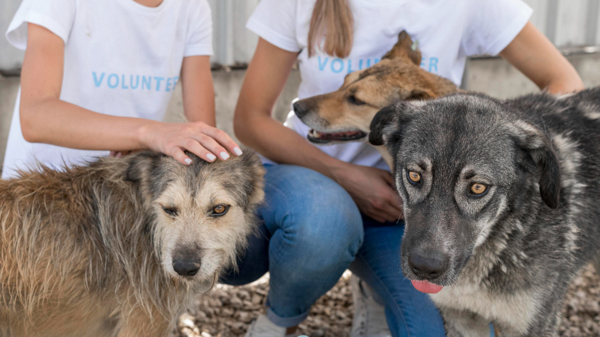
Training and Socialization Before Dog Boarding
Preparing your rescue dog for boarding begins with gradual training and socialization at home. It’s important to keep in mind that socialization and relationship building might be one of the most triggering areas for a rescue dog, so approach this training with mutual trust and understanding.
Here are some guidelines for training and socialization with your rescue pup:
-
Start by building up their tolerance to alone time to help reduce separation anxiety. Slowly increase time apart so your dog becomes comfortable being on their own.
-
Practice being around other dogs by arranging playdates or visiting dog parks to build social confidence.
-
Reinforce basic obedience with commands like “stay,” “come,” or “leave it” to help them feel more secure and manageable in a group setting.
These steps will help boost your confidence in your pup’s care while you’re away and also make the boarding experience less stressful for your pet.
Supporting Your Dog During the Boarding Stay
While your dog is at boarding, consistency and communication are key to ensuring their comfort while you are on vacation, at work, or running errands. Selecting a trustworthy facility and properly preparing your rescue pup for boarding will ensure a smooth and stress-free stay.
Here is how you can support your beloved friend during boarding or daycare:
-
Keep a consistent routine: Provide the staff with your dog’s regular feeding, potty, and medication schedule. This helps maintain familiarity and reduces stress.
-
Request updates from the boarding staff: Communication with the facility will allow you to check up on your pet’s well-being while you’re away.
-
Avoid long stays initially: Shorter visits help your rescue dog gradually adjust to the new environment and prevent overwhelm. A smooth, supported stay builds trust in the boarding experience and reassures both you and your pup for longer stays in the future.
Helping Your Rescue Dog After Dog Boarding
For a rescue dog, coming home from boarding can be a significant shift. It’s normal if they seem a little off at first, possibly quiet, tired, or clingy. Give them time and space to settle back into their home routine.
It’s best for you to re-establish their routine as soon as possible with consistent feeding times, regular walks, and familiar play to help them feel secure again. Additionally, watch for behavior changes, like restlessness or loss of appetite, and respond with patience and comfort.
Most dogs bounce back quickly, but if your pup seems especially unsettled, reach out to your vet.
Alternatives to Dog Boarding for Rescue Dogs
If your rescue dog struggles with boarding, even after choosing a facility that seems like the perfect fit, don’t worry. Not every dog is ready for a boarding environment, and that’s completely okay. Many rescue dogs feel safest in familiar surroundings, especially those with difficult pasts.
Fortunately, several alternatives can provide comfort and reduce stress while gradually easing your pup into future boarding:
-
In-home pet sitting: Personalized care in the comfort of your own home.
-
Trusted family or friends: Familiar faces can significantly reduce anxiety.
-
Consulting a veterinary behaviorist: Expert guidance for dogs with severe stress or fear.
Final Considerations for Boarding Your Rescue Dog
Not every boarding facility will be the right fit, and that’s perfectly okay. Rescue dogs often need extra time, patience, and understanding as they adjust to new environments. Celebrate small milestones, and remember that progress may be gradual.


 Fay Smith

