
From Rescue to Ritual: Outdoor Practices That Strengthen the Bond Between Dogs and Humans
Whether you're working with a rescue or just want to deepen your connection with your lifelong companion, these outdoor practices aren’t just good for exercise. They're a way to build trust, regulate stress, and remind both you and your dog that you’re in this together.

If you’ve ever taken a walk with a dog who’s just learning to trust again, you know how powerful the outdoors can be. Being outdoors helps a dog calm down and feel safe. It also helps us show up more clearly for them.
Whether you're working with a rescue or just want to deepen your connection with your lifelong companion, these outdoor practices aren’t just good for exercise. They're a way to build trust, regulate stress, and remind both you and your dog that you’re in this together. Here are five nature-based routines that can strengthen your bond; no special gear required.
-
Sit and Admire the View
This sounds simple, but it’s one of the most effective ways to create a calm connection. Pick a quiet spot and sit down with your dog. It could be on a trail, at a park, or even in your backyard. The point is, you stay and just be: no phones, no training, no agenda. Let your dog scan the area or settle beside you.
Why it works: Dogs are tuned into energy. If you're grounded, they'll feel it. This kind of unstructured presence helps build emotional regulation on both ends of the leash.
Pro tip: Make this a 5-minute ritual after your walk. It reinforces calm behavior and builds a positive association with nature.
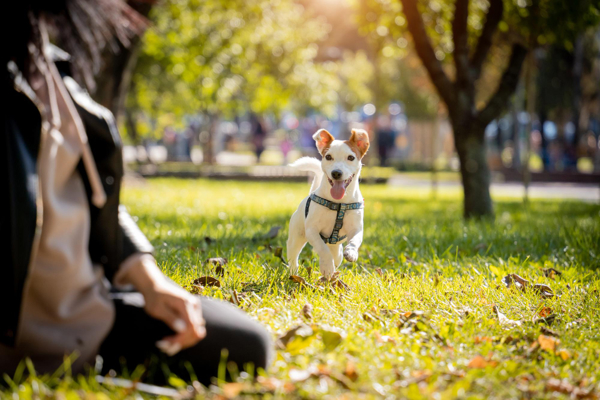
Dogs thrive when they can make choices about where to go and what to do. If your dog has reliable recall or you're in a secure, fenced area, let them roam a bit. Allow supervised but self-directed play.
-
Let Your Dog Roam Safely
Dogs thrive when they can make choices about where to go and what to do. If your dog has a reliable recall or you're in a secure, fenced area, let them roam a bit. Allow supervised but self-directed play.
Why it works: Autonomy builds confidence. And when your dog sees that you're giving them space to explore safely, it deepens their trust in you.
Not sure where to start? Try a mix of accessible options:
- Your backyard (if fenced) or a friend’s enclosed yard
- Schoolyards or sports fields during off-hours (always check local rules)
- Empty lots or open land where you have permission to visit
- Affordable community dog parks during quieter times of the day
- Local trails or nature paths that are less crowded (some offer free access)
Even a small, quiet green space can become a wonderland when your dog is free to sniff and explore. The goal isn't perfection. It’s to give them moments of choice in a safe way that also works with your life.
-
Scent Games in the Wild
Dogs experience the world through smell. Add a layer of fun by incorporating basic scent work into your outdoor time. Hide treats or a favorite toy under leaves, behind logs, or in tall grass, and cue your dog to “find it.”
Why it works: Scent play sharpens your dog’s natural abilities and gives them mental stimulation that keeps anxiety at bay. It’s also a great trust-building exercise. This activity lets them follow your cues. Plus, they get rewarded for using their instincts.

-
Explore New Places Together
Dogs love routine, but they also benefit from novelty. A new trail or park introduces fresh smells, new textures, and a different rhythm. And we benefit from that change, too.
Why it works: New environments help reduce boredom and strengthen your dog’s adaptability. If your dog looks to you for cues in unfamiliar places, it's also a natural training opportunity.
Try this: Make a short list of 3 new spots within a 30-minute drive and rotate through them once a month. Your dog will love the stimulation. You’ll also start to see the world with fresh eyes.
-
The Post-Adventure Cool Down
After movement and stimulation, your dog needs time to decompress. Make space for a “cool down” at the end of each outing. That might look like lying in the shade together, a brushing session, or simply slow-walking back to the car.
Why it works: Coming down from high energy in a safe, relaxed environment helps prevent reactivity and overstimulation. It also helps dogs associate outdoor adventures with calm, safe endings, which builds confidence over time.
Final Thoughts
Every dog is different, but one thing is universal: they’re always paying attention to how we show up. When we step into nature together, on their level, with presence and curiosity, we strengthen the bond in ways obedience drills never could.
So next time you head out with your dog, don’t just think of it as exercise. Think of it as a ritual, as healing. As the quiet, consistent trust-building that helps your dog feel seen and helps you feel grounded, too. Because in the end, dogs don’t just walk with us. They remind us how to be present, how to explore, and how to love without words.


 Muhammad Saad

