
Preparing Your Home for Becoming a Multi-Dog Household with Ease
Welcoming more than one dog brings real joy. It also raises clear planning needs. Your space must support rest, feeding, training, and play. A thoughtful setup reduces conflict and stress, while also protecting health and routines.
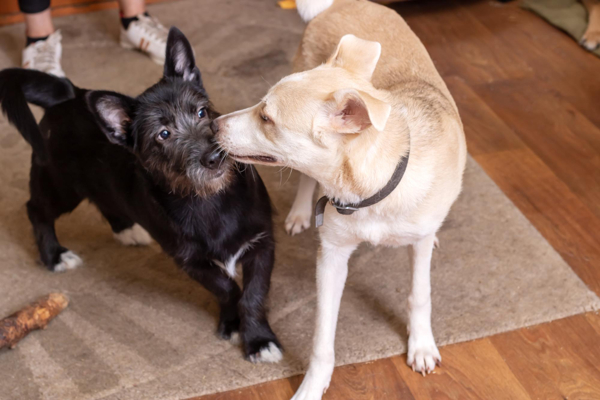
Welcoming more than one dog brings real joy. It also raises clear planning needs. Your space must support rest, feeding, training, and play. A thoughtful setup reduces conflict and stress, while also protecting health and routines. Careful choices now prevent costly fixes later. You can shape calm habits from day one, and with steady effort, life stays organized and fun! Living in a multi-dog household works best when every dog knows the rules.
Create Separate Living Spaces
Each dog needs an individual resting area. Giving every pet a defined spot prevents conflict. A crate, a dog bed, or even a quiet corner works. This setup helps dogs feel secure and gives them a place to retreat.
Gates and pens support separation without isolation. They allow sight and scent while controlling access. Temporary barriers also help during housework or deliveries. Structured distance keeps arousal down during busy hours. Place resting spots away from doorways and food areas. High traffic paths disrupt sleep. Noise also triggers startle responses. Quiet corners support deeper rest and faster recovery.
Spread soft bedding across a few rooms. That way, dogs can rest near you without crowding. Keep each bed consistent to reduce confusion. Predictable places lower stress during daily routines. Dogs benefit from having consistent boundaries in their environment. Clear zones reduce anxiety, especially for dogs with different temperaments.
Special Consideration: Moving With Your Dogs
Life changes sometimes, including moving. If you are moving with your pet, planning helps minimize stress. Simple steps, such as keeping routines consistent, reduce anxiety during the transition. Knowing how to make relocation easier on your pet helps both of you adjust. Setting up familiar bedding in the new home gives comfort. Short walks around the new neighborhood also build confidence.
Feeding Areas Without Tension
Meal times often trigger disputes. Providing each dog with its own bowl in a defined area lowers that risk. Some owners place bowls in different rooms. Others use corners of one large space, making sure each dog has room to eat peacefully.
If space is limited, stagger feeding times. This prevents guarding behavior and keeps stress levels low. Automatic feeders can also help maintain consistency. Dogs thrive on routine, and predictable mealtimes help balance their behavior.
Food aggression is one of the most common conflicts in multi-dog homes. Simple prevention steps can save you from future issues.
Exercise and Play for Every Dog
Energy needs vary by age and breed. Some dogs require long runs. Others prefer shorter, brisk walks. Adjust plans to match the dog, not the clock.
Daily movement reduces destructive behavior. It also supports sleep and mood. Rotate activities to engage body and brain. Fetch, scent games, and tug can share the workload. Mental work matters as much as miles. Puzzle feeders, snuffle mats, and simple find-it games build focus. Short training bursts also tire minds. Ten minutes can change the tone of a day.
Above all, heat, cold, and humidity affect output. Shorten sessions during harsh weather. Check paws for damage after rough terrain. Hydrate before and after exercise. Use consistent cues at doorways and gates. A calm start prevents leash chaos. Reward eye contact before stepping outside. Small rituals protect safety during exits.
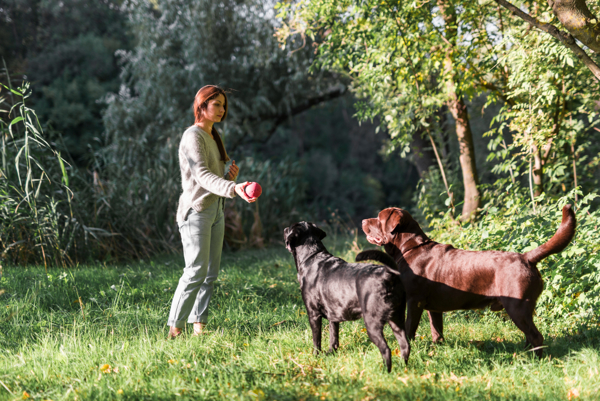
Training Rules in a multi-dog household
Training keeps group living orderly. Start with simple cues first (such as sit, down, wait, and leave) to solve many clashes. Short, frequent sessions beat long drills. Train together for neutrality. Then train each dog alone to deepen its skill and use positive reinforcement. Rotate turns to avoid frustration. End on a win to keep spirits high.
Importantly, use the same words across the family. Mixed signals slow learning. Post cue lists on the fridge if needed. Consistency builds faster results and fewer mistakes.
Refine behaviors in real settings by practicing doorway waits with guests or rehearsing polite greetings in the yard. Add distractions gradually. With structure, dogs generalize skills to daily life—target known flashpoints with planned practice. Doorbells, dropped food, and visitor arrivals need scripts. Reward calm choices quickly. Repetition writes habits into muscle memory.
Keep Belongings Organized and Accessible
Gear multiplies with every dog. Leashes, harnesses, toys, and grooming tools pile up. Clutter raises stress for dogs and people. Order reduces conflict and speeds routines. Assign color codes for each dog. Use different collar colors and labeled hooks. Pack go-bags for fast outings or vet trips. Include poop bags, wipes, and a spare leash.
Rotate toys to reduce squabbles. Offer a few options at a time, and store extras out of sight. Fresh rotations keep interest high and arguments low. Labeling gear cuts mix-ups in a multi-dog household. Clear ownership limits guarding, and saves time before walks. Routine speed lowers arousal during departures.
Wash soft toys and bedding on a schedule. Remove damaged items quickly, as frayed ropes and split rubber parts pose hazards. Safe gear keeps playing fun and injury-free.
Health, Safety, and Cleanliness at Home
Multiple dogs increase dander and hair. It is important to set a cleaning rhythm and stick to it; vacuum high-traffic areas often, wash throws and beds on a weekly cycle. Air purifiers help with odors and allergens. Choose a unit sized for your rooms, and replace filters on schedule. Fresh air supports human health and comfort.
Keep vaccinations current for every dog. An easy way to do this is to align flea, tick, and heartworm prevention by calendar, since missed doses can raise the risk for the whole group. Ask your vet about your region’s parasite trends. Prepare a simple first aid kit: stock gauze, bandage tape, antiseptic wipes, and tweezers. Go a step further by adding soft cones and booties for paw injuries. It’s good to keep your vet’s phone number in the box in case of emergencies.
Wash your hands after handling waste; proper hygiene protects both animals and their owners. Cleanliness and prevention protect the whole household.
Balance and Joy with Dogs
Living in a multi-dog household requires preparation, patience, and consistency. Setting clear spaces, feeding correctly, providing exercise, and keeping up with training make life easier. Organized belongings and strong hygiene routines protect health and comfort. With preparation, your home becomes a peaceful place for dogs to thrive together! More pets bring more responsibility, but also greater joy. Planning lets you enjoy every moment with your companions while avoiding preventable problems.


 Muhammad Saad

