
Tips for Affordable Travel with Your Companion Dog
In this article, you’ll find simple, practical ways to plan a trip that keeps you and your dog happy without overspending. From picking the right transport to cutting costs on accommodation and discovering free dog-friendly activities, we’ll cover everything you need for a budget-conscious getaway with your best friend.
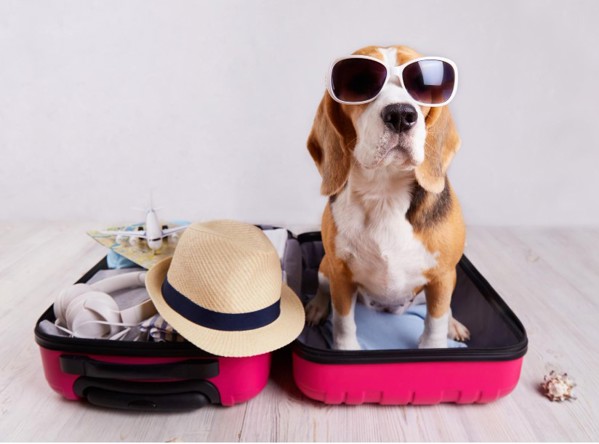
According to the American Pet Products Association, over 68 million households in the U.S. own a dog. For many, these animals aren’t just pets—they’re part of the family. So when it’s time to take a break from routine, plenty of people bring their dogs along, whether it’s a quiet cabin weekend or a cross-country adventure. After all, why miss out on time together when you could explore the world side by side?
That said, traveling with a dog often means spending more than you would on a solo trip. Pet-friendly hotels, extra baggage fees, supplies, and the chance to visit a vet on the go add up quickly. And for anyone managing expenses with bad or limited credit, that can be a challenge. In situations like this, having access to flexible pet financing solutions—especially ones that don’t require a credit check—can help make traveling with your dog more realistic and less stressful.
In this article, you’ll find simple, practical ways to plan a trip that keeps you and your dog happy without overspending. From picking the right transport to cutting costs on accommodation and discovering free dog-friendly activities, we’ll cover everything you need for a budget-conscious getaway with your best friend.
Plan an Affordable Trip with Your Dog
Start by setting a realistic travel budget, including all dog-related costs. Here’s what to factor in:
- Transportation: If driving, estimate fuel costs using tools like GasBuddy. For flights, check airline pet policies in advance—Southwest and Alaska Airlines, for example, charge around $95 for in-cabin pets per flight segment. Amtrak allows small dogs on select routes for $26, but only up to 20 lbs in carriers.
- Pet gear: A sturdy travel crate (from $50), collapsible bowls ($10), harness, leash, waste bags, and enough food for the entire trip. Budget around $100–$150 if starting from scratch.
- Accommodation: Pet-friendly hotels like Motel 6 and Red Roof Inn typically don’t charge pet fees, while others, like La Quinta or Marriott, may charge $20–$75 per night per pet. Always check the property’s exact pet policy and extra charges in advance.
- Emergency fund: Unexpected vet care can cost hundreds. Set aside at least $150–$300 for emergencies. Some clinics offer walk-in services along highways, so use VetLocator or Airvet for nearby options.
- Activities: Many U.S. national parks prohibit dogs on most trails, so look for pet-friendly alternatives like state parks (e.g., Acadia National Park in Maine allows dogs on most trails). Check entrance fees—some are free, others charge $10–$35 per vehicle.
When choosing where to go, consider cities known for dog-friendly infrastructure. For example, Asheville (NC), Portland (OR), and Austin (TX) have free public parks, pet-friendly breweries, and walkable downtowns. These cities reduce the need for costly transport or dog daycare.
Book early. Pet-friendly rooms are limited and get snapped up fast—especially those with no extra pet fees. Use filters on BringFido, Airbnb, and Expedia to compare deals. BringFido even shows verified reviews from pet owners and lists average fees.
Planning with these specifics in mind helps keep your trip enjoyable, affordable, and stress-free for you and your pup.
Choose the Best Transportation for You and Your Dog
Driving is the most cost-effective and convenient way to travel with a dog. You can pack all pet essentials—crate, food, toys—without paying extra fees in a car. It also gives you flexibility for breaks and detours and allows you to manage your dog’s needs on schedule.
Amtrak allows small dogs under 20 lbs in carriers on certain long-distance routes for $26, but trips can’t exceed 7 hours. Megabus prohibits pets entirely, except for certified service animals.
Flying is the priciest option. In-cabin pet fees range from $95 to $125 one way, while cargo transport for larger dogs can cost $200–$500. Airlines also restrict some breeds, especially flat-faced dogs like pugs or bulldogs.
How to Fly with a Dog for Free
Traveling with a dog normally requires payment to the airline, yet several methods exist that can reduce costs and remove fees completely. Regular travel points from airlines can help you cover the pet fee. Frequent programs for those who travel by plane allow members to use accumulated miles to cover pet-related fees.
Choose airlines that do not require or have minimum fees for carrying pets inside the cabin. Carefully read the terms and conditions of the airline you will fly with. For example, traveling with a pet on JetBlue Airways is only possible if your dog or cat is small.
Get a travel credit card. Certain travel credit cards allow users to use their credits for pet fee costs. Research airline policies that address service animals and emotional support animals.

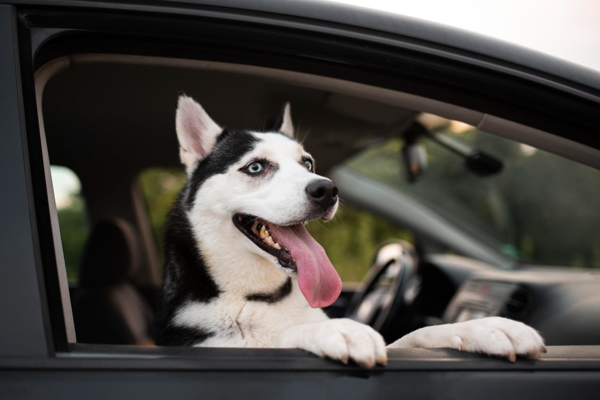
Save on Accommodations with a Pet
Pet-friendly hotels vary widely in price and pet policies. Some charge no pet fees, while others pay from $25 to $100 per night. Here are smart ways to skip or reduce pet fees:
- Choose hotel chains with no or low pet fees. Motel 6, Red Roof Inn, and Kimpton Hotels are known for being pet-friendly with no or minimal charges.
- Call ahead. Even if a hotel’s website lists a fee, some waive it if you ask or stay longer.
- Use reward points. Booking a free night with hotel loyalty points sometimes covers the pet fee.
- Stay in pet-friendly vacation rentals. Many Airbnb or Vrbo hosts allow pets for free, especially if your dog is small and well-behaved.
How Much Is Pet Fee and When Is It Worth Paying
Pet fees range from $10 to $100+ per night. Some charge per stay, some per night, and some per pet. Always read the fine print.
When is it worth paying?
- If the hotel offers special amenities like pet beds, dog parks, or treats.
- If the location is perfect and other options aren’t available.
- If the peace of mind outweighs the cost.
In other cases, consider staying elsewhere or negotiating directly with the manager.
Prepare Your Dog's Documents and Things in Advance
Packing smart not only saves money but makes the trip smoother. Here’s what to bring:
- Food and collapsible bowls to avoid last-minute purchases.
- A refillable water bottle and travel bowl.
- Waste bags, leash & harness.
- Crate or booster seat for safety.
- Comfort items like a blanket or toy from home.
- Vaccination records and ID tags.
Remember any medications your dog takes. Buying them on the road can be expensive and difficult. Use a checklist to avoid unnecessary purchases on the road.
Find Free and Low-Cost Dog-Friendly Activities
Traveling with your dog doesn’t mean you must spend much on entertainment. Many cities and towns offer pet-friendly attractions that are free or cost very little, especially if you know where to look.
- Dog-friendly hiking trails: Use apps like AllTrails to filter for trails that allow dogs. For example, Runyon Canyon in Los Angeles and Red Rock Canyon near Las Vegas offer scenic walks with no entry fee and off-leash areas.
- Beaches and lakes: The US has plenty of dog-friendly beaches. Always check leash laws and hours.
- Local farmers' markets: Many allow leashed dogs and offer free samples or treats. For instance, the Portland Farmers Market and Austin’s SFC Market are known for being pet-friendly.
- Dog-welcoming events: Look for free or donation-based outdoor concerts, art walks, or food truck festivals that permit pets. Sites like Eventbrite or local tourism boards often list these.
- Self-guided walking tours: Use GPSMyCity or Google Maps to create your own historical or scenic route. Cities like Savannah, GA, and Charleston, SC, with their walkable, shady streets, are ideal for this.
- Dog parks and patios: Check BringFido or DogFriendly.com to locate fenced dog parks and restaurants with outdoor pet seating. Some breweries, like Lazy Dog Restaurant, offer dog menus and water stations.
Avoid indoor attractions or amusement parks that prohibit pets—you’ll either have to pay for boarding or skip them altogether. Planning dog-friendly stops in advance saves money and ensures you both enjoy the journey.
Final Thought
With a little pre-trip organization, your dog's travel will be successful, and the result will be a relaxed and enjoyable experience. Holding to your dog's normal eating routines and exercise schedules during travel time will decrease anxiety levels.
Before traveling, check the weather forecast to avoid hot and cold weather risks. Pet safety straps and crates are essential tools for protecting dogs during car travel. You must also check for any leash requirements and pet regulations your destination might have. Every emergency kit should contain a list of all essential contacts, including veterinary hospital data for the nearest place.


 Muhammad Saad

