
German Shepherd Grooming: A Complete Seasonal Guide
German Shepherds are loyal, intelligent, athletic dogs with one very noticeable feature: a thick coat that requires regular attention. This complete seasonal guide explains how German Shepherd owners can manage shedding, brushing, bathing, coat care, and year-round grooming without damaging the breed’s natural double coat.
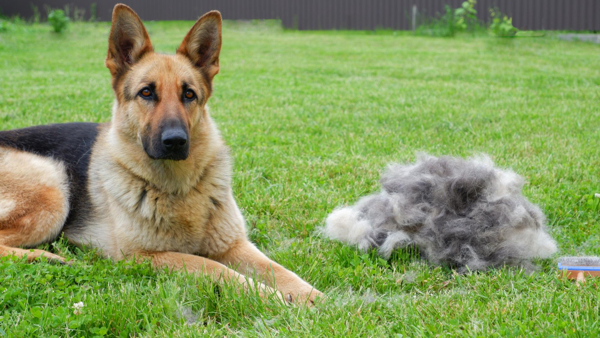
German Shepherds are loyal, intelligent, athletic dogs with one very noticeable feature: a thick coat that requires regular attention. Anyone who has lived with a German Shepherd knows the fur is part of the package. It collects on floors, furniture, clothes, car seats, and sometimes in places you did not know dog hair could reach.
Grooming a German Shepherd is not only about keeping the house cleaner. It also supports skin health, coat comfort, seasonal shedding control, and the owner-dog bond. Because German Shepherds have a dense double coat, their grooming needs change throughout the year. Spring and fall are usually the heaviest shedding seasons, while summer and winter require maintenance routines that protect the coat’s natural function.
This complete seasonal guide explains how German Shepherd owners can manage shedding, brushing, bathing, coat care, and year-round grooming without damaging the breed’s natural double coat.
Understanding the German Shepherd Double Coat
German Shepherds have a double coat made up of two layers: a soft insulating undercoat and a harsher outer coat. The undercoat helps regulate body temperature, while the outer coat helps protect the dog from dirt, weather, and outdoor conditions.
This coat system is one reason German Shepherds can tolerate cooler weather better than many short-coated breeds. However, it is also why they shed so much.
Because the coat is always renewing itself, German Shepherds shed year-round. Seasonal coat changes simply make the shedding more dramatic. During these periods, loose undercoat may come out in clumps, and owners often need to brush more frequently than usual.
Why Seasonal Grooming Matters
A German Shepherd’s grooming routine should change with the seasons because the coat changes with the weather. The goal is not to fight the coat but to help it function properly.
Seasonal grooming helps:
-
Reduce loose hair around the home
-
Remove dead undercoat before it mats or builds up
-
Support healthy skin and coat condition
-
Make the dog more comfortable
-
Reduce odor and debris
-
Create a predictable care routine
Dogs with heavy undercoats can benefit from bathing during spring or fall when seasonal shedding occurs. Most dogs only need occasional baths, usually when they are dirty or develop an odor.
That means German Shepherd grooming is not about constant bathing. It is about brushing consistently, bathing strategically, and keeping the coat healthy without stripping natural oils.
Spring Grooming: Managing the Big Shed
Spring is often the most intense grooming season for German Shepherd owners. As temperatures rise, many dogs begin shedding their thicker winter undercoat. This is often called “blowing coat.”
During spring shedding, a German Shepherd may release an impressive amount of undercoat. This seasonal coat blow is a period where the undercoat sheds heavily to make way for the new seasonal coat, often lasting several weeks.
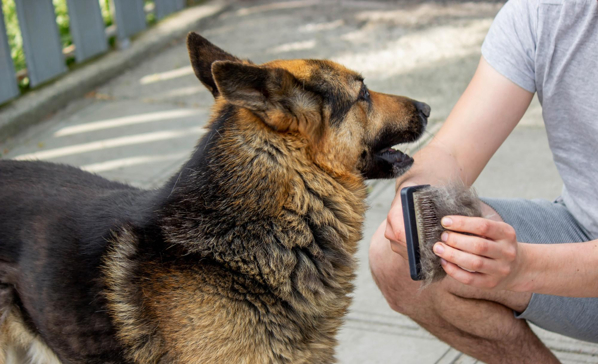
Spring grooming should focus on frequent brushing. For many German Shepherds, this may mean brushing several times per week or even daily during the heaviest shedding weeks.
Helpful tools may include:
-
Undercoat rake
-
Slicker brush
-
Wide-tooth comb
-
De-shedding tool (used carefully)
-
Grooming gloves for finishing
The undercoat rake is especially useful because it reaches loose fur below the topcoat. A slicker brush can help clean up surface hair and smooth the coat after deeper brushing.
Spring bathing can also help loosen dead undercoat, but it should be done carefully. Bathing too frequently may dry out the skin. A good spring bath followed by thorough drying and brushing can help remove large amounts of loose coat.
Summer Grooming: Do Not Shave the Coat
One of the biggest grooming mistakes German Shepherd owners can make is shaving the dog during summer. It may seem logical to remove the coat when temperatures rise, but shaving a double-coated dog can interfere with the coat’s natural protective function.
Double-coated dogs shed seasonally to adapt to temperature changes, and shaving double-coated dogs can disrupt insulation, sun protection, and coat texture over time.
A German Shepherd’s coat helps protect the skin from sun exposure and helps regulate temperature. Shaving can increase the risk of sunburn, uneven regrowth, and long-term coat damage.
Instead of shaving, summer grooming should focus on:
-
Regular brushing
-
Removing loose undercoat
-
Keeping the coat clean
-
Providing shade and water
-
Checking for ticks, burrs, and debris after outdoor activity
During summer, brushing two to four times per week is often enough for many German Shepherds, unless the dog is still shedding heavily. Active dogs that hike, swim, or play outside may need more frequent coat checks.
Summer is also a good time to inspect the skin. Look for hot spots, irritation, fleas, ticks, dryness, or unusual odor. German Shepherds with thick coats can sometimes hide skin problems beneath the fur, so hands-on grooming helps owners catch issues earlier.
Fall Grooming: Preparing for the Winter Coat
Fall is the second major shedding season for many German Shepherds. During this time, the dog may shed the lighter summer coat as the body prepares for a denser winter coat.
Just like spring, fall grooming should focus heavily on brushing. Owners may notice clumps of undercoat coming out again, especially during brushing sessions.
A good fall routine may include:
-
Brushing several times per week
-
Using an undercoat rake during heavy shedding
-
Checking for dry skin
-
Inspecting ears and paws
-
Trimming nails
-
Bathing if the coat is dirty or packed with loose undercoat
Fall is also a good time to evaluate grooming tools. A German Shepherd owner should have tools that reach the undercoat without cutting or damaging the topcoat.
Winter Grooming: Maintenance and Comfort
Winter grooming is usually less intense than spring or fall, but it still matters. A German Shepherd’s coat may become thicker during colder months, and regular brushing prevents dead hair, dirt, and debris from becoming trapped.
Winter grooming should include:
-
Weekly brushing
-
Paw checks after snow or ice
-
Nail trimming
-
Drying the coat after any wet outdoor activity
-
Monitoring for dry skin
-
Checking bedding and resting areas
Cold weather, indoor heat, and dry air can contribute to dry skin in some dogs. Owners should watch for flaking, itchiness, dull coat texture, or excessive scratching.
Paw care is especially important in winter. Ice, salt, and cold pavement can irritate paw pads. After winter walks, it helps to check between the toes and wipe paws clean if the dog walked through treated sidewalks or icy conditions.
Bathing a German Shepherd
German Shepherds usually do not need frequent baths unless they become dirty, smelly, or have a specific skin condition. Overbathing can dry the skin and remove natural oils.
For many German Shepherds, a bath every few months may be enough. Active outdoor dogs may need baths more often, while indoor dogs may need fewer.
When bathing:
-
Use dog-safe shampoo
-
Avoid harsh products
-
Rinse thoroughly
-
Dry the coat completely
-
Brush after drying to remove loosened hair
A damp undercoat can trap moisture, so drying is important. This is especially true in colder months.
Nutrition and Coat Health
A healthy coat starts from the inside. Poor nutrition can contribute to dull fur, dry skin, excessive shedding, and poor coat condition.
German Shepherd owners should focus on:
-
High-quality protein
-
Balanced nutrition
-
Proper hydration
-
Healthy fats
-
Consistent feeding routines
If a German Shepherd suddenly begins shedding excessively outside normal seasonal changes, or if shedding is paired with itching, redness, bald patches, odor, or skin irritation, a veterinarian should evaluate the dog.
Grooming Beyond Brushing
A complete German Shepherd grooming routine includes more than coat care.
Nail Care
German Shepherds are active dogs, but not all dogs naturally wear their nails down. Long nails can affect posture, comfort, and movement. Nails should be trimmed regularly based on the dog’s activity level and growth rate.
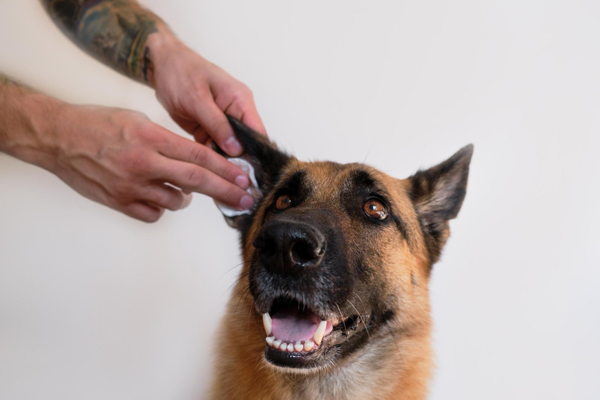
Ear Care
German Shepherds have upright ears that should be checked for dirt, odor, redness, or irritation. Owners should avoid pushing anything deep into the ear canal. If there is discharge, odor, or repeated head shaking, a veterinarian should check for infection.
Dental Care
Dental hygiene matters for long-term health. Routine tooth brushing, dental chews, and veterinary dental exams can help reduce plaque buildup and bad breath.
Skin Checks
Because German Shepherds have thick coats, owners should check the skin during grooming sessions. Watch for lumps, hot spots, ticks, scabs, dryness, or irritation.
Creating a Grooming Routine Your German Shepherd Accepts
German Shepherds are smart, routine-oriented dogs. Grooming works best when it becomes predictable and positive.
For puppies, grooming should feel like normal handling rather than punishment. For adult dogs that dislike brushing, start slowly and build tolerance over time.
Grooming as Bonding Time
German Shepherds are deeply people-focused dogs. Many enjoy one-on-one attention once they learn that grooming is safe and comfortable.
Regular grooming builds:
-
Trust
-
Routine
-
Physical comfort
-
Owner awareness
-
Bonding time
It also gives owners a chance to notice changes in the dog’s body, coat, skin, nails, ears, and overall condition.
Final Thoughts
German Shepherd grooming is a year-round responsibility, but it becomes much easier with the right seasonal routine. Spring and fall usually require the most brushing because of heavy coat changes. Summer grooming should focus on coat maintenance, cooling support, and never shaving the double coat. Winter grooming should protect paws, prevent dry skin, and keep the thicker coat clean and comfortable.
The German Shepherd coat is not a flaw. It is part of what makes the breed strong, adaptable, and beautiful. With regular brushing, smart bathing, proper nutrition, and consistent care, owners can manage shedding while keeping their dogs healthy and comfortable.
A well-groomed German Shepherd looks better, feels better, and enjoys a stronger bond with the person holding the brush.


 Muhammad Saad

