
What Long-Haired Dog Breeds Need to Stay Well Groomed
Long-haired dog breeds are admired for their elegance, softness, and unmistakable presence. However, that beauty comes with real responsibility. Long coats don't maintain themselves, and when grooming is inconsistent or poorly performed, problems such as tangles, skin irritation, odor, and even pain can appear quickly.
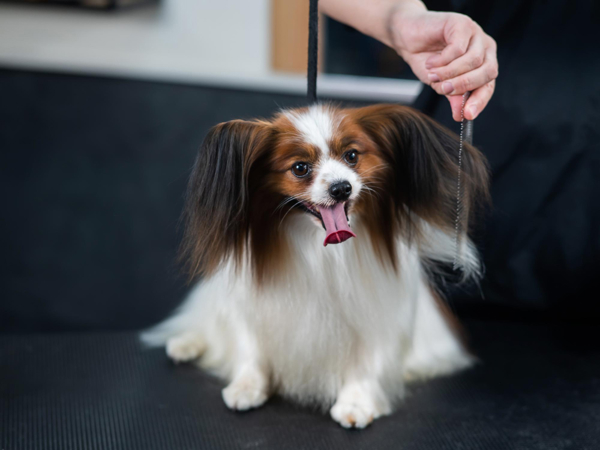
Long-haired dog breeds are admired for their elegance, softness, and unmistakable presence. However, that beauty comes with real responsibility. Long coats don't maintain themselves, and when grooming is inconsistent or poorly performed, problems such as tangles, skin irritation, odor, and even pain can appear quickly.
For owners or those considering a long-coated breed, grooming should be viewed as routine care, not an occasional chore. Puppies need early structure because their coats change dramatically during the first year of life. Understanding what long-haired dogs actually need helps prevent common mistakes and keeps the coat healthy long term.
Why Long-Haired Coats Require Specialized Care
Unlike short coats that shed outward, long hair tends to hold onto everything. Dirt, pollen, loose undercoat, and moisture get trapped close to the skin. Over time, this creates friction that leads to tangles and matting.
Long-haired coats also insulate more heavily, which means poor airflow if the hair is compacted. Without regular grooming, the skin underneath can become damp, irritated, and prone to infection. This is why brushing, bathing, and trimming are not optional for long-haired breeds, but essential to skin health as much as appearance.
How Brushing Supports Coat and Skin Health
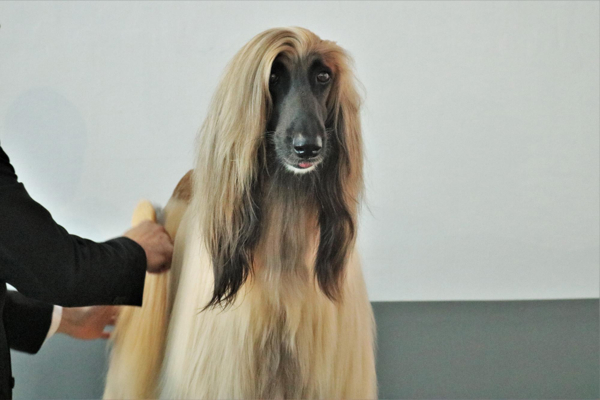
Brushing is the foundation of grooming for long-haired dogs. It removes loose hair, distributes natural oils, and keeps strands separated so they don’t twist into knots. Most long-haired breeds benefit from daily light brushing and weekly thorough sessions. Daily brushing should focus on high-friction areas, including behind the ears, under the legs, along the chest, and around the tail.
These areas mat first because of movement and moisture. Weekly brushing should be more methodical. Working in layers and brushing from the skin outward prevents hidden tangles from forming underneath the surface coat. Following up with a metal comb helps catch small knots early, before they tighten into mats that require cutting or professional removal.
Managing the Puppy Coat Transition
One of the most challenging grooming stages happens when a puppy’s soft coat begins to shed, and the adult coat grows in. This transition typically occurs between four and eight months of age, when matting becomes most common. Loose puppy hair gets trapped beneath the stronger adult strands, creating dense tangles that form quickly.
Owners often underestimate how fast this can happen. Breeds with silky textures are especially vulnerable during this stage, which is why owners of Cavalier King Charles spaniel puppies often increase brushing during coat changes. Consistent grooming during this phase prevents painful mats and helps the adult coat grow in smoothly.
Why Trimming Is Part of Proper Grooming
Not all long-haired dogs need full haircuts, but most benefit from targeted trimming. Overgrown hair in certain areas creates discomfort and hygiene issues. Therefore, trimming is typically required around paw pads and between toes, in sanitary areas, excess feathering on legs, and wisps around the face and eyes. These trims reduce slipping, prevent debris buildup, and make brushing easier. Regular maintenance trims also help owners stay ahead of matting without altering the dog’s natural appearance.
Nutrition Directly Affects Coat Quality
A dull, brittle coat often points to dietary issues. High-quality protein supports hair growth, while omega-3 and omega-6 fatty acids improve coat shine and reduce inflammation. Hydration is also important. Dehydrated dogs show it first in their skin and coat. Grooming problems sometimes begin from the food bowl, not the brush. If shedding dryness or itchiness persists despite good grooming, a vet can help assess whether nutrition or allergies are involved.
When Professional Grooming Becomes Necessary
Even with intense at-home routines, most long-haired dogs will benefit from professional grooming every six to eight weeks. Groomers provide deep coat care, shaping, and mat removal that can be difficult to manage alone. Professional grooming is especially helpful during seasonal shedding and puppy coat transitions. It keeps the coat balanced and prevents small issues from escalating.
Conclusion
The best grooming routines are calm, consistent, and positive. Short sessions work better than long battles. Use treats, praise, and patience. Grooming time builds trust and helps dogs accept handling without fear. A well-groomed long-haired dog is beautiful, more comfortable, healthier, and easier to care for long-term.


 Terry Runion

