
Benefits of Mobile Grooming for Breeding Programs: Enhancing Canine Welfare and Reducing Stress
This blog discusses the science of stress during grooming, the advantages of using mobile grooming in breeding programs, and why a cage-free, one-on-one experience can be more beneficial than the traditional salon approach.
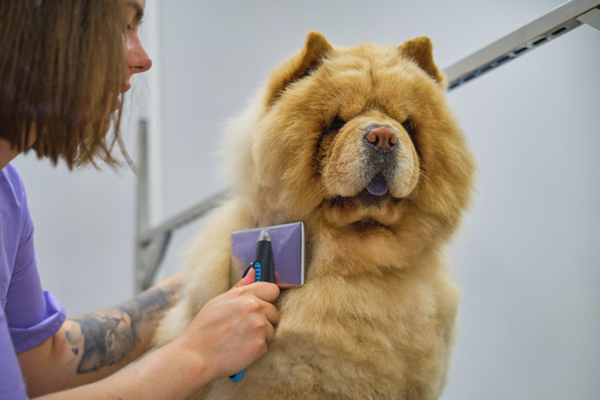
The grooming salon has been a standard part of dog care for decades. For many dogs, being subjected to new stimuli and surroundings can cause a great deal of stress. For owners of breeding programs, grooming multiple dogs and puppies can be an overstimulating mess.
Mobile grooming is changing the model. Installed in fully equipped vans at the client's residence, it has gone beyond luxury to become the modern method for serious breeders. The grooming environment has a direct impact on temperament, coat condition, hormonal balance, and overall show readiness or reproductive status.
This blog discusses the science of stress during grooming, the advantages of using mobile grooming in breeding programs, and why a cage-free, one-on-one experience can be more beneficial than the traditional salon approach.
The Stress Grooming Interface: What the Research Tells Us
The connection between grooming and canine cortisol is well-established in veterinary behavioral science. A 2019 study in Applied Animal Behavior Science found that salivary cortisol levels in dogs were significantly elevated when they were exposed to unfamiliar dogs and new sensory inputs.
The primary hormone of the stress response is cortisol, which has effects that last beyond the appointment. Persistent elevation may impair immune responses, disrupt reproductive hormonal cycles, and alter behavioral set points, all of which a breeder should avoid.
Positive, consistent exposure to handling, grooming, and new environments is key to behavioral stability.
When grooming is aversive, dogs can develop anticipatory anxiety, become reactive and avoidant, and have handling problems during veterinary examinations or confirmation judging. In the case of show or breeding dogs, such disruptions may directly affect performance and evaluation.
Mobile Grooming as a Part of Professional Breeding Programs
Professional breeders care for multiple dogs, which requires a complex grooming process. Transporting an entire kennel to a traditional salon necessitates a series of transfers that leave the dogs outside of a controlled environment and expose them to random contact with other dogs. The logistical burden is self-evident, but the behavioral consequences are a concern.
This is directly addressed by professional mobile grooming solutions, which provide planned visits tailored to the needs of a multi-dog household, breed-specific care, and personalized attention that busy salons cannot match.
On-site grooming also eliminates transportation stress, and the dogs are working individually in a calm, climate-controlled environment. This continuity has a clear clinical benefit in dogs during reproductive periods, post-whelping recovery, or show preparation.
From a breed-standards view, the coat condition reflects the breed's genetic makeup and care practices. Quality grooming contributes to conformation scoring, and dogs raised in stress-free, stable environments are more likely to have high-quality coat texture, shine, and structure. The use of mobile grooming contributes to a more uniform presentation of the show and breeding cycles.
Mobile Grooming for Senior Dogs and Dogs with Separation Anxiety: The Difference that Matters Clinically
Mobile grooming is most advantageous to older dogs and those with separation anxiety. These groups are not usually considered, but they are prevalent in the long-term breeding program, such as retired breeding dogs and young dogs that have high attachment patterns.
Senior Dogs: Physiological Weaknesses and Environmental Stresses
Elderly dogs have physical and mental issues that render conventional salons challenging. Osteoarthritis and other conditions make it painful to stand on grooming tables, and hard floors put stress on joints. Cognitive Dysfunction Syndrome (CDS) makes it harder for them to adapt to new situations and makes their stress responses stronger.
Mobile grooming offers a solution to these problems. The groomer approaches the dog, eliminating the stress of transportation and of a new environment.
One-on-one care eliminates cage waiting, which can be uncomfortable for arthritic dogs. A reduced level of noise is also helpful for seniors who are sensitive to sound. This practice is more suitable and humane for retired breeding dogs.
Separation Anxiety: Reducing Psychological Stimuli
Separation anxiety is a health disorder characterized by anxiety when a dog is not with its owner. Traditional grooming presents several triggers simultaneously: transport, new environments, other animals, and cage confinement. These can combine to enhance anxiety and strengthen negative conditioning.
These triggers are eliminated with mobile grooming. It happens at home, where the dog is comfortable, and the owner is there. No travel, no time in a cage, and meeting new dogs; one-on-one appointments help lower stress.
A 2021 review article in the Journal of Veterinary Behavior found that familiar environments were strongly linked to lower stress responses. In contrast, unfamiliar environments with negative experiences could lead to long-term hypersensitivity. Grooming is a useful and evidence-based way for breeders to manage their dogs' behavior, especially when dealing with anxious dogs.
The Professional Standard, Show Readiness, and Coat Care
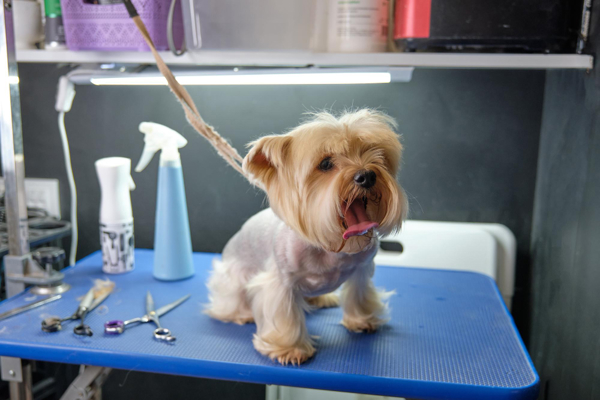
Mobile grooming also helps with the level of accuracy needed for professional breeding and conformation. Breed-specific appointments, along with consistent, no-delay service in the salon and quick handling, help keep the dogs in peak condition during the show season.
Breed standards have high expectations for how a coat should appear, and variations in the frequency, method, or application of a product may, over time, affect a dog's competitive status.
Mobile groomers who work closely with breeders learn about each dog's coat, seasonal variations, and show preparation, resulting in a level of continuity that is difficult to find in a traditional salon setting.
Integrating Grooming with Behavioral Conditioning: Holistic Approach
For breeders who prioritize stable temperaments, grooming is part of training. Comfortable, well-behaved dogs who enjoy handling tools and close contact outperform in clinical, show, and working settings.
Advanced canine behavioral training programs, such as desensitization to grooming stimuli such as vibration, water pressure, and restraint, are examples of structured conditioning that can reduce stress during routine care. Professional mobile grooming creates a system that promotes psychological stability and physical appearance.
Breeders who use this method often report decreased sensitivity to handling, lower veterinary anxiety, and improved performance. These findings are indicative of a broader shift in attitude that recognizes environmental and behavioral factors as important in care.
The Development of Professional Mobile Grooming Standards
Mobile grooming has become a profession with its own standards, specific equipment, and growing franchise networks. This change is indicative of breeders and high-end dog owners asking that mobile dog services represent a more efficient and less stressful grooming model as opposed to a luxury one.
Breeders should find a provider with experience with breeds or coat types, familiarity with show grooming procedures, the ability to handle low-stress, and highly hygienic equipment.
The growth of professional mobile-grooming networks has made qualified services more accessible, even in places where expertise was previously scarce.
Conclusion
The trend towards mobile grooming is an indicator of better care that appreciates a dog's welfare, along with genetics and nutrition.
Studies have confirmed the beneficial effects of positive, stress-free surroundings on behavior, coat condition, and overall well-being, particularly in older and separation-anxious dogs.
Mobile grooming is not an option for breeders seeking the highest possible health, temperament, and conformation. It is a part of good farming.
With the profession growing all the time, having breed-specific grooming right outside your door is a big step forward. Technical guidance is still best obtained from breed club publications and registry grooming standards.


 Muhammad Saad

