
The Impact of Seasonal Shifts on Flea and Tick in Dogs
This blog gives you insights into the impact of seasonal changes on flea and tick infestations in dogs, the health risks of flea and tick infestations in dogs, and the ways to protect your dog against these parasite infestations. Read on to learn more.

No pet parent is comfortable with the presence of fleas and ticks on their dogs or in their home. These ferocious creatures harm your canine in more ways than you can think. From skin irritation and itching to transmitting severe diseases, the span of damage these pests can cause to your dog’s health is wide. So, if you are thinking about how these parasites can be kept at bay from your fur buddy, the first step is to understand when and how fleas and ticks work. And while deciphering the flea and tick activity patterns, it is important to understand how the weather changes affect them.
This blog gives you insights into the impact of seasonal changes on flea and tick infestations in dogs, the health risks of flea and tick infestations in dogs, and the ways to protect your dog against these parasite infestations. Read on to learn more.
The effect of seasonal changes on the flea and tick in Dogs
Fleas and ticks need a warm and humid environment to thrive. That’s why there is a common notion that fleas and ticks are a threat to pets only in warmer months. But that is not the case. Not anymore, at least, due to climate change conditions contributing to rising temperatures.
Fleas & ticks live comfortably in temperatures between 70°F to 85°F, and so are most active during spring and summer months. However, the pupa stage of fleas can stay in cocoons and can survive even when the temperatures dip below 45°F. Similarly, ticks burrow in moist (wooded) areas during winter to survive the cold weather. Once the temperatures are favorable, these nasty parasites become active, hop on a host (e.g., dogs or cats), and start growing. Therefore, though flea and tick infestations are more common in warmer months, your furry companion is not completely protected from these pests even during other times of the year.
Generally, there is a flea and tick season for every state. It is the time when they are the most active. However, these seasons have become longer due to rising temperatures. Besides, there are at least 90 species of ticks in the country, which stay active in different areas during different times of the year. That is why the threat of infestations actually prevails all year round.
How do fleas and ticks find their way onto dogs?
Fleas and ticks find their way inside the house and on your pet through multiple ways. Fleas can jump a distance of around 100-200 times their own size. Ticks, on the other hand, wait on the tips of grass for a host to crawl over. These wingless monsters hop onto your fur friend from the sidewalks during their hiking adventures or outdoor playtime in summer. Fleas and ticks can also attach to your clothes to find their way in, or can enter from open windows or doors. Socializing with an infested animal is another way your four-legged friend can catch flea or tick infestations.
Once inside the house, they hide in warm and dark areas like carpets, bedding, and upholstery when the weather gets cold. And when the sun shines in summer, they are back with all their might to bite your pet, feed, and reproduce.
Health risks of flea and tick infestations in dogs
It is a bad idea to think that the teeny-tiny fleas and ticks on a dog can do nothing more than cause little itching and irritation. These pesky pests can have various adverse effects on your dog’s health.
Flea-caused problems:
-
Intense itching & hair loss
-
Flea Allergy Dermatitis (FAD)
-
Secondary skin infections
-
Anemia (in case of heavy infestations)
-
Tapeworms transmission
Tick-caused problems- transmission of diseases, including:
-
Lyme disease
-
Ehrlichiosis
-
Rocky Mountain spotted fever
-
Anaplasmosis
Protecting dogs against flea and tick attacks
Summer or winter, with the danger being real, it is necessary to always keep your furry family member protected against fleas and ticks. Here are some of the tips to ensure your pup’s year-round protection from these menacing parasites:
-
Opt for a vet-recommended flea & tick treatment for dogs to remove fleas and ticks and control further damage to your dog’s health. There are various options available, like oral treatments (chewables or tablets), topical treatments (spot-ons, powders, sprays), and wearables (flea collars or tick collars). Consider your dog’s preference and the coverage requirements while selecting a parasite treatment to get the best results.
-
Administer the treatment regularly, at recommended intervals (e.g., monthly or once every three months, etc.). Missing a dose can open a window where your dog is vulnerable to infestations. And the damage may already have been done before you restart the treatment.
-
Keep the environment clean. Wash carpets, bedding, and toys after treating your pet to de-contaminate the environment and avoid the possibility of re-infestations. Clean the surroundings of your fur friend regularly.
-
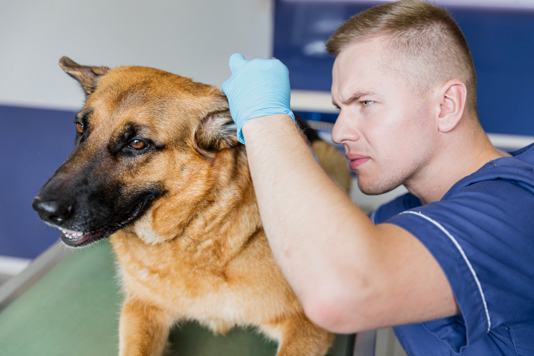
Make it a habit to check your pet thoroughly after every outside walk, play session, or hike. This helps discover fleas and ticks early and provides timely treatment to your fur buddy.
-
Clean the backyard with pet-friendly Insect Growth Regulators (IGR), trim tall grass, and remove leaf litter. Keep the yard fenced to restrict the entry of wildlife that may carry fleas and ticks into the yard.
Conclusion
The seasonal changes do affect the intensity and scope of flea and tick activities on dogs. However, the changing climatic conditions have increased the length of the duration when fleas and ticks are active. Besides, these parasites find a way to hide and survive in times when the temperatures are not favorable, and come back into action when the weather is suitable. This leaves dogs exposed to flea and tick attacks throughout the year, making them vulnerable to various tick-borne diseases. That is why it is imperative to take appropriate steps to provide your canine friend with year-round parasite protection.


 Mohsin Khan

