
Suburban Snares: Keeping Your Dog Safe at Home
If you have a dog at home, the goal isn’t to live on high alert. Instead, it’s about building a home setup that quietly prevents the most common accidents and having a plan for the moments when prevention isn’t enough.
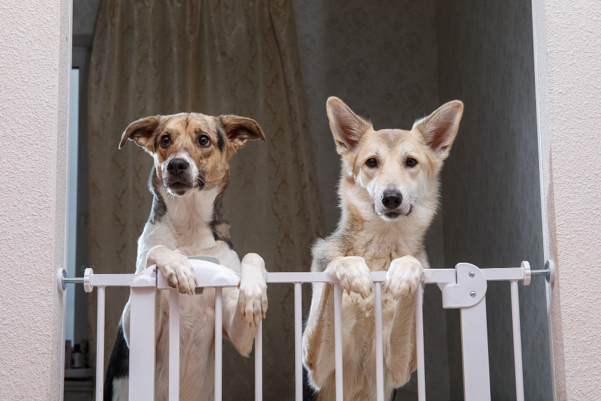
Suburban life often feels like the “safe option” for dogs with quiet streets, fenced yards, and predictable routines. But many dogs are smart, curious, and surprisingly athletic.
That combination is wonderful for training and bonding, but it can also lead them to find the one gap in the fence, the one dropped pill, or the one snack bag left within reach. Those small oversights can quickly turn into potentially troublesome situations.
If you have a dog at home, the goal isn’t to live on high alert. Instead, it’s about building a home setup that quietly prevents the most common accidents and having a plan for the moments when prevention isn’t enough.
Below is a practical safety guide to help reduce risk indoors, in your yard, and during day-to-day routines.
Why dogs get into trouble (even in “safe” homes)
Many dogs share a few traits that can unintentionally lead them into risky situations:
-
Highly observant: They notice patterns and quickly learn how doors, latches, and bins work.
-
Mouthy and exploratory: Especially puppies and adolescents that investigate the world by chewing and tasting.
-
Sensitive stomachs: Even a single “garbage snack” can upset digestion.
-
Fast and agile: Smaller dogs can slip through narrow gaps, while larger dogs may jump higher than expected.
Because of these tendencies, your safety plan should focus on the risks dogs are most likely to discover: access points, chewables, swallowables, and stress triggers.
The entryway: your #1 escape zone
Most “lost dog” situations start at the front door, garage, or driveway. Dogs can move quickly, especially when they think something exciting is happening outside.
Make escapes boring and difficult
-
Add a baby gate or indoor barrier a few feet behind the front door.
-
Teach a simple routine: “Wait” → leash on → “Okay.” Practice when you’re not in a hurry.
-
If you use a garage entry, keep a leash hanging nearby so you don’t casually let your dog wander out.
Check micro-safety basics
-
ID tag and updated microchip information help neighbors return a lost dog quickly.
-
Use a properly fitted harness or collar, as some dogs can slip out of loose gear.
Kitchen dangers: everyday toxins and temptations
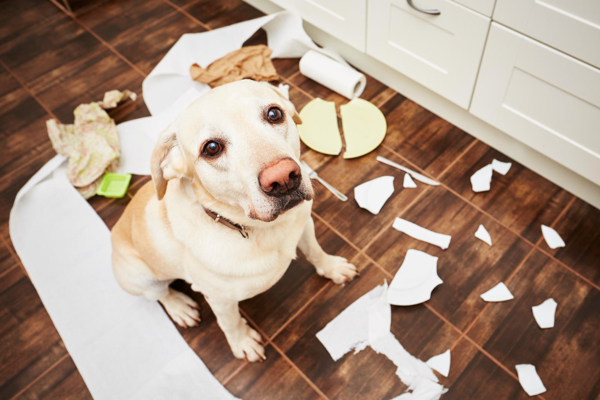
The kitchen is where normal daily life creates sneaky hazards: dropped medications, unsafe foods, and trash access.
The trash can is not a toy box
Many dogs quickly learn how lids and pedals work. Consider:
-
A latched cabinet trash can
-
A locking lid
-
Or storing the trash inside a pantry with a child latch
Common foods to keep out of reach
Even dogs that have “never gone for food” may start experimenting as they mature.
Avoid access to:
-
Fatty leftovers and cooked bones
-
Sugar-free products containing xylitol
-
Grapes, raisins, chocolate, onions, and garlic
If you're doing a whole-home refresh, creating a pet-friendly home often includes securing medications, locking trash bins, and using childproof latches where curious dogs can reach.
Yard hazards: “fenced” doesn’t always mean safe
Backyards can create a false sense of security. Many incidents happen because dogs have time to explore without supervision.
Fence checks (do this from a dog’s perspective)
-
Walk the perimeter and look for gaps under gates or loose boards
-
Remove climb assists such as stacked pots or patio furniture near the fence
-
If your dog likes digging, reinforce weak spots with pavers or buried edging
Lawn and garden risks
Watch out for:
-
Fertilizers and weed killers
-
Slug or snail bait
-
Rodent bait and pesticides
Store chemicals securely and avoid allowing access immediately after application.
Mulch, compost piles, and certain decorative plants can also be tempting for curious dogs, so consider reviewing your garden for potential hazards.
Water safety
Water hazards exist in suburban yards too.
-
Keep pool gates secure
-
Use locked hot tub covers
-
Empty standing water from buckets
-
Cover rain barrels
Garage and tools: the overlooked danger zone
Garages often contain items that are easy for dogs to chew, ingest, or spill.
Important precautions include:
-
Store antifreeze and automotive fluids securely
-
Keep screws, nails, cords, and hardware in sealed containers
-
Place pest control products on high shelves or locked cabinets
If you regularly do DIY projects, perform a quick cleanup check before allowing your dog back into the area.
For new dogs or energetic adolescents, it can also help to set up a predictable safe zone with a comfortable bed, water, and appropriate chew toys.
Know where to go for timely care
If a dog gets into something time-sensitive—such as a possible toxin, blockage, or sudden illness—it helps to have a veterinary clinic that can assess the situation quickly.
For example, one option for pet owners in Colorado is Sploot Veterinary Care in Arvada, which offers same-day vet appointments in Arvada, CO. Having access to prompt exams can help when you don’t want to wait days for an opening.
Timely care can be especially important for urgent red-flag symptoms such as choking, trouble breathing, collapse, or severe uncontrolled bleeding.
In many emergencies, time directly affects outcomes. Gastrointestinal obstructions, for example, often require rapid diagnosis and treatment.
If poisoning is suspected, organizations like the ASPCA recommend contacting Poison Control or a veterinarian immediately for guidance.
Stress triggers: when behavior becomes a safety issue
Dogs can be sensitive to routine changes or lack of stimulation. When they feel anxious, bored, or overstimulated, they may be more likely to chew, bolt, or ingest objects.
Boredom-proof your routine
-
Short training games (10–15 minutes) can be more effective than extra free roaming.
-
Use puzzle feeders or scent games to provide mental stimulation.
-
Maintain a consistent evening wind-down routine, as many dogs thrive on predictability.
If your dog counter-surfs or chews objects
Management often works better than training alone.
Try:
-
Clearing counters
-
Using cabinet latches
-
Keeping appropriate chew toys available
-
Limiting access with gates during busy times
Emergency readiness: when prevention fails
Even the best setup can’t prevent every accident. Having a plan reduces panic and speeds up care.
Build a “when to worry” checklist
Call a veterinarian urgently if you notice:
-
Repeated vomiting or inability to keep water down
-
A swollen abdomen with pacing or unproductive retching
-
Trouble breathing or pale gums
-
Suspected ingestion of medications, toxins, or foreign objects
-
Sudden severe lethargy or signs of pain
Keep key supplies in one place
A simple emergency kit might include:
-
Gauze and self-adhesive wrap
-
Saline for rinsing
-
A digital thermometer
-
Your dog’s weight, medications list, and vaccine history saved on your phone
Hydrogen peroxide should only be used if a veterinarian specifically instructs it for your dog’s situation.
A quick home safety checklist
Entry and exits
-
Gate or barrier behind front door
-
“Wait” cue trained
-
ID tag and microchip updated
-
Trash securely locked
Kitchen
-
Medications stored in cabinets
-
No risky foods within reach
Living areas
-
Socks and hair ties stored away
-
Chew toys appropriately sized and supervised
-
Safe zone (crate or pen) prepared
Yard
-
Fence gaps checked regularly
-
Chemicals locked away
-
No unsupervised access if your dog eats plants or digs
Emergency plan
-
Vet contacts saved
-
Supplies organized in one location
-
Know your urgent warning signs
Conclusion: A calmer, safer home for your dog
Suburban life can be a wonderful environment for dogs. Quiet neighborhoods, outdoor space, and consistent routines all support healthy and active lives.
The goal isn’t to treat your home like a hazard zone. Instead, it’s about quietly removing the risks that cause the biggest problems: easy escape routes, unsupervised yard access, tempting lawn chemicals, and small swallowable objects like socks, hair ties, or toy pieces.
If you do three things this week, focus on these:
-
Secure entry points and fences
-
Review garden and lawn products
-
Create a reliable indoor safe zone for busy moments
Finally, keep one more layer of protection in place: a plan for when something feels off. When symptoms appear suddenly—especially after a possible ingestion—getting a timely veterinary exam can make a meaningful difference.
A dog-safe home isn’t about perfection. It’s about reducing risk so you can spend more time enjoying the good parts: walks, training successes, and everyday companionship.


 Muhammad Saad

