
The Health Benefits of Daily Dog Walking Across Different Life Stages
Daily dog walking often feels like just another thing to tick off the list. You grab the leash, step outside, and head back home once it’s done. It’s something you do because your dog needs it. But what many people don’t realize is how much those daily walks actually shape a dog’s long-term health.
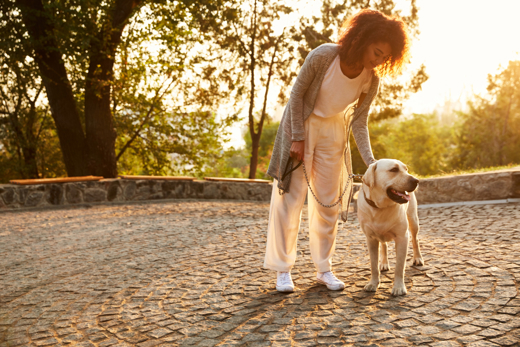
Daily dog walking often feels like just another thing to tick off the list. You grab the leash, step outside, and head back home once it’s done. It’s something you do because your dog needs it. But what many people don’t realize is how much those daily walks actually shape a dog’s long-term health. Today, nearly 60% of dogs are considered overweight or obese, which can lead to joint pain, low energy, and long-term health issues.
In such cases, a walk is not just about exercise. It is fresh air, movement, routine, and mental stimulation all rolled into one. Unlike strict workout plans, walking fits easily into everyday life. It happens naturally, without pressure.
What’s interesting is that walking supports dogs differently as they grow. A puppy doesn’t need the same kind of walk as an adult dog, and a senior dog has very different needs again. Still, the habit remains essential at every stage.
In this article, we’ll look at how daily dog walking benefits dogs throughout their lives—and why adjusting those walks over time matters so much.
A. Puppy Stage
The puppy stage is when everything feels new. New smells, new sounds, new places. It can be exciting for puppies, but also a little overwhelming at times. Daily walks during this stage help puppies feel more comfortable in their surroundings.
These walks don’t need to be long or tiring. Short, gentle walks are more than enough. They help puppies move their bodies, stretch their legs, and grow without putting pressure on their developing joints.
Regular walks support puppies in a few simple ways. They help improve balance and coordination, support healthy muscle and bone growth, and often lead to better digestion and better sleep.
Walking also helps puppies mentally. Puppies learn about the world by sniffing, walking, and watching what’s around them. Being exposed to different places, surfaces, and sounds helps them stay calm and curious as they grow. Over time, this makes them more confident and adaptable as adult dogs.
B. Adolescent Dogs
Adolescence is when many dogs have the most energy—and the least patience. Hormonal changes and growing independence often show up as restlessness or behavioral challenges. Daily walking becomes especially important at this stage.
Regular walks help channel that energy in a healthy way. Dogs that don’t get enough physical and mental stimulation at this stage are more likely to develop destructive habits or anxiety.
Daily walking during adolescence helps with energy regulation, improved focus and responsiveness, and reduced frustration and hyperactivity.
This is also the stage where structured walking matters. Dogs benefit from predictable routines and clear expectations. Walks that combine movement with calm guidance help reinforce training and social behavior.
However, for busy owners, maintaining this consistency can be difficult. That’s why many rely on reliable services like Trails and Tails Dog Walking. These organizations help ensure adolescent dogs get regular, structured walks that support both physical health and behaviour. All in all, this stage is less about tiring dogs out—and more about helping them learn how to settle.
C. Adult Dogs
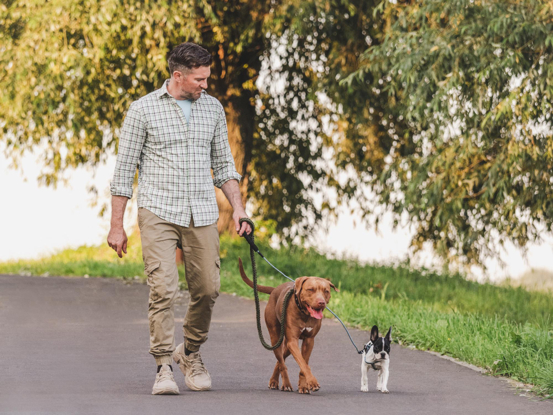
During adulthood, the dog walking routine shifts from development to maintenance. Daily walks help adult dogs stay fit, balanced, and mentally engaged. Regular movement supports heart and lung health, healthy weight management, and strong muscles and flexible joints.
Also, adult dogs that walk daily are less likely to develop obesity-related conditions. Walking also keeps digestion regular and energy levels steady. Plus, mental stimulation is equally important. Without this stimulation, adult dogs can become bored or restless.
Long story short, at this stage, walking becomes preventive care.
D. Senior Dogs
As dogs age, their speed slows down. But the need for daily movement does not disappear. As they age, walking plays a vital role in maintaining comfort and independence.
Precisely speaking, gentle daily walks help reduce joint stiffness, maintain muscle strength, and improve circulation.
By the way, during this time, short but regular walks are better than long or intense ones. The goal is to keep the body moving without causing strain. Mental health also benefits greatly at this stage. Walking provides routine and structure and reduces anxiety and restlessness. Last but not least, even slow walks help senior dogs feel connected and purposeful.
To Sum It All Up!
At the end of the day, daily walks are one of the easiest ways to take care of your dog. Getting out for a walk helps them stretch their legs, clear their head, and just feel better overall. It’s not about going far or keeping a certain pace. It’s simply about grabbing the leash and stepping outside together, even on busy days. When you keep showing up like that, those small walks start to matter more than you think.


 Muhammad Saad

