
Maintaining Your Dog’s Oral Health
In this article, we discuss the leading causes of oral issues in dogs and what you, as an owner, can do to help prevent them.
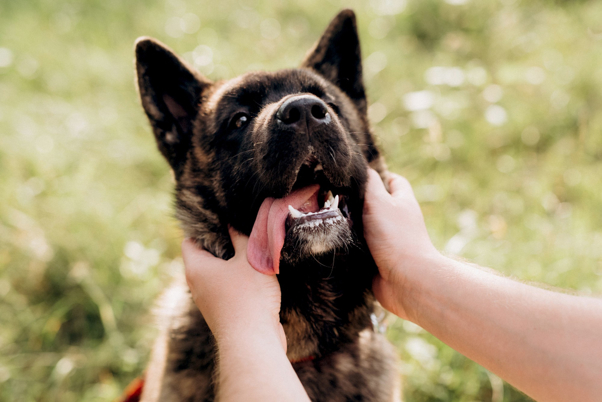
Many pet owners believe that bad breath is just a “cute” minor flaw or a small inconvenience. However, that unpleasant smell is often an indication of bad oral health and can be the first warning signal of a major health crisis.
In this article, we discuss the leading causes of oral issues in dogs and what you, as an owner, can do to help prevent them.
What a Dog’s Bad Breath Really Means
A dog may have the occasional bout of unusual bad breath from eating something found in the garbage or from something unsavory outside, but it is important to take note if and when it is a continuous problem.
If your dog’s breath smells worse than what is typical, they most likely need better oral care. Also called halitosis, a persistent foul odor can be an indicator of several oral issues, ranging from a broken tooth to different diseases outside of the mouth.
The Root of Most Oral Health Issues
Poor oral hygiene can affect dogs’ overall health and quality of life. Apart from the occasional chewing on a haphazard object (and other similar instances), an underlying oral issue can often remain unnoticed, worsening until a dog is visibly uncomfortable or distressed.
Periodontal disease is the most common cause of your dog’s bad breath. This disease is an inflammatory condition caused by the build-up of plaque and tartar that eventually attacks the mouth if not properly taken care of. Studies find that 80% of dogs show signs of periodontal disease by the age of three.
Since it takes time to build up, cases of periodontal disease are often diagnosed at a much later, advanced stage, when dogs show some of these symptoms:
-
bleeding/inflamed gums
-
excessive drooling
-
changes in eating habits (favoring one side of the mouth, loss of appetite)
-
teeth appearing yellow/brown
The build-up of plaque can be a gateway to even more serious conditions, such as canine stomatitis. Bacteria in infected gums can enter the bloodstream, increasing the risk of damage to the heart, liver, and kidneys by over 20%.
Note: If your dog’s breath persistently smells like dead fish or sewage, you should see your vet as soon as possible. Paired with unusual behavior, a continuous rotten smell on your dog’s breath is a sign of a severe underlying issue.
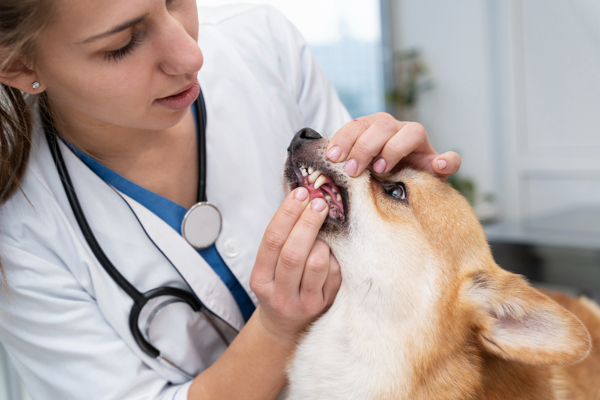
Where the Plaque Starts
Within roughly 6-12 hours after eating, dental plaque begins to form in a dog’s mouth. If not treated promptly and correctly, it can calcify into tartar (calculus) within as little as 24 hours to 3 days.
Once dental calculus is formed, it must be treated by professional veterinarians, and requires a dog to go under anesthesia.
Plaque control is an essential part of canine oral health. Regular brushing, dental chews/toys, a balanced diet, and fresh drinking water are the most popular ways for owners to keep their dog’s dental health in check.
Improving Dog Dental Hygiene
Getting your dog accustomed to oral care as soon as possible makes the process easier for both of you in the long run. Having your dog lick a canine-safe toothpaste from your finger or moving your fingers around their gums can help them get used to oral health checks.
Regular visits to the vet are the key to long-term health. Examinations and professional cleanings can give you insight into whether what you’re doing is maintaining your pup’s health, and can help in diagnosing any dental problems early on.
Choosing Safe and Effective Products
Picking the right dog dental care products is extremely crucial when it comes to improving oral health. Since every product is formulated with different ingredients and is supposed to be used in a particular way, make sure to choose products that cater to your dog’s individual requirements and preferences.
Knowing which ingredients do what is your best line of defense in finding dental care solutions that actually help your dog.
What ingredients are proven beneficial:
-
Chlorhexidine: The most effective antibacterial agent for reducing dental plaque.
-
Enzymes: break down bacteria and plaque, mimicking the natural saliva defense system of dogs.
-
Stabilized chlorine dioxide: safe oxidation of odors, non-irritating.
Ingredients dogs should NOT ingest:
-
Xylitol: Highly toxic. Even at extremely low doses (0.1g/kg body weight), it can lead to fatal hypoglycemia and liver failure.
-
Grain alcohol: can dry the gums and cause discomfort.
-
Artificial sweeteners: excessive and potentially harmful.
Conclusion
The best dental care plan is the one you can truly stick to. Consistency and practice in maintaining your dog’s oral health will ultimately benefit both you, giving you and your pup many more happy, healthy years together.


 Abderrahim Lafifi

