
Setting Up Outdoor Kennels: Best Practices for Safety and Comfort
An outdoor kennel can be a safe, low-stress place for dogs to relax, stretch, and enjoy fresh air, but only if it's built with their comfort and welfare in mind. In this guide, we'll walk through the must-haves (and nice-to-haves) so your kennel is easy to maintain and keeps dogs healthy in every season.
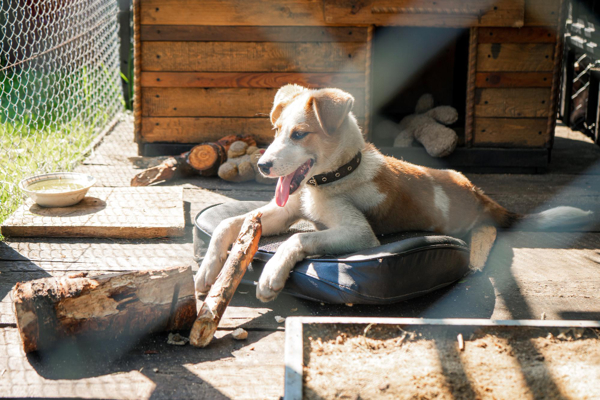
An outdoor kennel can be a safe, low-stress place for dogs to relax, stretch, and enjoy fresh air, but only if it's built with their comfort and welfare in mind. In this guide, we'll walk through the must-haves (and nice-to-haves) so your kennel is easy to maintain and keeps dogs healthy in every season.
Pick the Right Place
Before setting up posts, walk the yard and consider your daily life, your dog's habits, the climate in your region, and how you'll clean and access the space. This is all part of dog-friendly landscaping. Location is half the battle in setting up an outdoor kennel.
Here are some tips:
- Choose the street proximity: If your dog barks at passersby, keep the kennel away from sidewalks to reduce reactivity. If you plan to add A/C, heating, or cameras, place the kennel closer to the house for power and shorter runs.
- Check for shade and airflow: Prioritize natural shade and open breezes, especially if you live in a hot state. Avoid heat traps, such as south-facing walls, dark fences, or enclosed corners that block wind.
- Choose well-drained ground: Choose a place with high, dry soil that sheds water, especially if you're planning to set the kennel on the lawn, rather than a concrete base.
- Select the right entrance orientation: Many builders opt for south-facing doors to minimize cold winter winds.
- Check for rules: Confirm property-line setbacks, HOA rules, and any local requirements before you start building. Moving a finished kennel is no fun.
Get the Sizing Right
Sizing is one of the most important parts of an outdoor kennel. Your dog should be able to stand up, turn around, and lie fully stretched out without hitting walls or the roof. Measure your dog and size the kennel accordingly, rather than relying on a generic breed chart.
Measure your dog's height (floor to withers), length (nose to pase of tail), and body width at the chest. Then, use these minimum dimensions for your kennel:
- Height: Your dog's height + 9 inches
- Length: Your dog's length + 18 inches
- Width: Your dog's width + 12 inches.
These are minimums for comfort. Go bigger if you have room, especially for energetic dogs or longer stays. Also, if you're housing more than one dog, increase square footage accordingly.
Choose Durable Flooring
Good flooring is safe underfoot, easy to sanitize, and drains quickly. Avoid using bare dirt or loose gravel in your kennel, as they both trap waste and attract pests. You can also slope hard bases 1 to 2% toward a drain and seal edges so liquid can't seep underneath.
Here are the most common flooring options for kennels:
- Rubber flooring: Rubber is non-slip, joint-friendly, and great in sleeping areas. You can use dense, sealed mats on sealed concrete so urine can't seep under, but you can still lift them in case you need to deep clean.
- Epoxy-coated concrete: Epoxy is a seamless, disinfectant-safe surface that is easy to clean. You can add a light texture to it for traction and a slope to a floor drain.
- Polyurea coatings: This is a tough, fast-curing alternative to epoxy with excellent chemical/abrasion resistance. It is ideal for high-wash zones and freeze-thaw climates, but it typically incurs higher installation costs.
- Kennel deck: Decks keep dogs above moisture and offer speedy drying. Select your heavy-duty panels, secure them, and pair them with solid beds for added comfort and support.
Tip: Add a removable tray to your kennel to facilitate cleaning.
Go for Pet-Safe Materials
Choosing the right shell for your kennel will help keep dogs secure and comfortable, and your cleaning routine simple. Aim for chew- and rust-resistant panels, tight welds, tamper-resistant latches, and non-porous surfaces that won't trap odors and bacteria.
Here are some of the most used options:
- Metal (galvanized, powder-coated steel, aluminum): This material is extremely durable and chew-resistant, but conducts temperature, meaning it can get hot in the sun and cold in winter. If you choose metal, pair it with shade/airflow and, in extreme climates, targeted heating and cooling.
- Wood: Timber is naturally insulating, but it requires higher maintenance. You'll need to seal it against moisture regularly, monitor for rot and termites, and install chew guards on the corners.
- Plastic and composites: These materials are usually lightweight and easy to sanitize, but less rigid for large and active dogs. They can also become excessively hot in the summer. They're best used as liners or interior panels with a strong frame, not the sole structural material.
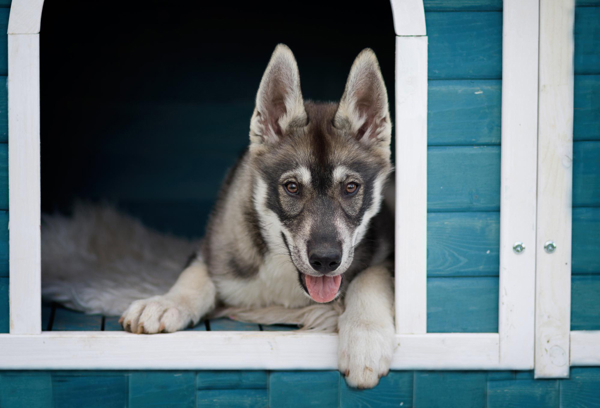
Weather-Proof Your Kennel
Summer and winter demand different setups for your outdoor kennel. If you've already prioritized shade, double down when temperatures climb, and then switch to block wind and hold heat when cold fronts roll in. Check below for a few extra tips:
- For summer heat, add shade that actually works, such as stretching a UV-blocking canopy over the run, and keep sides open for airflow.
- Raising your kennel's floor with raised decking can also help cut heat retention and moisture underfoot.
- If you choose metal panels, consider adding a portable air conditioner and shielding sun-facing walls.
- For winter, insulate the shell of your dog's kennel by lining the walls and roof and sealing drafts (but keep a vent up high for fresh air).
- You can use heated pads rated for pets or a thermostat-controlled heater mounted out of chewing range.
- Hang wind barriers or tarps on exposed sides and face doors away from the wind.
- Elevate food bowls and use heated water bowls in freezing temperatures so your best friend always has liquid water.
Caution: Unless your veterinarian gives the all-clear, don't house dogs outdoors if they're not acclimated to local temperatures, are heat- or cold-intolerant, or are very young, elderly, sick, or recovering.
Keep the Kennel Secure
A secure kennel starts with smart placement and sturdy hardware. Keep supervision easy, make exits hard, and block every common escape route by following these tips:
- Place the kennel where you can watch: Keeping it close to the house makes quick check-ins easier. If it must sit farther away, install a security camera with night vision, motion sensors, and alerts.
- Light the area: Add motion-detecting lights so you can see and be seen after dark.
- Lock the entry: Use heavy-duty latches that dogs can't nose open. A self-closing hinge helps prevent accidental gaps.
- Build the kennel tall enough: Choose the fencing height according to your dog – taller panels for large or athletic jumpers, and consider a roof or angled topper for climbers.
- Install dig guards: If your dog has digging habits, you can bury a wire apron along the inside perimeter or pour a concrete footer so paws can't tunnel under.
- Anchor everything: Bolt panels to footers, use ground anchors on freestanding runs, and secure the roof/shade so wind can't lift it.
Make It Engaging
An outdoor kennel shouldn't be a "time out;" it should be a place where Fido can relax and stay busy. If your puppy will be there for more than a couple of hours, build in mental and physical enrichment so they come out calm, not wound up. Here are a few things you can do:
- Add a run for movement and backyard play
- Keep 3 to 4 kennel-safe toys (think tough rubber)
- Use puzzle feeders
- Offer vet-approved chews
- Build a dig box with sand
- Create levels and views
A Safe Place, Made With Care
A good outdoor kennel is a simple promise: your dog has a safe, shaded spot to rest until it's time to be with you again. With sturdy panels, clean floors, fresh water, and a toy or two, you can build comfort into every day, whether it's summer or winter. Peek in often, share a snuggle, and let this little space be one more way you show love to your best friend.


 Muhammad Saad

