
Winter Prep for Dogs: Simple Ways to Keep Your Pup Warm
Just like humans, dogs can struggle with dropping temperatures, icy sidewalks, and shorter days. Whether you live somewhere with heavy snowfall or mild chilly mornings, it’s important to know how to keep your pup warm, healthy, and safe during the colder months.
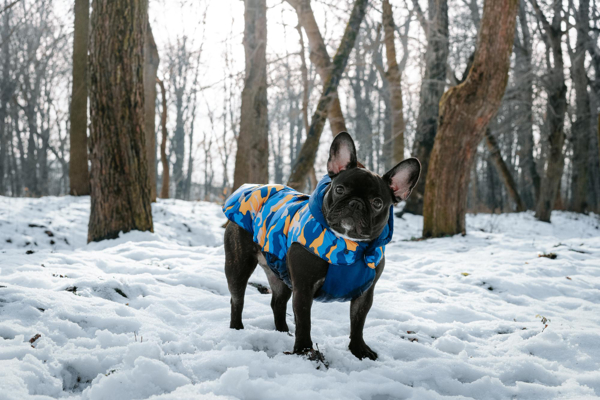
Winter can be a magical season, but for dogs, it also comes with challenges.
Just like humans, dogs can struggle with dropping temperatures, icy sidewalks, and shorter days. Whether you live somewhere with heavy snowfall or mild chilly mornings, it’s important to know how to keep your pup warm, healthy, and safe during the colder months.
Some lucky breeds are built for the snow, such as Siberian Huskies or Bernese Mountain Dogs. Others, like Chihuahuas or Greyhounds, don’t have the same natural protection. But regardless of breed, age, or size, all dogs have a higher baseline body temperature than humans, meaning that they may even feel cold more quickly than us.
Implications of Cold Weather on Dogs
Cold weather doesn’t just make walks less comfortable; it can also have measurable effects on a dog’s health. A study examined 12 outdoor dogs in a cold city in Turkey, where researchers found that severe cold not only affected mobility and behaviour but also significantly influenced vital signs, such as body temperature, respiration, and pulse, as well as key blood parameters. The findings highlight that winter conditions can cause physiological stress, reinforcing the need for extra care and protection for dogs during colder months. That's why every dog benefits from a little extra care and protection when the temperature dips.
Below, we’ll walk through the most effective ways to help your dog stay comfortable this winter.
1. Dressing Your Dog for the Cold
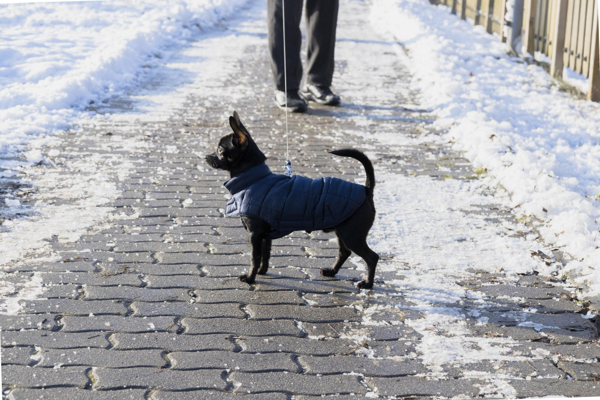
Dog coats aren’t just a fashion statement. For many breeds, they are a necessity. Many breeds benefit from winter coats, particularly when temperatures drop below freezing. Smaller dogs, short-haired breeds, and senior dogs are especially vulnerable to the cold.
Which is why a properly fitted winter coat or sweater can make a world of difference, but it's important that you keep these points in mind to ensure comfort and mobility for your pup:
- Fit matters: The coat should cover the neck and belly without restricting movement
- Material choice: Look for waterproof outer layers if you live in snowy or rainy regions
- Layering: Avoid bulky coats that make walking difficult; comfort is key
For extended time outdoors or in very cold conditions, a well-fitted dog coat offers essential protection, while a cozy sweater is perfect for shorter walks or simply adding warmth to your dog’s daily winter routine.
2. Protecting Their Paws
While we bundle up with boots, dogs usually face icy sidewalks and salted roads with bare paws. Salt, chemicals, and ice can cause irritation and even injuries. Practical tips for paw safety include:
- Dog booties: Ideal for icy sidewalks, offering both warmth and protection
- Paw balms: Moisturizing waxes that create a protective barrier against salt and cold
- Post-walk care: Always wipe or rinse your dog’s paws after outdoor time to remove residue
If your dog refuses to wear boots (and some certainly do), consistent paw cleaning and balm application can still provide solid protection.
3. Creating a Warm Home Environment
Even indoors, dogs can get chilly in winter. Hardwood or tile floors can sap body heat, especially for smaller breeds. You want to ensure that drafts from doors or windows don't make resting spots any less comfortable for your dog.
There are also other essentials to consider to ensure your dog has a warm and comfortable place to rest.
Some effective options include:
- Elevated beds: Keep dogs off cold floors and improve air circulation
- Blankets and mats: Layer soft bedding to trap warmth
- Warm sleeping spots: Place beds away from drafts, doors, or uninsulated windows
For older dogs with arthritis, heated dog beds and mats can ease joint stiffness while keeping them cozy. Puppies and young dogs, who are still developing, also benefit from extra warmth to support growth and energy levels.
4. Adjusting Nutrition in Winter
Cold weather often means dogs burn more calories just to stay warm. Some may require a slight increase in food, while others, especially less active dogs, may need careful portion control to avoid winter weight gain. Monitoring nutrition and keeping a good balance is key.
Keep these factors in mind:
- Active dogs: Increase food slightly if outdoor activity is high.
- Less active dogs: Maintain portions to avoid extra weight from decreased activity.
- Hydration: Cold air is dry; make sure fresh water is always available.
Make sure to avoid overfeeding. Regardless of activity level, consistently monitor your dog's weight and adjust their diet accordingly to avoid obesity, which can lead to health problems.
Tips for Overweight Dogs
If your dog is already overweight, carefully manage diet and exercise to maintain or gradually reduce weight, avoiding drastic food cuts or excessive exercise unless directed by your veterinarian. Try eliminating treats first, but before starting any weight-loss plan, it's essential to check underlying health issues, so you and your vet can create a safe, structured program.
5. Keeping Up with Exercise
It’s tempting for humans to shorten walks when it’s freezing outside, but regular exercise is essential for your dog’s physical and mental health. It’s important to maintain a winter exercise plan to keep your dog (and yourself) healthy, burn excess calories, and prevent boredom. Even short bursts of activity can make a big difference.
Here are some ideas to keep your pup moving during colder months:
- Shorter, more frequent walks: Several 10-minute walks may be better than one long outing, especially in icy or windy conditions
- Indoor games, such as tug-of-war, hide-and-seek, or treat puzzles, help keep your dog active and mentally stimulated
- Doggy playdates: Social interaction can be as energizing as physical exercise, providing both mental and physical benefits
Regular exercise also stimulates your dog's mental health and enhances intelligence. Indeed, outdoor activities provide new sights and smells, stimulating curiosity, but indoor games require mental engagement, preventing boredom and anxiety.
Puppies benefit from multiple short play sessions to burn energy and stay engaged, while senior dogs gain from gentle movement, aiding mobility and joint health.
6. Recognizing Signs Your Dog is Too Cold
Even with precautions, it's crucial to know the signs of dog discomfort in cold conditions. Prolonged exposure to freezing temperatures can lead to conditions that pose serious health risks, like hypothermia and frostbite. Recognizing early signs can be life-saving.
Signs Your Dog May Be Too Cold:
- Shivering or Trembling: A common response to cold as the body attempts to generate heat
- Lethargy or Weakness: Reduced energy levels and reluctance to move
- Pale, Blue, or Gray Gums: Indicates poor circulation and oxygenation
- Cool or Cold Extremities: Ears, paws, and tail may feel unusually cold
- Muscle Stiffness or Difficulty Walking: Reduced mobility due to muscle contraction
- Dilated Pupils: A sign of severe cold stress affecting the nervous system
- Disorientation or Confusion: Impaired mental function due to low body temperature
- Seeking Warmth: Attempting to burrow or find shelter from the cold
- Slow or Irregular Breathing: Respiratory rate decreases as body temperature drops
Signs of Frostbite:
- Cold, Brittle Skin: Affected areas feel hard and cold to the touch
- Discoloration: Skin may appear pale, gray, or bluish
- Swelling or Blisters: As tissue warms, swelling and blisters may develop
- Pain or Tenderness: The dog may show signs of discomfort when the area is touched
- Blackened Skin: In severe cases, tissue death can lead to blackened skin
If you observe any of these signs, it's important to get your dog indoors immediately and contact your veterinarian. Frostbite can be harder to detect and may not be fully recognized until damage is severe.
Final Thoughts
Winter care for dogs is about balance and ensuring protection without limiting the joy of the season. Winter can actually be a great moment to bond with your dog if done correctly. With the right clothing, paw protection, indoor comfort, proper nutrition, and safe exercise, your dog can enjoy the chilliest months and have fun, perhaps in a fun Christmas-themed dog sweater.
Most importantly, stay attentive. Every dog is different, and by watching your pet closely, you’ll know when they’re comfortable and when they need a little extra warmth.
Lastly, Be Prepared!
Cold weather can bring severe winter storms, blizzards, and power outages, so it’s important to plan ahead. Include your pet in your emergency preparations by keeping a disaster kit stocked with enough food, water, and medications (including prescription drugs and preventative treatments) to last at least five days.


 Muhammad Saad

