
Decoding the Zoomies: The Science Behind the Behavior and How to Channel It
In this article, we'll dive into the behavioral science of zoomies, explore common triggers, and share practical strategies to channel that energy productively, drawing on insights from experts and recent veterinary research.
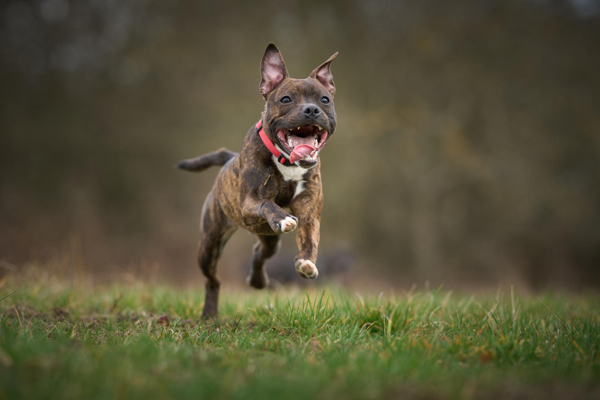 If you've ever watched your dog suddenly bolt across the room like a furry rocket, darting in circles, leaping over furniture, and looking utterly possessed by joy. In that case, you've witnessed this infamous canine expression of excitement. In this article, we'll dive into the behavioral science of zoomies, explore common triggers, and share practical strategies to channel that energy productively, drawing on insights from experts and recent veterinary research.
What Exactly Are Zoomies?
“Zoomies” is the affectionate term many of us use for what science calls FRAPs— Frenetic Random Activity Periods. These are short, intense bursts of energy when dogs run, leap, spin, and dart, often in spontaneous, unpredictable ways. Although it might feel chaotic, it’s completely normal behavior rooted in your dog’s natural biology. These bursts help dogs release built-up energy, reduce stress, and maintain mental and physical balance. They can be signs of bad behavior or disobedience, but usually they’re just one of those dog things we get to witness with both amusement and (occasional) exasperation.
Triggers Are Numerous and Diverse
Several factors can spark a zoomie episode, and recognizing them helps owners anticipate and manage the fun. One primary cause is built-up energy from confinement or boredom. If your pup has been crated during the day or lounging while you're at work, that evening sprint around the yard is their way of shaking off the stagnation. Stress relief is another big trigger. Zoomies can act as a displacement behavior when dogs feel overwhelmed, such as after a vet visit or during thunderstorms. Post-bath zoomies are legendary among owners of water-averse breeds. The sudden freedom from wetness prompts a celebratory dash, possibly to dry off or reclaim their scent. Excitement from seeing a favorite person, another dog, or even mealtime can also spark an episode. Lastly, breed, age, and personality play a role. High-energy breeds are especially prone to the zoomies. Puppies and adolescents lead the pack in frequency, though dogs of all ages may surprise you now and then. Some dogs simply have more exuberant dispositions.
Channeling and Managing Zoomies
Being able to recognize subtle body language cues, like dilated pupils, tucked tails, or playful bows, can help signal an impending zoomie and allow owners to redirect before chaos ensues. Positive reinforcement training offers a framework for channeling these episodes. Dogs learn to offer calm behaviors for rewards, which can prevent zoomies from escalating into unwanted habits like jumping or nipping.
The goal isn’t to stop zoomies. They’re natural and beneficial. Instead, the aim is to channel them in safe, constructive ways. Below are strategies that work well for breeders, dog owners, and anyone in between.
Create a Safe Zoomie Zone
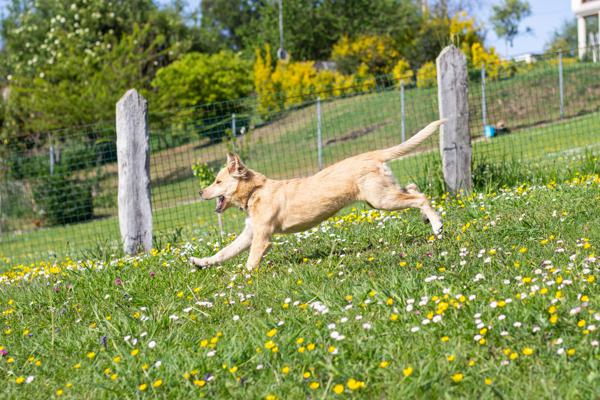
Pick a spot. A fenced yard, a cleared living room, or any place free from fragile items, slippery floors, or sharp edges will provide the necessary environment. When you see the warning signs like wide eyes, crouched posture, or sudden bursts, gently guide your dog to that space with a cheerful cue. This helps prevent accidents and builds good habits.
Use Positive Reinforcement and Impulse Control
One tool from expert behaviorists is to notice the subtle indicators that a zoomie is coming and redirect gently. Calm cue-words, treats, and reinforcing calm behaviors (e.g., sit, down, wait) can help your dog learn control over time. It’s not about suppressing energy. It’s about offering choices and structure.
Identify and Use Breed-Specific Outlets
Each dog is different—what fires up one may bore another. Here are some breed- and personality-tailored activities:
- High-energy/herding breeds: Agility courses, obstacle weaving, running drills, puzzle toys.
- Scent-focus breeds: Hide-and-seek with treats, nose work games, feeding toys.
- Terriers/chase lovers: Toys that mimic prey (flirt poles, chase ropes) are great.
- Puppies or younger dogs: Short but frequent play sessions, rotating toys to keep novelty high.
Structured Play for Litters and Breeder Settings
If you’re breeding dogs and caring for a litter, zoomies can be a double-edged sword: fun and useful for socialization, but also chaotic. Some suggestions include:
- Supervised group play with safe, interactive toys.
- Rotate the toys frequently so pups stay interested.
- Balance excitement with calm periods. Allow rest so puppies aren’t overstimulated.
When to Check with a Pro
While zoomies are usually harmless, know when to consult a pro. If episodes seem obsessive, accompanied by aggression, or occur excessively, i.e., more than a few times daily, it could signal underlying issues like anxiety, nutritional imbalances, or even rare conditions such as canine ADHD. Sudden onset in seniors might warrant a vet check for pain or cognitive changes.
Putting It All Together
Here’s a simple “action plan” you can start using today:
- Watch and recognize early cues (body posture, excitement, restlessness).
- Cue to play: “Ready?” or “Let’s go!” to transition into a safe play zone.
- Provide relevant outlets: tailored to breed, age, and personality.
- Reward calm behaviors after the zoomies to help balance the excitement.
Zoomies - a blend of instinct, energy, and emotion
In conclusion, decoding the zoomies reveals a window into your dog's inner world. By embracing the science, from evolutionary play to stress relief, and applying appropriate tools and tactics, you can transform these explosions into enriching experiences. Whether you're a breeder prepping pups for new homes or an owner navigating daily life, remember that a well-managed zoomie is a happy dog in motion. Next time your furry friend launches into orbit, join the fun: grab a toy, cue the play, and watch the magic unfold.


 Muhammad Saad

