
How to Recognize and Manage Pain in Senior Dogs
In this guide, we’ll explore the most common causes of pain in older dogs, the subtle signs owners often miss, and practical strategies to ease discomfort at home, alongside vet-approved treatments. By understanding your dog’s pain signals and responding proactively, you can help them live their golden years with energy and joy.
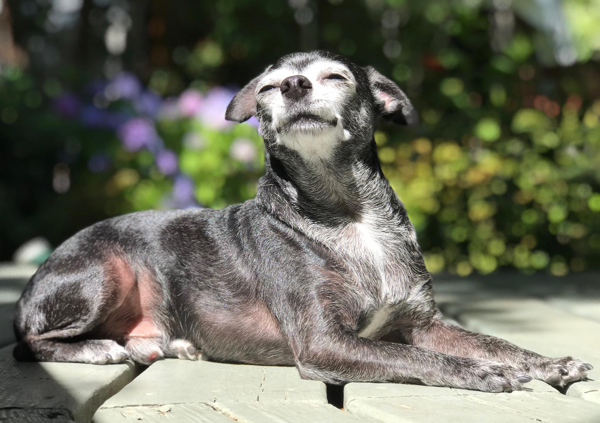
Recognizing and managing pain in senior dogs is critical— not just to keep them comfortable, but to preserve their mobility, happiness, and daily routine. In this guide, we’ll explore the most common causes of pain in older dogs, the subtle signs owners often miss, and practical strategies to ease discomfort at home, alongside vet-approved treatments. By understanding your dog’s pain signals and responding proactively, you can help them live their golden years with energy and joy.
Why Senior Dogs Experience Pain
As dogs age, pain can become a quiet but persistent companion. What looks like “slowing down” often signals underlying discomfort. Understanding the causes helps owners take early steps to keep senior dogs active and comfortable.
Common Causes of Pain in Older Dogs
- Arthritis and Joint Degeneration: With age, cartilage thins and joints inflame, leading to stiffness and soreness. Hesitating on stairs, avoiding jumping, or cutting walks short are all signs of arthritis limiting a dog’s mobility.
- Dental Pain: Gum disease, loose teeth, or decay make eating uncomfortable and may trigger weight loss or irritability. Dental issues are common in senior dogs but often overlooked.
- Cancer or Tumors: Senior dogs face a higher risk of tumors, which can cause localized pain, swelling, or limping. Early detection through regular exams is essential.
- Muscle Weakness & Inflammation: Age-related muscle loss or past injuries can make rising, walking, or playing painful. Discomfort often discourages exercise, creating a cycle of weakness and stiffness.
- Other Conditions: Chronic diseases like kidney or neurological disorders may cause subtle but ongoing pain. Signs often appear as reduced play, more sleep, or anxiety, all easily mistaken for normal aging.
Recognizing that pain often has multiple causes allows owners to spot problems sooner and take proactive steps to protect mobility and quality of life.
Recognizing the Signs of Pain
Pain in senior dogs is often subtle. Since dogs can’t tell us directly, many instinctively hide discomfort, making careful observation essential.
Subtle Signs of Pain in Senior Dogs
- Limping or Favoring a Limb: Shifting weight off a sore leg, avoiding stairs, or dragging a paw can point to chronic discomfort. Left unmanaged, it may strain other joints.
- Reduced Activity: A once-active dog that avoids walks or play may be signaling joint or muscle pain. Reduced movement often worsens stiffness and weight gain.
- Vocalizations: Whining, whimpering, or yelping during movement — especially when standing, climbing, or being touched in sore areas — are clear signs of pain.
- Changes in Eating or Grooming: Dental pain may cause appetite loss, while discomfort can make grooming difficult, leading to matted fur or neglected hygiene.
- Irritability or Withdrawal: Snapping, hiding, or avoiding interaction often reflects ongoing discomfort rather than just “grumpiness.”
- Stiffness After Rest: Morning stiffness or hesitation to rise is a hallmark of arthritis. Dogs may move slowly until loosened up.
Spotting these signs early allows owners to adjust care, with better bedding, gentler exercise, or veterinary support, and preserve comfort and mobility.
At-Home Pain Management Strategies
Managing a senior dog’s pain at home doesn’t always require medication. Small, consistent adjustments to their routine and environment can greatly reduce discomfort and improve quality of life.
Practical Strategies
- Supportive Bedding: Orthopedic or memory foam beds cushion joints and ease pressure points. Raised or bolstered designs also make it easier for dogs to get in and out without strain.
- Gentle Massage or Warm Compresses: Massaging sore muscles or applying warmth to stiff joints boosts circulation and eases discomfort. A few minutes daily also helps owners spot tense or painful areas.
- Low-Impact Exercise: Short walks, swimming, or gentle stretching keep muscles strong without overloading joints. Regular movement prevents stiffness and helps maintain energy.
- Joint Support Supplements: Glucosamine, chondroitin, and omega-3s may reduce inflammation and support joint health. Always consult a vet before starting supplements.
- Home Adjustments: Non-slip rugs, ramps, or moving food and water bowls closer to rest areas reduce strain on sore joints. These small changes can make daily life easier.
- Monitor & Adapt: Track activity, behavior, and comfort. Adjust exercise or rest as needed to match your dog’s condition.
Even small steps, like a warm compress after a walk or a cushioned bed in a favorite spot, can make a big difference in comfort.
Veterinary-Recommended Medical Interventions
Non-Steroidal Anti-Inflammatory Drugs (NSAIDs): These medications help reduce inflammation and alleviate pain associated with conditions like arthritis. They are commonly prescribed for senior dogs experiencing chronic pain.
Analgesics: Medications such as tramadol or gabapentin may be used to manage pain, especially when NSAIDs are not suitable or effective alone.
Joint Injections: In cases of severe arthritis, intra-articular injections containing corticosteroids or hyaluronic acid can provide targeted relief.
Physical Rehabilitation: Veterinary-guided physical therapy, including hydrotherapy and massage, can improve mobility and reduce pain.
Surgical Options: In some cases, surgical interventions like joint stabilization or replacement may be considered for dogs with advanced joint disease.
When to Consult Your Veterinarian
Even with careful at-home care, there are times when professional guidance is essential. Consulting a veterinarian ensures that underlying causes of pain are properly diagnosed and managed, preventing complications and improving your dog’s quality of life.
Key Situations to Seek Veterinary Advice
Persistent or Worsening Pain
If your dog shows continuous limping, stiffness, or signs of discomfort that don’t improve with rest, it’s time to seek professional care. Chronic pain can indicate arthritis progression, muscle injury, or other medical conditions.
Sudden Changes in Behavior
Withdrawal, aggression, or reluctance to move may signal acute pain. A vet can assess whether these changes are behavioral or due to an underlying physical problem.
Appetite or Weight Loss
Painful conditions such as dental disease or arthritis can reduce appetite. Sudden weight loss or difficulty eating warrants a vet visit to rule out serious issues.
Difficulty Performing Daily Activities
Trouble standing, climbing stairs, or navigating around the house can indicate joint or muscle pain. Early intervention helps maintain mobility and prevents secondary injuries.
Signs of Severe Health Issues
Symptoms like vomiting, diarrhea, sudden swelling, or labored breathing in a senior dog should be addressed immediately by a veterinarian, as they may indicate urgent medical conditions.
Proactive Care
Even in the absence of acute pain, scheduling regular veterinary check-ups allows for early detection of arthritis, joint degeneration, or other age-related conditions. Vets can recommend tailored pain management plans, including medications, supplements, or physical therapy, to keep your dog comfortable and active.
Monitoring and Ongoing Care
Managing pain in senior dogs is an ongoing process. Regular observation and record-keeping help you spot subtle changes and adjust care before problems worsen. Using a simple journal or app to track these observations allows you and your veterinarian to notice trends and make informed decisions about your dog’s care.
FAQs About Recognizing and Managing Pain in Senior Dogs
- How can I tell if my senior dog is in pain or just aging? Subtle signs like limping, stiffness, or reduced activity often indicate pain rather than normal aging.
- Are supplements safe for senior dog pain? Glucosamine, chondroitin, and omega-3s can help, but always consult a vet first.
- Can at-home care really help? Supportive bedding, gentle exercise, massage, and environmental adjustments can significantly reduce discomfort.
- Is human medication safe for dogs? No, many are toxic. Only use vet-approved medications.
- When should I see a vet immediately? Sudden limping, swelling, vomiting, or severe behavioral changes require prompt veterinary attention.
- Can pain management improve quality of life? Yes, proper management restores mobility, encourages activity, and reduces irritability.
Final Thoughts
Pain in senior dogs is often subtle but deeply affects their quality of life. Early recognition, paired with thoughtful care at home and guidance from a veterinarian, can greatly improve comfort and mobility.
Supporting your dog means spotting the signs, making small daily adjustments, and scheduling regular check-ins to stay ahead of chronic pain. Most importantly, pain management isn’t just about easing symptoms. It’s about helping senior dogs enjoy their golden years with dignity, energy, and the simple joy of everyday life.


 Abderrahim Lafifi

