
Senior Dogs & Exercise: What’s Still Okay — and What’s Not?
Dogs grow older — that’s just life. But aging doesn't mean giving up joy, curiosity, or movement. In fact, gentle physical activity is one of the best ways to help senior dogs stay vibrant, alert, and emotionally fulfilled.
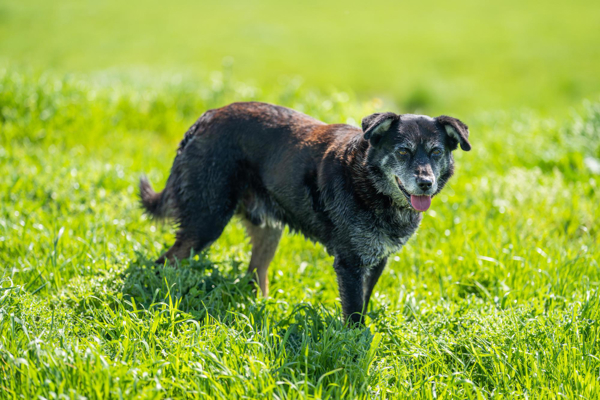
Dogs grow older — that’s just life. But aging doesn't mean giving up joy, curiosity, or movement. Their pace slows. Their bodies change. But the desire to sniff every bush and walk by your side never really fades. In fact, gentle physical activity is one of the best ways to help senior dogs stay vibrant, alert, and emotionally fulfilled.
First things first: Aging isn’t a diagnosis.
It’s a natural process, not a disease. But an aging body becomes more fragile — muscles weaken, joints stiffen, and the cardiovascular system responds differently to stress. Things that were once effortless now require more thought, more care, and a bit of creativity.
What’s Still Good (and Good for Them)
- Short but frequent walks
Forget the long 40-minute trek. Go for 3–4 short walks a day, about 10–15 minutes each. This lowers strain on joints while keeping metabolism and mobility active.
- Soft walking surfaces
Grass, sand, or rugs are kinder than pavement. They reduce impact on the joints and make the walk more comfortable.
- Slow indoor games
Gentle sniffing games, treat hunts, or tugging soft toys on a carpeted surface are great. Just avoid overexcitement or jerky motions.
- Ramps and support harnesses
If jumping into the car or onto the couch has become a struggle, it’s time for support. Ramps and lifting harnesses aren't pampering — they’re essential tools to prevent injury.
- Gentle stretching and massage
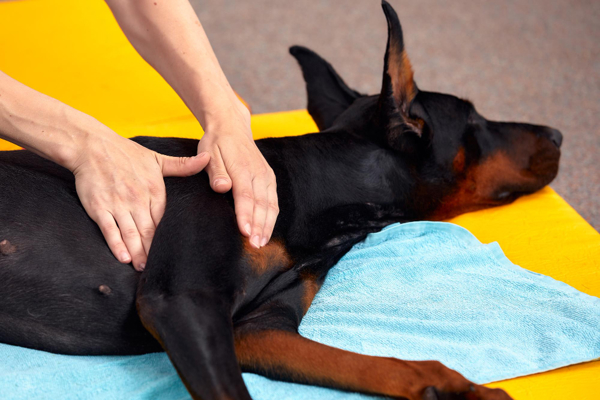
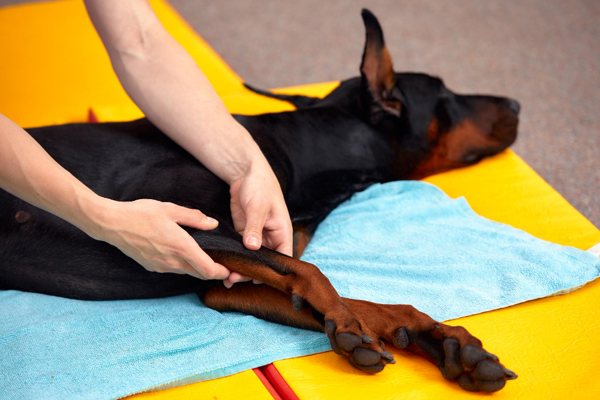
Many senior dogs enjoy slow leg stretches or a soothing thigh massage. These help circulation, reduce stiffness, and can even become a bonding ritual.
What to Avoid (Even if They “Look Fine”)
Long or intense walks
Older dogs won’t always signal when they’ve had enough. Their loyalty keeps them going — and that can be dangerous. You have to know when to stop for them.
Running beside bikes or wild off-leash play
What used to be fun could now trigger heart issues or joint collapse. One enthusiastic sprint can lead to days of recovery.
Jumping (onto beds, into cars)
One wrong landing is all it takes for a knee injury or slipped disc. Lifting may feel “extra,” but it’s better than an emergency vet visit.
Playdates with young, high-energy dogs
Even friendly dogs can bump too hard. Senior dogs have slower reflexes and are more prone to falls or overstimulation. Supervision is key — or better yet, quiet companionship.
What If Walking Becomes Too Hard?
If your dog still wants to explore but struggles to move, a dog wheelchair can be life-changing. It’s not a last resort. It’s a solution that restores freedom. A properly fitted wheelchair reduces strain on painful legs, helps maintain muscle tone, and lets your dog feel like a dog again. Happy. Independent. Proud.
Above All — Stay Close
Caring for an old dog isn’t glamorous. It’s routine. It’s remembering the morning meds, the slow walks, the warm blankets. It’s trading fetch for quiet moments, wild zoomies for gentle nuzzles. But it’s still love. Deep, steady, and fierce.
And if you ever see an old dog walking slowly through a park — shaky legs, sparkling eyes — you’re witnessing something rare. That dog is still living fully. And beside them is someone doing everything right.


 Muhammad Saad

