
Function Meets Fashion: How to Choose the Right Training Gear for Your Dog
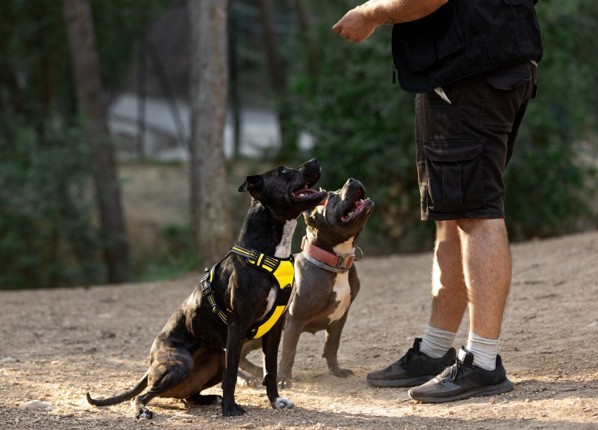
Training a dog is a journey—one that becomes significantly smoother with the right tools. Proper equipment not only supports effective communication and behavior shaping but also helps ensure the dog’s comfort and confidence throughout the process. And who says functional can’t also be stylish? This guide explores why training-specific gear matters, what features to look for, and how to help dogs feel great in their equipment from day one.
Training a dog is a journey—one that becomes significantly smoother with the right tools. Proper equipment not only supports effective communication and behavior shaping but also helps ensure the dog’s comfort and confidence throughout the process. And who says functional can’t also be stylish? This guide explores why training-specific gear matters, what features to look for, and how to help dogs feel great in their equipment from day one.
Why Training-Specific Accessories Matter
Not all pet accessories are created equal. Research published in the Journal of Veterinary Behavior reveals that poorly fitted or uncomfortable gear can elevate a dog’s cortisol levels, making learning more difficult. According to Dr. Sophia Yin, a respected veterinary behaviorist, dogs experiencing physical stress due to ill-fitting accessories often struggle to focus and respond to cues.
Effective training gear should support:
- Gentle, consistent control during distractions
- Comfort over extended periods
Reduced pulling and improved leash manners - Durability for daily use
Well-designed accessories enhance both safety and communication, laying the foundation for long-term training success.
Key Features to Look for in a Training Harness
Front-Clip Design for Better Control
Harnesses with a front-clip attachment are ideal for redirecting pulling behavior. When a dog pulls, the leash turns their body gently back toward the handler, encouraging engagement instead of resistance. Front-clips work with a dog’s natural motion rather than against it—making them ideal for learning environments.
For the best results, the clip should be centered at the chest, offering optimal leverage without compromising comfort.
Secure Fit Without Restriction
A training harness should stay in place during movement and avoid causing friction or discomfort. Look for:
- Multiple adjustment points for a tailored fit
- Soft padding at contact zones
Reinforced stitching and high-quality buckles
The Wander! Bow Harness Kit by Furry Muse, for example, includes adjustable straps to accommodate a variety of body types, ensuring a secure fit even during high-energy sessions.
Smart Leash Features That Support Training
A good leash complements the work done with the harness. Key features to look for include:
- Multiple handles for quick redirection in busy environments
- Adjustable lengths for a mix of close-up and distance work
- Comfortable grips to reduce fatigue over long sessions
The ideal leash adapts to different scenarios, helping dogs progress through stages of training without the need to constantly swap equipment.
Helping Dogs Adjust to New Gear
Training success often depends on how the gear is introduced. According to Applied Animal Behaviour Science, dogs that develop negative associations with their equipment are more likely to resist training.
Experts recommend:
- Allowing dogs to sniff and explore new gear freely
- Creating positive associations with treats and praise
- Starting with short wear periods and low-distraction environments
- Using the harness or leash even during non-training fun, like playtime or easy strolls
These steps help transform gear from something intimidating into something familiar and safe.
Stylish Gear That Works
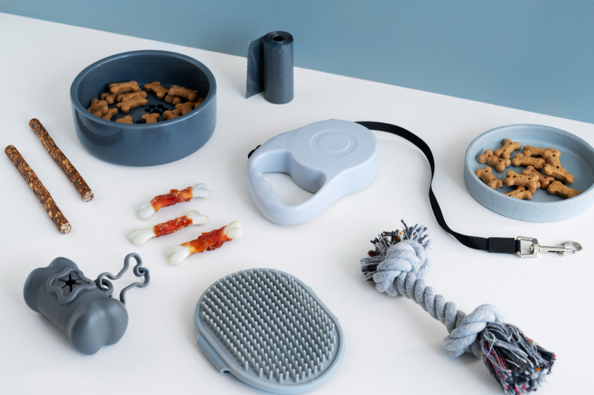
Function does not need to come at the expense of aesthetics. Today’s pet parents often seek accessories that suit both their lifestyle and their dog’s training needs. All-in-one kits are a great option—they eliminate guesswork and ensure consistency across items.
Furry Muse, for example, combines:
- A front-clip, adjustable harness
- A multi-handle leash
- Durable, waterproof materials
- A clean, modern look suitable for both urban walks and weekend hikes
It’s this balance of style and performance that makes training feel less like a chore and more like a shared adventure.
Final Tips for Leash Training Success
Mastering Pressure and Release
Clear communication is key to leash work. Training harnesses and leashes allow handlers to guide their dogs gently:
- Apply light pressure to prompt attention
- Release the pressure the moment the dog responds correctly
- Offer praise or treats to reinforce the behavior
This approach teaches dogs to respond without confusion or stress.
Gradually Introducing Distractions
After mastering basic skills at home, it’s important to expand practice into new environments. Gradual exposure builds confidence:
- Start with mild distractions in quiet places
- Progress to busier environments over time
- Use the same gear consistently to build familiarity
High-quality equipment makes this transition easier and more successful.
Want to Learn More About Leash Training?
For those interested in deepening their understanding of leash behavior, we recommend reading: 5 Tips to Help You Deal with Leash Pulling. This post offers practical advice on how to manage pulling, choose the right tools, and make walks more enjoyable for everyone involved. Be sure to explore more training content on the CKC blog to support every stage of your dog’s learning journey.
Follow Along for More Training Gear Tips
For additional recommendations, sizing guides, and pet lifestyle inspiration, follow brands like @myfurrymuse on Instagram. Whether you're working on loose leash walking or tackling new cues, the right gear can make every step more enjoyable—for both human and hound.


 Harley Grandone

