
Why Oral Care Matters for Dogs
Simple habits like brushing, a balanced diet, and vet checkups, when followed with consistency, can prevent dental issues and add quality years to your dog’s life. In this article, we explore why oral health matters, what the warning signs are, and how to maintain sound dental health to keep those pearly whites shining.
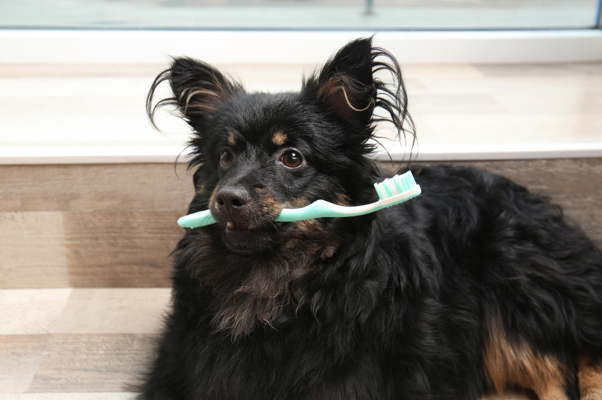
Imagine this: Your little ball of fur greets you at the door when you return from a long day with a bright smile and sloppy kisses but wait, you notice their breath could knock out a room. Or worse, they are lethargic, finding it difficult to chew food or pawing at their mouth. For loving dog parents, seeing these signs isn’t just heartbreaking but also a red flag for poor oral health, a silent epidemic affecting over 80% of dogs by the age of three. The good news - simple habits like brushing, a balanced diet and vet checkups, when followed with consistency, can prevent dental issues and add quality years to your dog’s life.
Continue reading to explore why oral health matters, what the warning signs are and how to maintain sound dental health to keep those pearly whites shining.
Common Dental Health Issues in Dogs
Mentioned below are the major issues caused by poor dental health in dogs:
-
Periodontal disease
-
Gum sensitivity
-
Gum recession
-
Tooth abscesses
-
Gingivitis
-
Tooth decay
-
Heart or kidney disease
-
Bacterial infections
Symptoms of dental problems
Have a quick look at some common signs that dogs exhibit while suffering from dental problems:
-
Red or swollen gums
-
Eating difficulty
-
Excessive drooling
-
Loose, cracked or discolored teeth
-
Lumps or bumps in the mouth
-
Loss of appetite
-
Blood in the saliva or on the gums
-
Lethargy
-
Unexpected aggression
-
Yellow or brown tartar buildup
-
Bad breath
Tips to Maintain Sound Dental Health in Dogs
Here are a few easy tips through which you can keep your dog’s dental health in check and promote their overall well-being:
-
Monitor the symptoms: Your dog’s body starts signaling the dental problems through subtle signs way before the actual issue shows up in the vet clinic. Monitoring symptoms helps detect potential dental issues at an initial stage and provide timely treatment.
-
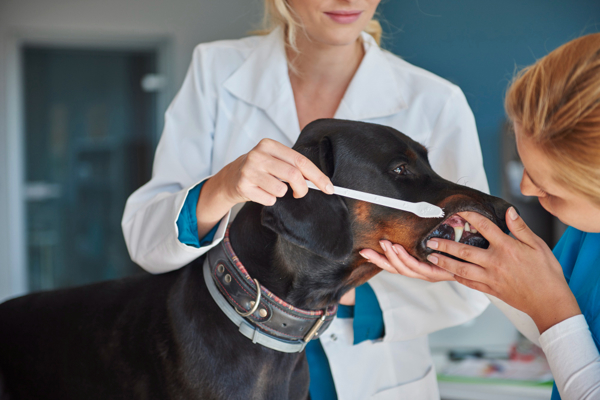
Regular brushing: Brushing your dog’s teeth at least twice a week helps prevent tartar buildup, freshen breath and promote healthy teeth. Make sure to use a dog-friendly toothbrush and toothpaste for best results. You can also consider using oral rinses, dental gels or wipes if your dog is not accustomed to brushing.
-
Provide dental chews & toys: Chewing dental toys and textured treats helps eliminate plaque and tartar naturally and maintain strong teeth. Use vet-approved dental chews and treats that are both safe and healthy for your dog.
-
Feed a balanced diet: Feeding a well-balanced and nutritious diet with a crunchy texture helps clean your dog’s teeth, prevent bacteria buildup and maintain sound oral health. Ensure you use breed-specific, vet-recommended foods to support overall well-being.
-
Offer fresh drinking water: Providing clean, fresh drinking water at all times helps rinse your dog’s mouth properly and prevents tartar and bacteria buildup. Moreover, it keeps your furball hydrated, promoting dental as well as overall health.
Steps to Better Dental Care at Home
Improve your dog’s dental health at home with the below-mentioned simple yet effective habits:
Start Early Care
Starting early goes a long way in maintaining healthy habits and preventing dental issues in the long run. Start by making your dog lick toothpaste or moving your fingers around their gums so that they get accustomed to the brushing process as they grow.
Choose Appropriate Products
Picking the right dog dental care products is extremely crucial when it comes to improving oral health. Since every product is formulated with different ingredients and is supposed to be used in a particular way, make sure to choose products that cater to your dog’s individual requirements and preferences.
Schedule Regular Vet Visits
Taking your beloved companion to regular vet visits helps in diagnosing dental problems early through a series of examinations, dental radiographs, etc., and providing the required treatment. Annual or bi-annual dental checkups are typically recommended for professional teeth cleaning and detecting any diseases.
Keep your dog’s smile intact and tail wagging!
Prioritizing your dog’s oral health is not limited to fresh breath or adorable smiles; instead, it is a cornerstone of their overall vitality and longevity. Neglecting oral care can lead to painful infections, costly vet bills and even serious issues like heart or kidney disease. So, take the first step today and commit to regular brushing, routine dental check-ups and professional cleanings so that your furry companions thrive with a pain-free smile, boundless energy and wagging tails.


 Muhammad Saad

