
How to Use a Flirt Pole to Exercise Your Dog and Improve Behavior Through Satisfied Instincts
Exercise alone is not always enough. A long walk may reduce physical energy, but it rarely fulfills the instinctual need to track, chase, and capture. This is where structured prey play becomes valuable. One of the most efficient tools for safely satisfying chase instincts is the flirt pole.
Most unwanted dog behavior is not a training problem. It is an outlet problem. When dogs dig through trash, bark at shadows, chew drywall, or lunge at moving objects on walks, they are not trying to be difficult. They are trying to express instincts that have nowhere appropriate to go.
Domestic dogs are still biologically wired for pursuit. Even the calmest family pet has neural pathways designed for orienting to movement, chasing prey, and completing capture sequences. In the absence of safe, structured outlets for these behaviors, dogs create their own. Unfortunately, those outlets often appear as anxiety, reactivity, or destruction inside the home.
Exercise alone is not always enough. A long walk may reduce physical energy, but it rarely fulfills the instinctual need to track, chase, and capture. This is where structured prey play becomes valuable. One of the most efficient tools for safely satisfying chase instincts is the flirt pole.
What Is a Flirt Pole
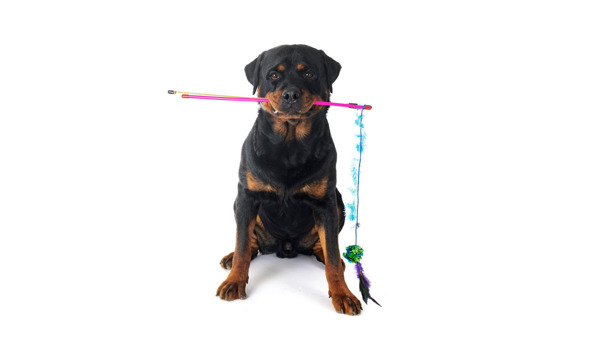
A flirt pole is a long pole with a cord and lure attached to the end. It allows handlers to simulate natural prey movement while maintaining full control of the game. Instead of chasing wildlife or neighborhood distractions, the dog chases an object that the handler directs. When used intentionally, the flirt pole becomes more than an exercise device. It becomes a way to engage the dog’s natural instincts in a controlled environment.
Why Structured Chase Matters
Dogs experience a biological reward when they complete the full pursuit sequence. This includes orienting toward movement, stalking or focusing, chasing, capturing, and then releasing. Interrupting this sequence repeatedly in daily life can create frustration. For example, dogs that are constantly prevented from chasing bicycles or squirrels may carry heightened arousal throughout the day. That arousal often surfaces as barking, leash pulling, or impulsive reactions to environmental triggers. Structured flirt pole sessions allow dogs to express the entire chase sequence safely. Over time, dogs that regularly engage in this type of play often display improved focus, reduced impulsivity, and more relaxed behavior in the home.
Getting Started With Flirt Pole Exercise
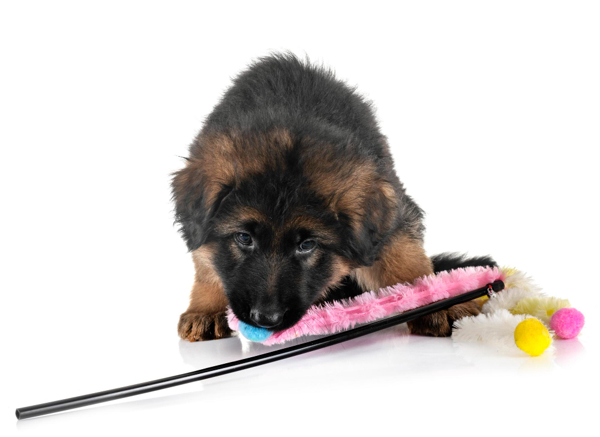
Begin in a safe, open area with minimal obstacles. Keep the lure on or near the ground and move it in smooth arcs rather than lifting it into the air. Allow the dog to observe the movement before initiating pursuit. Short sessions are typically more effective than extended play. Three to eight minutes of structured chase can provide both physical exertion and mental engagement. After a successful catch, pause briefly before continuing the game. Ending the session with a calm release cue helps reinforce emotional regulation. Dogs learn that high excitement can begin and end under the handler's guidance.
Integrating Training Into Play
Flirt pole sessions can also support obedience training when cues are introduced during the game. For example, asking the dog to wait before releasing them to chase builds impulse control. Requesting a release after the catch reinforces cooperative behavior. Over time, dogs begin to associate calm responses with access to rewarding activities. This structured approach transforms exercise into a training opportunity. Rather than suppressing instinctual drives, handlers guide them into appropriate expression.
Behavior Benefits of Instinct Satisfaction
Dogs that receive regular outlets for chase behavior often show measurable improvements in daily life. Destructive chewing may decrease as physical and mental needs are met. Reactivity toward moving objects can diminish as the urge to pursue is expressed elsewhere. Even restlessness in the home may improve when instinctual drives are satisfied through play. Providing an appropriate outlet does not eliminate the need for training, but it can make training more effective by reducing underlying frustration.
Final Thoughts
Behavioral challenges frequently arise when natural instincts are left unfulfilled. By incorporating structured prey play into a dog’s routine, handlers can meet those needs in a safe and controlled way. The flirt pole offers a simple method for engaging chase instincts while improving focus and impulse control. When used thoughtfully, it can support both exercise and training goals. Meeting instinctual needs is not about encouraging wild behavior. It is about providing an outlet that allows dogs to relax, focus, and function more successfully in their human environment.


 Mohsin Khan

