
How to Add Pet-Safe Plants to the Interior of Your Apartment
It can be difficult to design a living area that strikes a balance between contemporary style and your pets' welfare. You worry about which plants are safe for inquisitive dogs and cats, but you also want your house to feel lush and vibrant with greenery. The good news is that safety and style are not mutually exclusive. You can create a luxurious, pet-safe space that will please you and your pets by choosing the appropriate species.
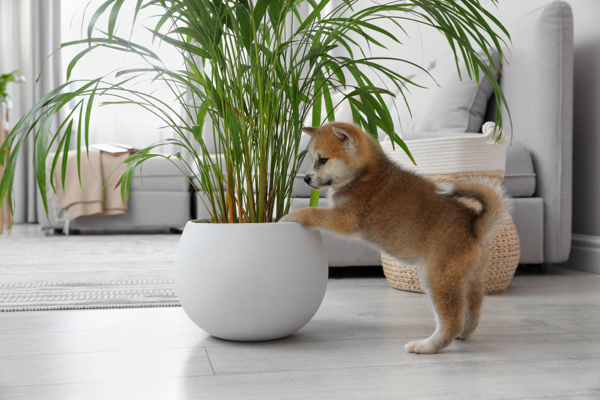
It can be difficult to design a living area that strikes a balance between contemporary style and your pets' welfare. You worry about which plants are safe for inquisitive dogs and cats, but you also want your house to feel lush and vibrant with greenery. The good news is that safety and style are not mutually exclusive. You can create a luxurious, pet-safe space that will please you and your pets by choosing the appropriate species and knowing how to send flowers online responsibly. The need for pet-friendly homes has actually increased dramatically, and interior designers are now giving preference to designs that can accommodate both animal and plant lovers. The guidelines are the same whether you live in a large suburban home or a small city apartment: pick non-toxic species, make clever arrangements, and pay attention to your pet's behavior to establish a peaceful environment.
The Reasons Your Pets Are Drawn to Plants
It's helpful to know why your cat or dog is eyeing that new leaf before redesigning your space. Greenery is frequently chewed by animals out of boredom, curiosity, or instinct. Plants and grass can help cats digest food and get rid of hairballs. This explains why you may see your feline companion gnawing on long, grassy leaves.
Dogs may nibble on leaves just because they enjoy the texture or because they are using their mouths to investigate their surroundings. Particularly, puppies have a reputation for tasting everything they come across, including your priceless houseplants. The first step in creating a home that protects them is acknowledging this natural behavior. This is achieved by carefully selecting and positioning plants, not by getting rid of them.
It's also important to note that some pets chew plants because they're bored or lack proper nutrition. You can divert their focus from your ornamental plants by offering interactive toys, frequent exercise, and even a small pot of wheatgrass. You can make better design decisions that benefit the entire family by knowing the "why" behind the behavior.
The Top 10 Houseplants That Are Safe for Pets
Thankfully, a lot of lovely houseplants don't harm dogs or cats. The following are some of the top choices for your apartment, each offering distinctive aesthetic value and ease of maintenance:
-
Spider Plant (Chlorophytum comosum): The traditional, resilient spider plant is safe for pets and very simple to maintain. If your pet is very demanding, you can keep it out of reach with its arching leaves, which look fantastic in hanging baskets. Spider plants are beneficial for indoor environments because they are also recognized for their ability to purify the air.
-
Areca Palm (Dypsis lutescens): Desire a sense of the tropics? The Areca Palm gives corners a rich, fluffy texture and is totally safe. Because it can grow fairly tall and thrives in bright, indirect light, it's a great statement piece for sunrooms or living rooms.
-
Boston Fern (Nephrolepis exaltata): These fluffy, non-toxic ferns thrive in damp environments, making them an ideal choice for bathrooms and kitchens. They give any shelf a delicate, sophisticated touch. They will remain lively and content with frequent misting.
-
Calathea: A pet-safe favorite, the Calathea is renowned for its gorgeous painted-leaf patterns. Because it prefers low to medium light, it's perfect for offices or bedrooms. Varieties with distinctive textures that enhance any interior design scheme include the Calathea Orbifolia and the Rattlesnake Plant.
-
Ponytail Palm (Beaucarnea recurvata): Despite its name, this plant is actually a succulent rather than a true palm. Its unusual, bulbous trunk and falling leaves make it a conversation starter and safe for pets. It needs very little watering, making it ideal for people who travel a lot.
-
African Violet (Saintpaulia): These gorgeous flowers are non-toxic if you're in the mood for color. They remain small and portable, making them ideal for adding color to a side table or kitchen counter. They produce bursts of purple, pink, or white flowers all year long due to their cyclical blooming.
-
Phalaenopsis Orchid: Pets can safely own this graceful, long-blooming orchid. To enjoy their elegant flowers for months, place them in a well-lit area. They lend a sense of refinement to any space and stand for elegance and luxury.
-
Haworthia: Totally safe for pets, these tiny, striped succulents resemble miniature aloe plants. They are ideal for beginners because they require very little maintenance and look great on desks or sunny windowsills.
-
Friendship Plant (Pilea involucrata): This low-growing, textured plant is a fun option to share with friends because it is non-toxic and simple to grow. It grows well in warm, humid climates and has visually appealing, crinkled leaves.
-
Staghorn Fern (Platycerium bifurcatum): This gorgeous, pet-safe alternative transforms your wall into living art and makes a unique mounted display. These ferns become living sculptures when mounted on wood boards, simulating their native epiphytic habitat.
Creating a Green Space That Is Pet-Friendly
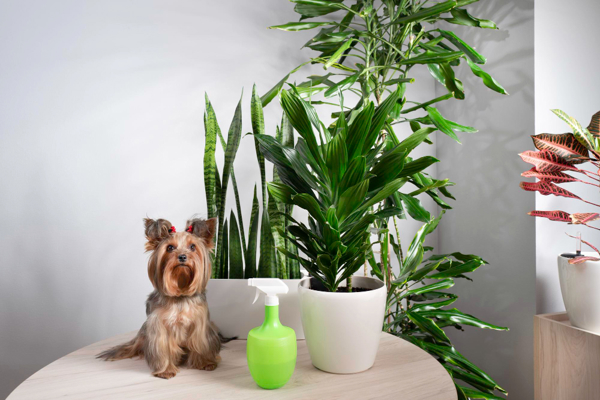
Integrating your chosen plants into your interior design is the next step. By placing them strategically, you can keep your pets safe and prevent the plants from being dug up. To enhance greenery, think about hanging planters or installing shelves on the wall. By keeping fragile leaves out of reach of a playful paw, this produces a vertical garden effect that draws the eye upward and enlarges the space. Floating shelves made of metal brackets or sustainable wood can go well with industrial, rustic, or modern decor.
Put floor plants in sturdy, stable pots that won't topple over, such as palms or large ferns. Planters made of stone or ceramic are ideal for this use. To deter digging, you can also encircle the base with ornamental stones or pinecones.
Set aside a special "pet pot" filled with catnip or wheatgrass if your pet is a chronic nibbler. This diverts their attention from your ornamental foliage and gives them their own plant to enjoy. Even a tiny indoor garden area with a comfortable bed and safe plants can be made just for your pet.
Another important consideration in pet-friendly design is lighting. Place pet-safe plants close to windows that face east or north because many of them need bright, indirect light. Invest in grow lights that can be placed inside bookcases or beneath shelves if your apartment isn't naturally lit. In addition to promoting plant health, these lights give your evenings a cozy, ambient glow.
Common Toxic Plants to Avoid
Knowing what not to bring inside is another aspect of having a safe home. Many of the most common houseplants are extremely harmful to animals. Even in small doses, lilies can cause kidney failure, making them particularly dangerous for cats. Despite being marketed as low-maintenance plants, sago palms are poisonous if consumed.
Other frequent offenders include the calcium oxalate crystals found in Dieffenbachia, Monstera (Swiss cheese plant), Pothos, and Philodendrons, which irritate and swell the mouth. Before buying a plant, always confirm its scientific name because common names can be deceptive.
Also, use pesticides and fertilizers with caution. If your pet chews the leaves or soil, chemical treatments can be toxic, even if the plant itself is safe. Choose pet-safe, organic fertilizers, and pay close attention to labels at all times. Before placing a bouquet in a location that pets can reach, check it for poisonous flowers like lilies or daffodils if you received it from a friend or a delivery service.
The Final Touch: Presenting with Self-Assuredness
Creating a haven where all family members feel secure is the goal of designing a house that accepts both pets and plants. Choosing pet-safe greenery demonstrates your concern, whether you're buying a new fern for the bathroom or giving a friend a housewarming present.
Your house can be a lovely, blossoming sanctuary for everyone if you have the right information and do a little preparation. And since safety and style go hand in hand, you can confidently add to your collection or give a considerate gift to a pet owner when the time comes.


 Muhammad Saad

