
Preparing Your Dog for Travel Abroad: Health Documentation and Language Barriers
Traveling internationally with a dog can be exciting—whether you’re relocating, attending a show, breeding abroad, adopting, or simply planning a long stay overseas. Many travel plans go sideways not because owners skipped the vet, but because paperwork wasn’t complete, in the right format, or clearly understood by the receiving country. This guide breaks down what dog owners should do to prepare for travel abroad.
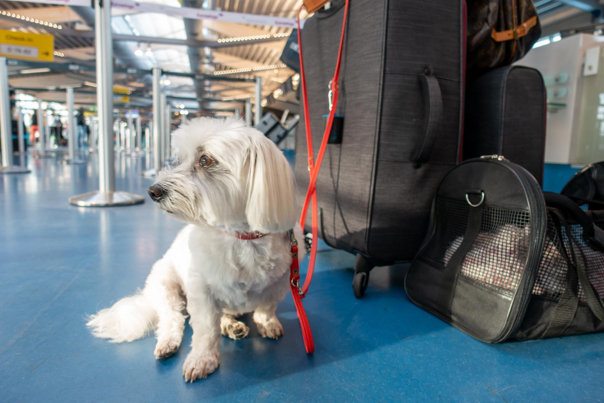
Traveling internationally with a dog can be exciting—whether you’re relocating, attending a show, breeding abroad, adopting, or simply planning a long stay overseas. But international pet travel is not just about logistics. There are many things to consider! Many travel plans go sideways not because owners skipped the vet, but because paperwork wasn’t complete, in the right format, or clearly understood by the receiving country. Border authorities and airlines are generally not flexible when it comes to animal import rules. If documentation is unclear or appears inconsistent, the outcome can be delays, quarantine, denied boarding, or refused entry. This guide breaks down what dog owners should do to prepare for travel abroad.
Why International Dog Travel Requires “Documentation Discipline”
Every country sets its own animal import requirements to reduce risks such as rabies introduction, parasite transmission, and infectious disease spread. These rules can be strict, time-sensitive, and highly specific.
Even if your dog is healthy and vaccinated, you may still run into issues if certificates are signed too early (outside the permitted window), vaccine timing doesn’t meet local rules, microchip info is missing or inconsistent, dates are written in an unexpected format, and the destination expects documents in a specific language.
In practice, international travel with pets is often less about your dog’s health status and more about whether your documentation tells a clear, verifiable story.
The Core Documents Most Countries Require
Requirements vary, but most destinations ask for a combination of the following:
Veterinary Health Certificate
Usually issued by a licensed veterinarian within a defined window (often 7–10 days before travel, but this varies). It typically confirms that your dog is clinically healthy, vaccinations are up to date, parasite prevention has been administered (if required), and the dog meets import eligibility.
Rabies Vaccination Proof
Rabies rules are among the strictest. Countries may require a valid vaccine administered after microchipping, proof of manufacturer, lot number, and date, and a waiting period after vaccination (commonly 21–30 days, but rules vary).
Microchip Documentation
Many jurisdictions require an ISO-compatible microchip. The microchip number must match across all documents.
Vaccination Records
Core vaccines and any destination-specific requirements (e.g., leptospirosis in some contexts).
Parasite Treatment Records
Certain countries require specific treatments (for example, tapeworm treatment for entry into some regions).
Laboratory Tests
Some destinations require rabies antibody titers or other testing, which can add weeks of lead time.
Import Permits / Government Forms
In certain cases, you’ll need an import permit, a government health certificate template, or approvals issued by the receiving country.
Where Owners Get Stuck: Timing, Formatting, and “Small” Errors
Many problems come down to details that seem minor until they derail your trip:
-
Date formats (MM/DD/YYYY vs DD/MM/YYYY) can cause confusion.
-
A missing microchip number on one document can create an inconsistency.
-
Vaccine name variations (brand vs generic name) can look suspicious if not clarified.
-
Handwritten notes that are difficult to read can lead to rejection.
-
Mismatch between airline requirements and border requirements (they are not always identical).
-
Wrong certificate template (some destinations require a specific government form).
The most common failure is not “no paperwork”—it’s “paperwork that doesn’t fully align.”
The Language Barrier Problem: Why It’s Not Just About Translation
Language issues affect international dog travel in a few predictable ways:
A. Your documents are reviewed by non-English authorities
Even if an officer speaks some English, they may still require documentation in an official local language or in a standardized format.
B. Veterinary terminology and abbreviations vary
A vet’s shorthand can make perfect sense in the U.S., but be unclear elsewhere. Abbreviations may not translate cleanly, and “best guesses” are risky in official contexts.
C. Medication and vaccine names may not match internationally
Brand names differ by region. Without clear equivalents, authorities may question whether the correct vaccine or treatment was administered.
D. “Close enough” language can trigger refusal
Border checks are often checklist-based. If something is ambiguous, officials may default to caution.

Why Machine Translation and Informal Help Can Backfire
Owners sometimes use automatic translation tools or ask bilingual friends to “translate quickly.” That might be fine for travel tips—but for official medical documentation, it can cause real issues. Automatic tools can mistranslate medical and veterinary terms. They may alter meaning subtly (especially with dosage, dates, or disease names). Informal translators may not preserve formatting, legal phrasing, or required wording. The translated document may not look “official” enough for inspection. In short: “understandable” is not the same as “acceptable.”
When Professional Translation Becomes the Smart Option
Professional translation is most valuable when the receiving country expects documents in its official language, your travel involves multiple checkpoints (airline + border + local authorities), your dog’s documentation includes a complex medical history, or you’re traveling for shows, breeding, or professional purposes where delays are costly.
Veterinary records are medical documents. When they’re used for cross-border compliance, they should be translated with the same precision and care as other healthcare records. That’s why many owners and organizations choose specialized partners such as Mediwords US to support accurate translation of health certificates and veterinary documentation—reducing the risk of misunderstandings at critical points in the travel process.
A Practical Pre-Travel Checklist
Here’s a useful checklist owners can follow:
4–8 weeks before travel
-
Check destination rules on official sources.
-
Confirm microchip requirements.
-
Confirm rabies timing rules and waiting periods.
-
Book vet appointment(s) early.
2–4 weeks before travel
-
Ensure rabies and other vaccines meet timing rules.
-
Schedule any required lab tests.
-
Identify which documents must be translated.
7–10 days before travel
-
Obtain the health certificate within the allowed window.
-
Verify all identifiers match (especially microchip number).
-
Confirm parasite treatments if required.
-
Print multiple copies and keep digital backups.
48 hours before travel
-
Re-check airline and destination requirements.
-
Ensure you have every signed/stamped document.
-
Pack a “document folder” that stays with you at all times.
Final Advice: Think Like an Inspector
A helpful mindset: assume someone at a border checkpoint will review your paperwork quickly under pressure. Your goal is to make their job easy. Your documents should be consistent, readable, complete, properly dated, clearly tied to your dog’s microchip identification, and understandable in the language and format the destination expects. When paperwork is clear, travel is smoother—and your dog is far less likely to experience stressful delays or quarantine.
Conclusion
International travel with a dog is absolutely doable—but it demands planning and a detail-oriented approach to documentation. The moment your dog crosses a border, your paperwork becomes as important as your pet carrier.
By preparing early, aligning medical records carefully, and addressing language barriers proactively, you dramatically reduce the chances of delays, denied entry, or last-minute surprises. For owners traveling internationally, clear, accurate documentation isn’t just paperwork—it’s protection for your dog’s wellbeing and your peace of mind.


 Fay Smith

