
The Role of Positive Reinforcement in Dog Training
Positive reinforcement is a dog training approach that focuses on rewarding desired behaviors rather than punishing unwanted ones. It is based on the idea that dogs are more likely to repeat actions that result in positive outcomes. This method is widely recommended by trainers and behaviorists because it promotes learning in a humane, effective, and trust-building way.
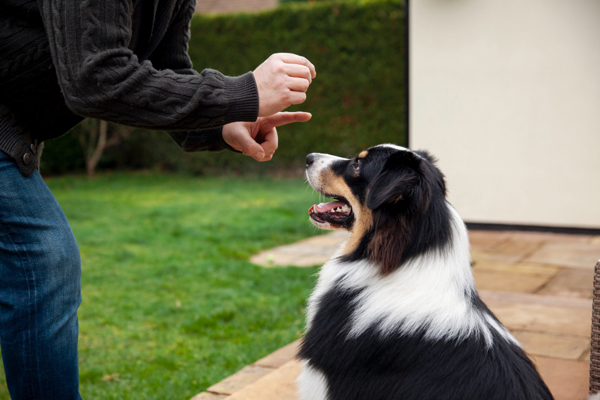
Positive reinforcement is a dog training approach that focuses on rewarding desired behaviors rather than punishing unwanted ones. It is based on the idea that dogs are more likely to repeat actions that result in positive outcomes. This method is widely recommended by trainers and behaviorists because it promotes learning in a humane, effective, and trust-building way.
Why Dogs Learn Better Through Rewards
Timing
Dogs learn best when rewards are delivered immediately after the desired behavior occurs. Quick feedback helps the dog clearly associate the action with the reward, reducing confusion and speeding up the learning process.
Consistency
Consistent responses from the handler are essential in positive reinforcement training. When the same behavior is always rewarded in the same way, dogs can more easily understand expectations and respond reliably over time.
Motivation
Rewards increase a dog’s motivation to participate in training. When learning feels enjoyable and rewarding, dogs are more engaged, focused, and willing to repeat behaviors that earn positive feedback.
Common Tools Used in Positive Reinforcement Training
Verbal Praise
Calm, positive verbal cues such as “good job” or “yes” help reinforce correct behavior. Tone matters more than words, as dogs respond strongly to vocal emotion and encouragement.
Clickers
Clicker training uses a consistent sound to mark the exact moment a dog performs the desired behavior. The click acts as a clear signal that a reward is coming, improving precision during training.
Play
For many dogs, playtime is a powerful reward. Short games of tug or fetch can reinforce good behavior while also strengthening the bond between dog and owner.
Treat-Based Rewards
Positive reinforcement training relies on rewarding desired behaviors in a way that is clear and motivating for the dog. While praise and play are effective tools, many trainers rely on small, motivating dog snacks to reinforce good behavior effectively—especially during early training stages when immediate feedback matters most.
Timing and Consistency Matter More Than the Reward
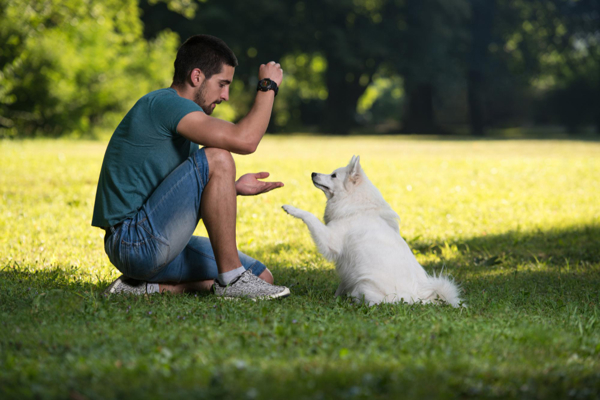
The effectiveness of a reward depends more on when and how it is given than on what the reward is. Rewards should be delivered immediately after the desired behavior so the dog can make a clear connection. Delayed rewards can lead to confusion and slow progress. Additionally, reward size matters less than frequency and timing. Small rewards given consistently are often more effective than larger rewards given inconsistently, helping maintain focus without overstimulation.
Avoiding Common Mistakes in Reward-Based Training
Over-Rewarding
Providing rewards too frequently or without clear criteria can reduce their effectiveness. Dogs should earn rewards for specific behaviors rather than receiving them randomly.
Inconsistent Signals
Mixed signals—such as rewarding a behavior one day and ignoring it the next—can confuse dogs. Consistency in cues, timing, and expectations is essential for long-term success.
Building Long-Term Habits Through Positive Reinforcement
As behaviors become more reliable, rewards should be gradually reduced rather than removed abruptly. This helps dogs maintain learned behaviors without becoming dependent on constant rewards. Over time, trainers can transition from tangible rewards to verbal praise and play. This shift reinforces the behavior while keeping training engaging and sustainable in everyday situations.
Conclusion
Positive reinforcement is a humane and effective approach to dog training that prioritizes communication, trust, and motivation. By focusing on rewards rather than punishment, owners can encourage desirable behaviors while strengthening their relationship with their dogs. When applied consistently and thoughtfully, positive reinforcement creates confident, well-adjusted dogs and a stronger dog–owner bond.


 Fay Smith

