
Best Recovery Approaches for Large Dog Breeds Prone to Joint Issues
Joint problems are common as large dogs grow older. In fact, research indicates that nearly 1 in 5 adult dogs experience joint-related discomfort. With the right recovery approaches, dogs can remain active and comfortable for years.
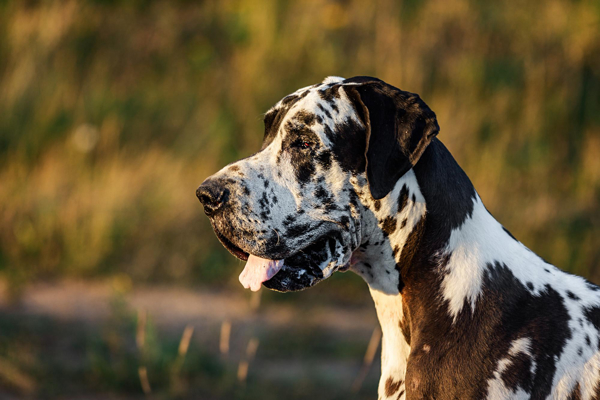
There is something about large dog breeds that instantly draws people in. Their strength, loyalty, and calm confidence make them hard to miss. Without any second guess, they have a strong presence, yet they’re equally known for being gentle, loving companions.
But with that size comes a downside. Joint problems are common as large dogs grow older. In fact, research indicates that nearly 1 in 5 adult dogs experience joint-related discomfort. Dogs such as German Shepherds, Labradors, and Great Danes are especially prone to this because their bodies carry more weight and develop rapidly in the early years.
No doubt, such issues may develop gradually. However, recovery and management require timely and thoughtful care to restore mobility and quality of life. With the right recovery approaches, dogs can remain active and comfortable for years.
On that note, knowing the right approaches that truly help is the first step toward long-term support.
1. Supporting Joint Recovery With Targeted Therapies
Dogs with joint issues recover fast when you give them care focusing on reducing strain while supporting natural healing. Amid all, one increasingly discussed approach involves targeted therapies that are designed to support joint comfort. These at-home therapies aim to improve mobility while helping dogs stay active during recovery.
For example, tools like MedcoVet Luma are commonly explored during joint recovery. They support comfort and mobility with red light therapy. This method helps the body recover naturally and is most helpful when stiffness or restricted movement starts to show. However, the goal is not instant relief, but steady improvement in how a dog moves and rests over time.
In simpler words, targeted recovery support may help by:
-
Reducing joint stiffness during movement.
-
Supporting mobility without overexertion.
-
Encouraging natural healing processes.
Ultimately, when used thoughtfully, such approaches can help large dogs recover easily.
2. Controlled Movement and Physical Rehabilitation
No doubt, during joint issues, rest is important. Yet, too much inactivity can actually slow recovery in large dogs. Here, gentle movement really matters. It helps keep muscles strong and joints flexible.
Because of this, vets often advise slow and steady movement based on what the dog can comfortably handle. These may include slow leash walks, assisted standing, or simple balance exercises.
Some of the benefits of controlled movement include:
-
Improved joint flexibility.
-
Better muscle support around joints.
-
Reduced stiffness over time.
Also, be aware of the fact that rehabilitation works best when adjusted regularly based on how the dog responds.
3. Right Nutrition for Joint Health and Weight Management
It goes without saying that extra weight puts more pressure on already sensitive joints. Turns out, it makes recovery more difficult for large dog breeds. Even a little weight gain can start bothering a dog’s joints, so food actually matters more than people think during recovery.
A good, balanced diet helps take some pressure off the joints instead of adding to the problem. For example, nutrients, such as:
-
Omega-3 fatty acids,
-
Glucosamine, and
-
Antioxidants.
They may help reduce inflammation and support cartilage health. That said, proper nutrition supports recovery by:
-
Reducing joint stress caused by excess weight.
-
Supporting cartilage and connective tissue.
-
Promoting overall energy and vitality.
Last but not least, weight management isn’t about restricting food. Give them the food they enjoy in such a condition. The whole matter is about balance and consistency. That creates a huge difference.
4. Creating a Joint-Friendly Home Environment
Some people think that therapy and diet are sufficient to help their dogs. Little do they know, it extends into the home environment. Precisely speaking, sometimes, it’s the small changes at home that make the biggest difference. Simple steps from your side can make daily movement easier and safer for dogs.
Slippery floors, high furniture, or steep stairs can quietly add to their discomfort, just in case. On the other hand, adding rugs or orthopedic bedding can reduce their joint strain.
Noting that, some of the foremost home adjustments include:
-
Non-slip surfaces for walking.
-
Raised food and water bowls.
-
Supportive bedding for rest.
-
Easy access to favorite spaces.
Long story short, a proper environment reduces the risk of further injury during recovery. Additionally, it helps dogs move with confidence.
Wrapping Up!
Joint issues are very common among large dog breeds. However, the good part is that the recovery is possible with the right approach. For example, by using targeted therapies, dogs can regain comfort and mobility over time. And so forth.
What you need to remember is that recovery is not about rushing progress. It involves consistency and thoughtful care. And when joint recovery is handled with patience and structure, large dogs can continue to enjoy an active and comfortable life.


 Muhammad Saad

