
Identification that Helps Quickly Locate a Lost Dog
Losing a pet can cause owners to panic and stress, which can either lead to a delayed reunion or none at all. While you can’t guarantee staying completely calm in that dire situation, there are precautions owners can take to locate their dog when it matters most.
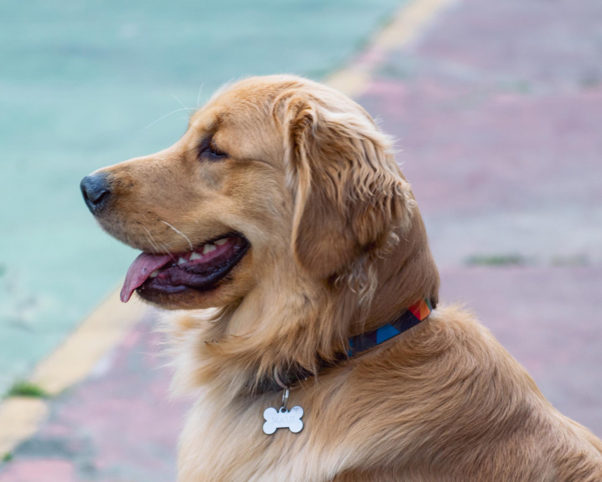
Losing a pet can cause owners to panic and stress, which can either lead to a delayed reunion or none at all. While you can’t guarantee staying completely calm in that dire situation, there are precautions owners can take to locate their dog when it matters most.
Taking Action with Precaution
Upon noticing your dog is missing, it is important to search right away using any means possible. Most pets stay close to where they were originally lost, but each case can be different. An unfamiliar area or surroundings can be overwhelming for both dogs and owners.
Microchipping is the most common and reliable way to identify a pet. Unlike a dog tag or collar, it cannot easily fall off or be removed. If a lost dog is found without identification but is microchipped, an animal shelter or vet can use a reader to scan the chip and retrieve the owner’s contact information.
Common Misconceptions About Microchipping:
-
It hurts pets: The procedure causes little to no discomfort, about the same as a standard vaccination.
-
Some pets are allergic to the microchip: The chips are purposefully made of biocompatible material to prevent any mild or adverse reactions (which are extremely rare).
-
You can’t update your information: Most, if not all, microchip registries have the ability to update contact information upon request.
The benefits of microchipping greatly outweigh the perceived risks. For more information, watch our video: Microchips: A Vet Q&A!
While dogs with microchips are 2.5 times more likely to be returned to their owners than those without, this should not be the only precaution you take.
The First Preventive Measures to Take at Home
These tips help in the case where the dog escapes from home:
Prepare a Lost Pet Kit
This should include photos and flyers with your information to save time and stress. Hopefully, you will never have to use the kit, but it is a great resource to have on hand when it is urgently needed.
Being Neighborly Means Being Known
If local people know you and your dog, they can assist in rescuing and returning your pet to you.
Secure Your Home
Dog-proofing your backyard and home is one of the most important things you can do as a pet owner.
Dogs sometimes have all day to let their curiosity guide them, which may mean finding something like a loose board in a fence. To prevent that kind of situation, get down to your pet’s level and check all boundaries between the safe backyard and the outer, unpredictable areas.
Have Identification Ready
These items can show proof of ownership, adding another layer of security to your dog:
-
Current photos/videos: have examples of your dog before and after grooming, close-ups and full body angles, and any distinct characteristics.
-
Registration documents: certificates and photo IDs will list all of the dog’s identifiers (breed, color, pattern/markings), microchip number, and the owner’s information.
Standard Identification that Reunites
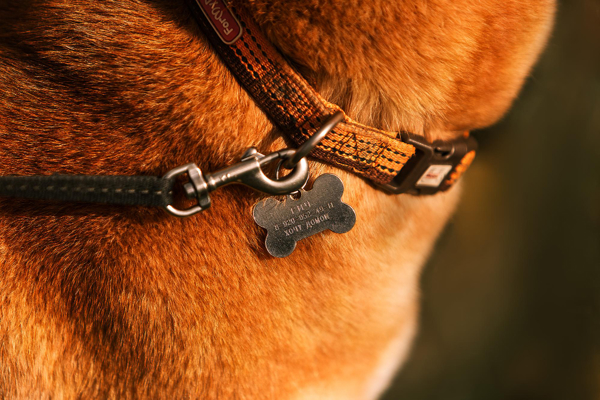
Along with the more secure options, every dog should have a collar and tag. These items offer easily accessible, informative identification. Even though they are basic dog accessories, they are far from simple in the layer of protection they offer, yet extremely simple to implement.
Dog Tags
Customizable dog tags that display the dog’s name and owner’s contact information are the basic ideal form of identification.
While a cute color or design doesn’t hurt, opt for tags that are engraved and made from sturdy materials, such as aluminum or steel.
Collars
You can’t have a dog tag without a collar!
Some dogs may have different preferences for materials and fittings they can tolerate, but the customary collar should have a durable ring for a dog tag.
New technology allows for innovative dog gear, such as collars with digital ID. If someone encounters a lost dog with this accessory, they simply scan the QR code tag, which will provide the owner with GPS mapping, making for a speedy reunion. Don’t mistake this for just another version of a dog tag; neither fully replaces the other, as they both offer a means of handy identification.
Conclusion
While you can’t predict if or when your dog becomes lost, you can do your best to prevent it and plan for a quicker, easier reunion. Whether it is through owner documentation, identification supplies, ready-to-go emergency resources, or all of the above, being prepared is the sign of a great dog owner.


 Muhammad Saad

