
Dental Health in Pets: Why It’s More Important Than You Think
Most pet parents don’t think twice about their furry friend’s teeth—until there’s a problem. Poor dental health can cause painful gum issues and even lead to heart or kidney issues down the line. The good news? A little care goes a long way.
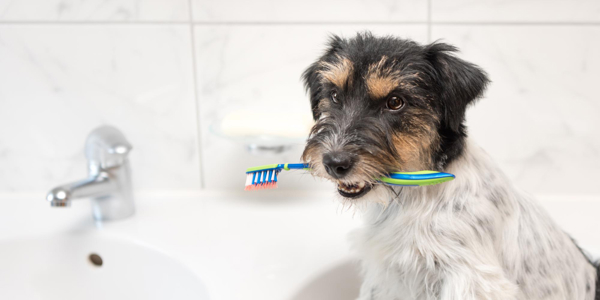
Most pet parents don’t think twice about their furry friend’s teeth—until there’s a problem. But keeping those chompers clean is not just about avoiding bad breath. Poor dental health can cause painful gum issues and even lead to heart or kidney issues down the line.
The good news? A little care goes a long way. In this blog, we’ll talk about why pet dental care is so important, how to spot when something’s wrong, and simple ways to keep your buddy’s mouth healthy.
Why Dental Health Matters for Pets
A lot of people don’t really think about their pet’s teeth… until something smells bad or they stop chewing their food.
The thing is, it’s all connected. Plaque and tartar aren’t just gross—they can make gums sore, loosen teeth, and even cause painful infections. And if that bacteria gets into the bloodstream, it can affect the heart, kidneys, and even the liver.
Poor dental health can literally cut years off your pet’s life. By taking care of their oral health, you are not just keeping their smile cute; you’re helping them stay healthy for a lot longer.
Common Dental Problems in Pets
Knowing what to look for can help you catch dental trouble before it turns into something serious. Some common dental issues you’ll spot in pets are:
- Periodontal disease – This is by far the most common. Plaque and tartar build up, gum infection, and eventually, teeth can loosen or even fall out.
- Gingivitis – You’ll notice red, puffy gums, usually right where the teeth meet the gumline.
- Broken teeth – Often from chewing on something too hard. Besides the break itself, it can be really painful.
- Resorptive lesions – A hidden problem where the tooth starts breaking down under the gums. It’s painful and tricky to spot without a vet.
When these issues are not treated, they can get worse. That’s why prevention — and stepping in early — makes all the difference.
Signs Your Pet May Have Dental Issues
Since our furry friends can’t exactly say, “Hey, my tooth hurts,” the only way to know is by paying attention to small changes in their behavior. Some signs include:
- Breath that stinks, no matter what.
- Gums that look red, puffy, or even infected.
- Chewing slowly, dropping food, or avoiding harder pieces.
- Scratching or rubbing their mouth and face.
- Eating less than usual or losing weight without reason.
Noticing even one of these? Don’t wait it out — book a vet visit. Dental issues can go from mild to serious much faster than most pet parents realise.

Tips to Prevent Pet Dental Problems
Brushing Daily
Here’s the thing—brushing your pet’s teeth is still the gold standard. Yeah, it’s a bit of a hassle at first, but it works.
- Start with the right gear – a soft-bristled brush made for pets (not people) and toothpaste that’s safe for them.
- Ease into it – let them sniff the brush, lick the paste, maybe chew the bristles a bit.
- Work up to brushing – once they’re cool with it, start brushing for real.
- Aim for daily – but honestly, a few times a week is still way better than nothing.
Dental Care Diet
Many pet owners struggle with brushing their pup’s teeth due to resistance. Sometimes, it’s not just about what you do—it’s about what’s in their system. Some kibbles are made with a texture that cleans as your pet chews. Dental chews are another easy win. They’re not just a distraction; they scrape away some of the gunk while your pet gnaws. Ask your vet if one of these dietary changes could help, as it’s a simple swap that can make a difference.
Should You See a Vet?
While home care is awesome, your vet can do things your toothbrush can’t. They’ll clean under the gums, spot fractures you’d never notice, and check what’s going on inside.
Most pets are fine with a yearly check-up, but if yours has dental drama more often, your vet might suggest coming in sooner.
The Link Between Dental Health and Longevity
It’s not just about fresh breath like we mentioned—dental problems can lead to issues you don’t want to think about, like major heart or kidney trouble. Keep your pets’ teeth in shape, and you’re also protecting their energy, appetite, and comfort.
Final Note
Let’s face it, looking after your pet’s teeth isn’t just some “extra” thing you do. It’s tied to how well they eat, how much energy they’ve got, and how long they stick around. Maybe you brush when you can, toss them a good chew, or try a better diet.
It doesn’t have to be all at once, and it doesn’t have to be perfect. Just a bit here, a bit there, and before you know it, they’re healthier, happier… and yeah, still giving you that goofy grin you love.


 Muhammad Saad

