
10 Signs Your Dog is Healthy: What Every Pet Parent Should Look For
You can't ask your dog how they feel, but you can learn how and what to observe in order to spot potential health issues early. This guide covers 10 key signs to help you become a proactive advocate for your pet's well-being.
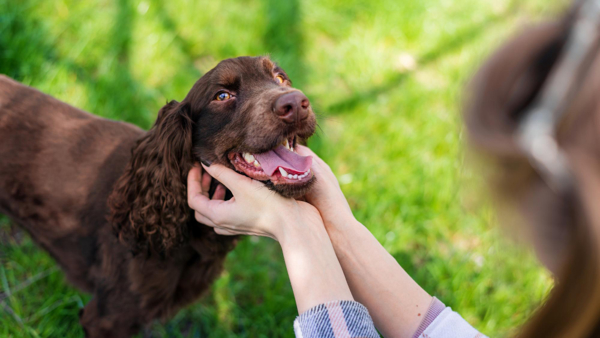
You can't ask your dog how they feel, but you can learn how and what to observe in order to spot potential health issues early. In addition to regular vet check-ups, this guide covers 10 key signs to help you become a proactive advocate for your pet's well-being.
10 Signs to Show Your Dog is Healthy
1. Shiny, Lustrous Coat: The First Window to Your Dog's Health
A healthy coat in a dog should be soft and glossy, not greasy. When you run your hand through it, there should be no interruptions to the smoothness – no bald patches, no scabs, no excessive dandruff. A high-quality coat is an indicator of good nutrition and wellness.
The coat of your dog is a direct reflection of their inner health. It shows how well they have been absorbing all the nutrients. The coat is a clear visual cue, as well, of how you are doing with their health and grooming, especially during seasonal changes.
2. Bright, Clear Eyes: Windows to Your Dog's Well-being
The eyes of a healthy dog should be reflective of clear brightness and shine without excessive tearing or colored discharge. They track together normally and respond to light and movement. Developing a daily eye check into your regular dog health checkups is simple to do and is an effective habit.
Any changes to your dog's eyes, such as cloudy eyes or yellow/green discharge, or anything in excess, like excessive blinking, squinting, or pawing at the eye, will require a vet visit. The small change in these areas should alert you to have a professional examination.
3. Consistent Energy Levels: Your Dog's Natural Vitality Meter
A healthy dog shows energy suitable to its age and breed. They are eager to go for walks every day and be outdoors playing and exercising. They should have an interest in playing with their favorite toys and games – a key sign of well-being.
Sudden apathy is the most concerning. If you suddenly notice your playful dog not wanting to do much of anything, it can be indicative of a possible health status that requires more than an initial check.
4. Healthy Appetite and Hydration: Fueling Your Dog's Body
A healthy dog has a consistent interest in their meals and reflects a healthy weight. Remember that hydration is just as important; they should be drinking regularly and have moist gums, plus light-colored urine.
Strong digestion is equally important to overall health. One clue that your dog is unhealthy is if the dog is throwing up frequently shortly after meals, which generally means the dog is not effectively absorbing nutrients.
5. Pink, Healthy Gums: Your Dog's Internal Health Barometer
Your dog's gums will give you a health indicator. They should be moist and bubblegum pink in color. When you press down on their gums, the color should return in less than two seconds. The simple gum test is a quick way to check their overall health and prevent dental disease in dogs.
Look for red flags of pale, white, or bright red gums, which signify a problem, among other things, to take note of, like excessive drooling, any bleeding, and bad breath every single day. All of this warrants a call to your veterinarian.
6. Clean Ears: Preventing Infections and Discomfort
A healthy ear is pale pink inside with little to no wax buildup. There shouldn't be any strong smells or odors. Your dog shouldn't scratch at their ears or shake their head for extended periods. Both ears should be relatively similar.
If your dog shakes or tilts its head a lot, this may be a sign of an ear infection. Other symptoms may be a lot of dark debris, redness, swelling, and malodorous yeast scents. Some breeds of dogs are more susceptible to ear problems than others.
7. Strong Posture and Easy Movement: Physical Fitness Indicators
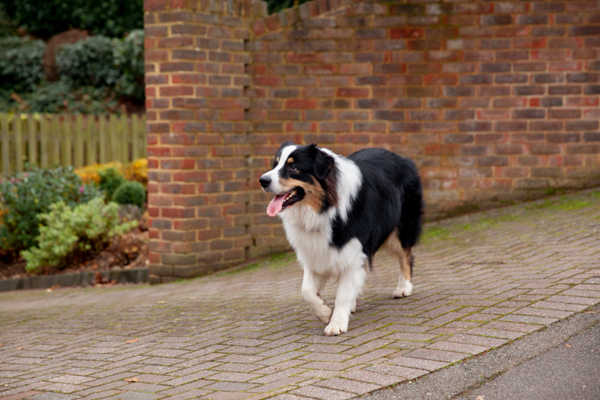
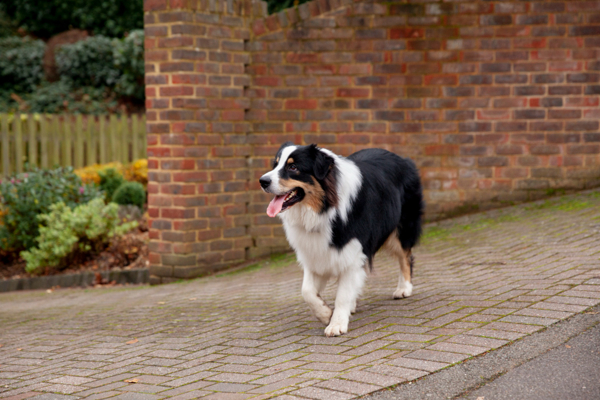
A healthy dog stands squarely on all four legs and shows a natural, balanced movement. You don't want the dog to have favoritism for one side. The dog should smoothly and comfortably move between transitions.
Limping, lameness, and stiffness are bad signs. When dogs show reluctance to exercise, struggle with stairs, and exhibit changes in their walking patterns, it is advisable to consider some treatment or evaluation.
8. Healthy Skin: The Foundation of Your Dog's Comfort
Healthy dog skin should be soft and supple, with no flakes, scabs, or growths. It also should be normal for social, coloration for the breed, and not too dry nor too oily. Be sure to check for fleas, ticks, or parasites that may produce skin issues.
Managing allergic skin issues is imperative. There are common causes of chronic itch. You should consider obvious signs, such as excessive scratching, hot spots, or areas of irritation, and always adapt care and management for respective seasonal changes.
9. Stable Mood and Behavior: Mental Health Matters
A healthy dog has a stable personality. They should react appropriately to normal, familiar situations and have predictable patterns of sleep. Your dog should also be social and a pleasant pet to be around, be responsive to your commands and training.
Sudden social aggression or avoidance of engagement is cause for concern. Excessive anxiousness, change in sleep cycles, and a decrease in interest in favorite things to do are also indicators of something being off. Trust your gut when your dog does not seem normal.
10. Normal Bathroom Habits: Gut Health Matters
A healthy dog will have a regular and predictable bathroom schedule. Pay close attention to their stools – they should be firm, well-formed, and easy to clean up after with a bag. A normal urination frequency without any straining or difficulty is another key indicator of good gut health.
It is important to monitor the consistency, color, and frequency of a dog's stool. These factors are important indicators of their digestive health. Significant shifts in your dog's bathroom habits would be a big red flag. Diarrhea for 24 hours or more, constipation, and blood in the stool or urine all indicate that immediate action is required.
Final Note: Creating a Weekly Health Check Routine
Dedicating a day and time every week gives you an opportunity to run a quick health check. Write a simple checklist to note the things you recognize. This will, over time, track patterns as well as valuable information for your vet.
Keep all this in mind, and more importantly, enjoy every moment with your dog, and continue to provide your love, care, and attention!


 Muhammad Saad

